Cultural placess - Delft Island
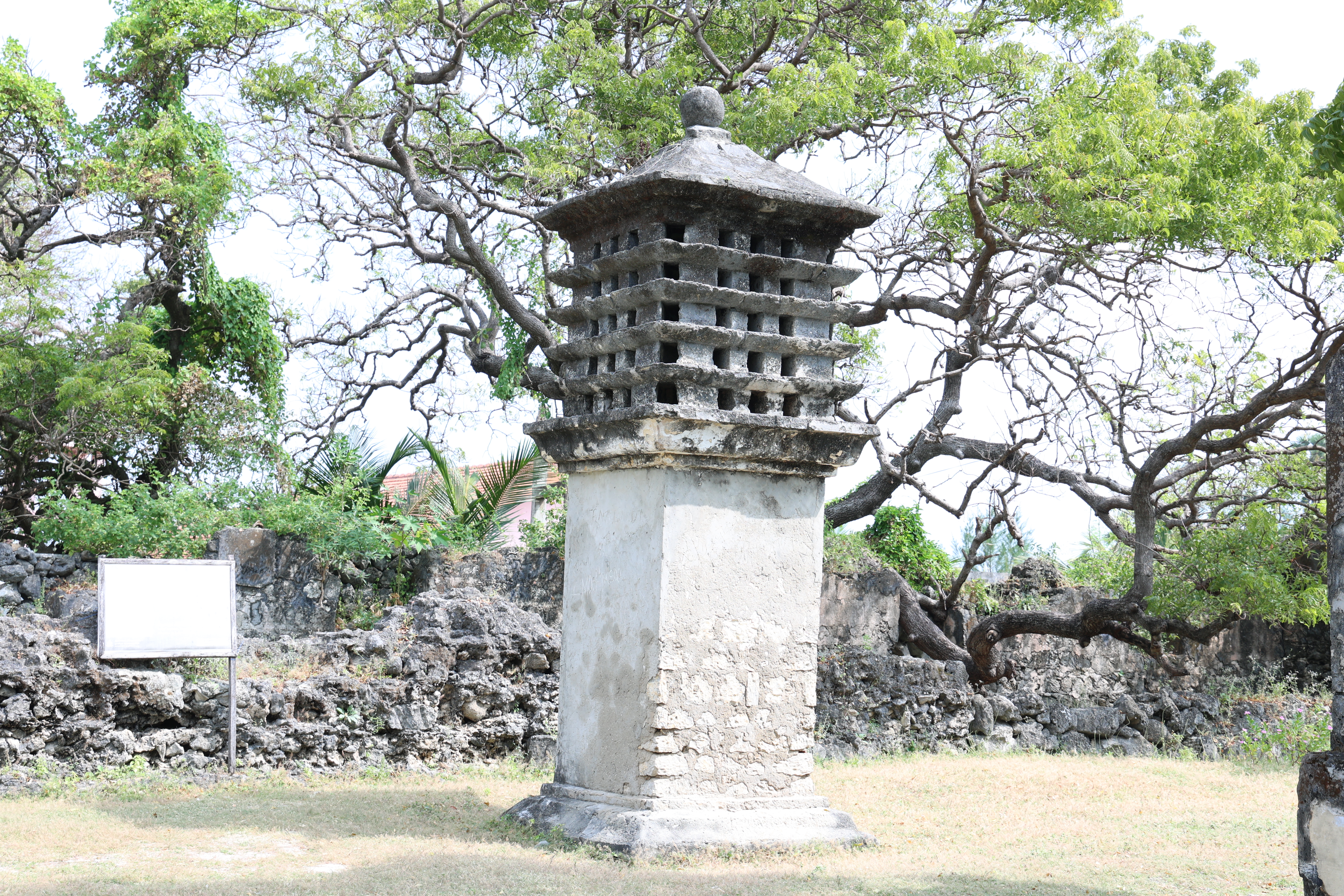
Pigeon`s Nest
( Monument )
Location : Delft Town
This Nest was built by the Dutch when they ruled in Sri Lanka. The historical books say that those pigeons were used as Messengers. It is a tower made out of the coral rocks with a solid base about eight feet square, up to a height of fifteen feet, surmounted by a Cage-House of five storeys of same floor space and rising to a height of thirty feet at the apex of the roof. It has been used to rest and keep the pigeons which were used to send messages during the Dutch era.


Dutch Fort / Meekaman Fort
( Monument )
Location : Delft Town
The Dutch Fort/Meekaman Fort is situated in the Western part of Delft,3km from the jetty. which was also used as a prison, has very small rooms and 2 ½ feet thick walls. The stairs run in the double walls lead out on to what must have been a flat roof, judging from the marks of the rafter sockets in the masonry. It is a very strongly fortified two-storied dwelling, with a double center wall of immense thickness. This is the coral stone wall around the barracks with a radius of about 200 yards. Two tunnels, adjacent to the barracks are in dilapidated condition. One of the barrack room is still intact, although part of the wall has fallen almost to the ground. Within the barrack premises was a fine large residency which was used as the Government Bungalow during British period. It is believed among the local people that this fort was belongs to the legend, Tamil King “Meegaman” who was from trade group, involved in the oversea trading and he ruled the Delft Island.
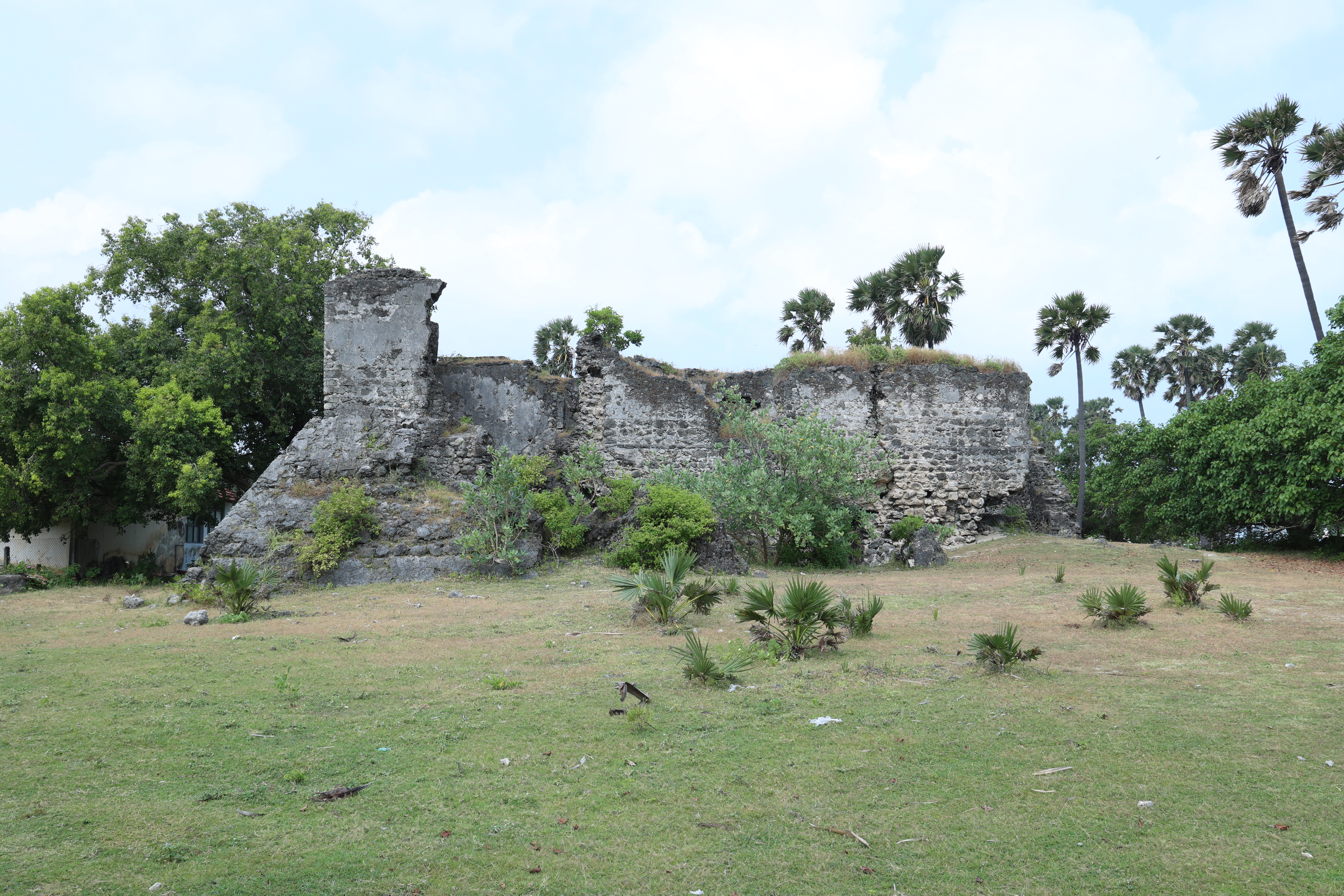
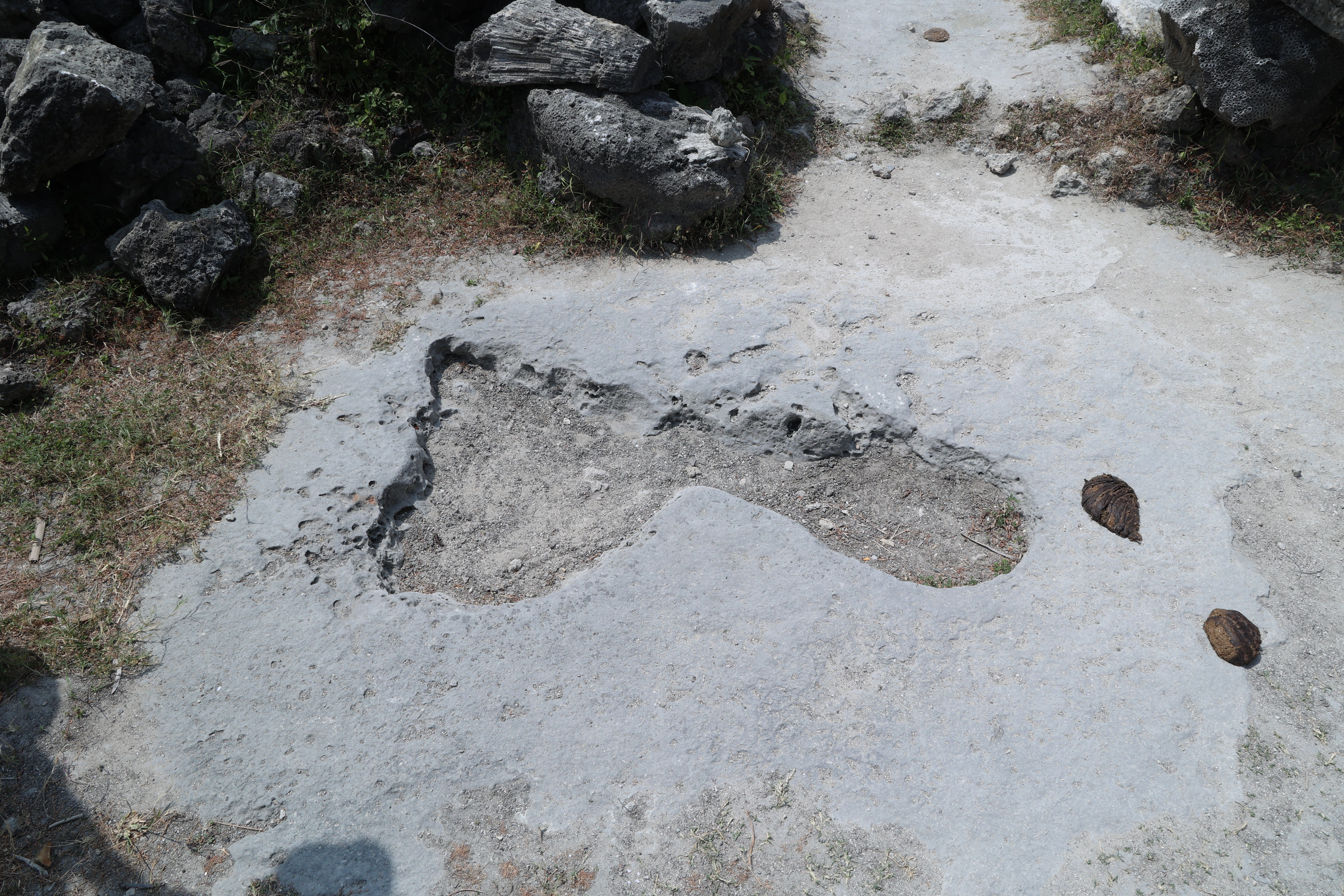
Footprint shaped limestone outcrop feature
( Limestone Feature )
Location : Delft West
Limestone outcrop feature is found in the Sarapiddy area, Delft West. According to the folklore, it is believed among the local people that it was a foot of Load, Aanyaneyar. This is a limestone outcrop features, exposed of Miocene limestone resulting from eroded overtime by weathering and other geological process. Generally, outcrops can occur in various shapes and sizes, often revealing unique patterns and textures. This outcrop is interesting feature, looks like a human foot shape due to chemical weathering which resembles a very large footprint of almost a meter long (40feet). Visitors often gather here to witness this natural landscape.
Horses Stable
( Monument )
Location : Delft West
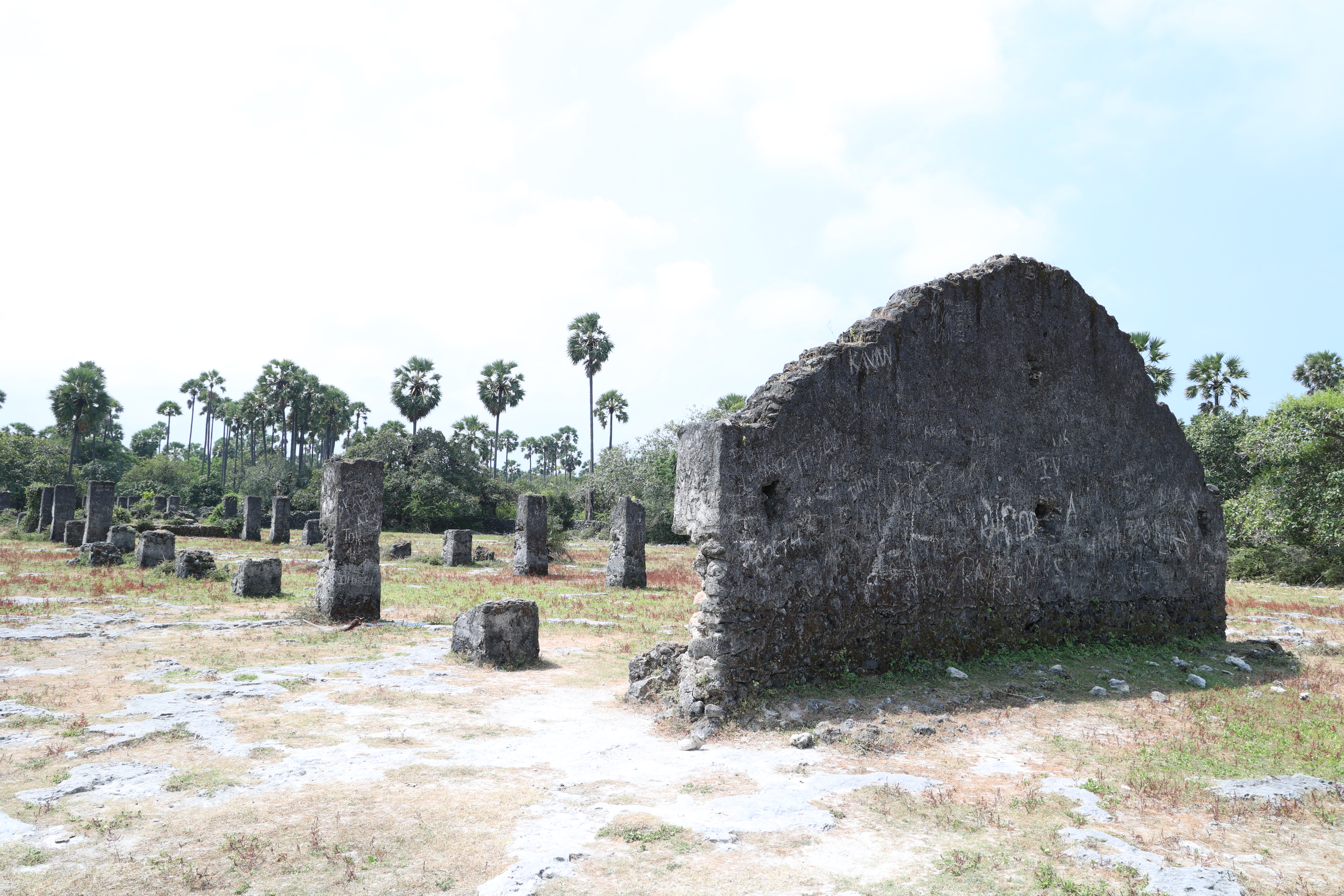
The place, considered as Horse stable is situated western part of Delft Island and few meters from the footprint shaped limestone outcrop feature. This is an interesting place where horses are tied. British records speaks about the stables which was used for these horses at Delft Center,Delft East and West. These stables were established to keep and train the horses, during the period of British official, Nolon, in the 19th century A.D. Many pillars were built with coral stones. The climatic conditions of the Island was convenient for the rearing of horses. The pillars were constructed for tethering the horse. Today there remains only the wall at the end of the building and several pillars.

Vediyarasan Fort
( Monument )
Location : Delft West
Vediyarasan Fort is situated in the Koddaikadu area in the West of Island, near to the present hospital. According to the folklore, It is believed that this Fort was built by a Tamil King named Vediyarasan who ruled Delft. It is said that he was belonging to “Trade group” who had involved in overseas trading before colonial period. It is believed that Ponds, fort, canals temples had been constructed during his period. This fort has small square room with a floor below the ground level without any door and has small window with 2 feet square. There is one large room which has appearance of a mess-room and large number of small sleeping rooms connected by corridors. It was believed that part of this fort was used for retaining of prisoners. Local people believed that all ancient temples, forts, tanks, and channels had been built during the king Vediyarasan’s period. Portuguese and Dutch records conformed the Vediyarasan’s ruling. The architecture and shape of this fort are different from Dutch architectural patterns. - The ruins only exists now. Currently declared as a Buddhist temple by the Government of Sri Lanka.
Growing Stone
( Limestone features )
Location : Delft East
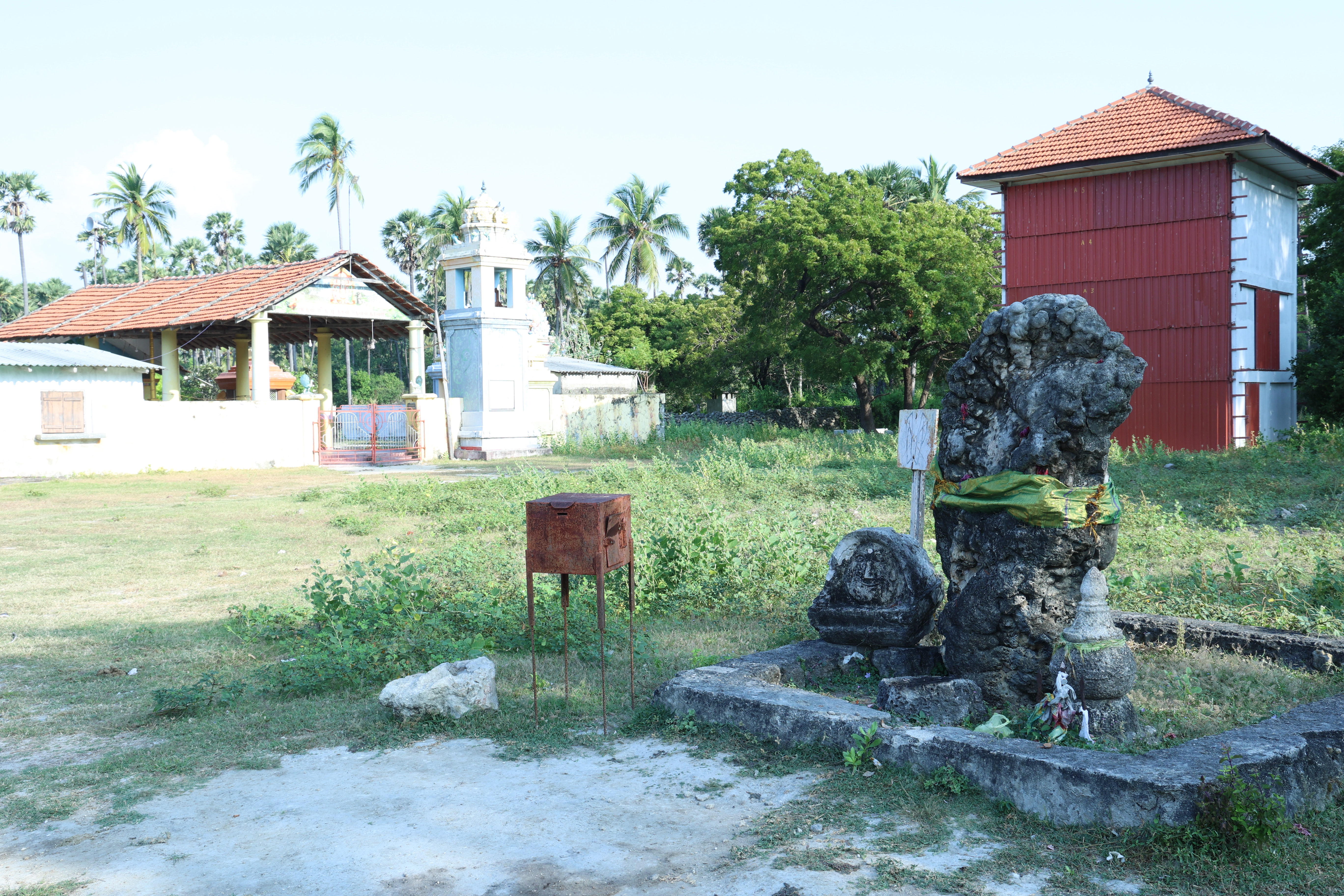
This is a limestone outcrop feature, called as “Growing stone” by Local community of Delft Island. Local Hindu People believe that it keeps growing and they worship it, believing it and has some connections to the gods “Nakathampiran”( Lord Shiva with Cobra head). It is exposed of Miocene limestone resulting from eroded overtime by weathering and other geological process. Generally, outcrops can occur in various shapes and sizes, often revealing unique patterns and textures. It is different from the others in its shape. It is 3-4 feet tall and stands vertically. The shape of stone is like a head of Cobra..
Baobab Tree
( Exotic Plant )
Location : Delf West
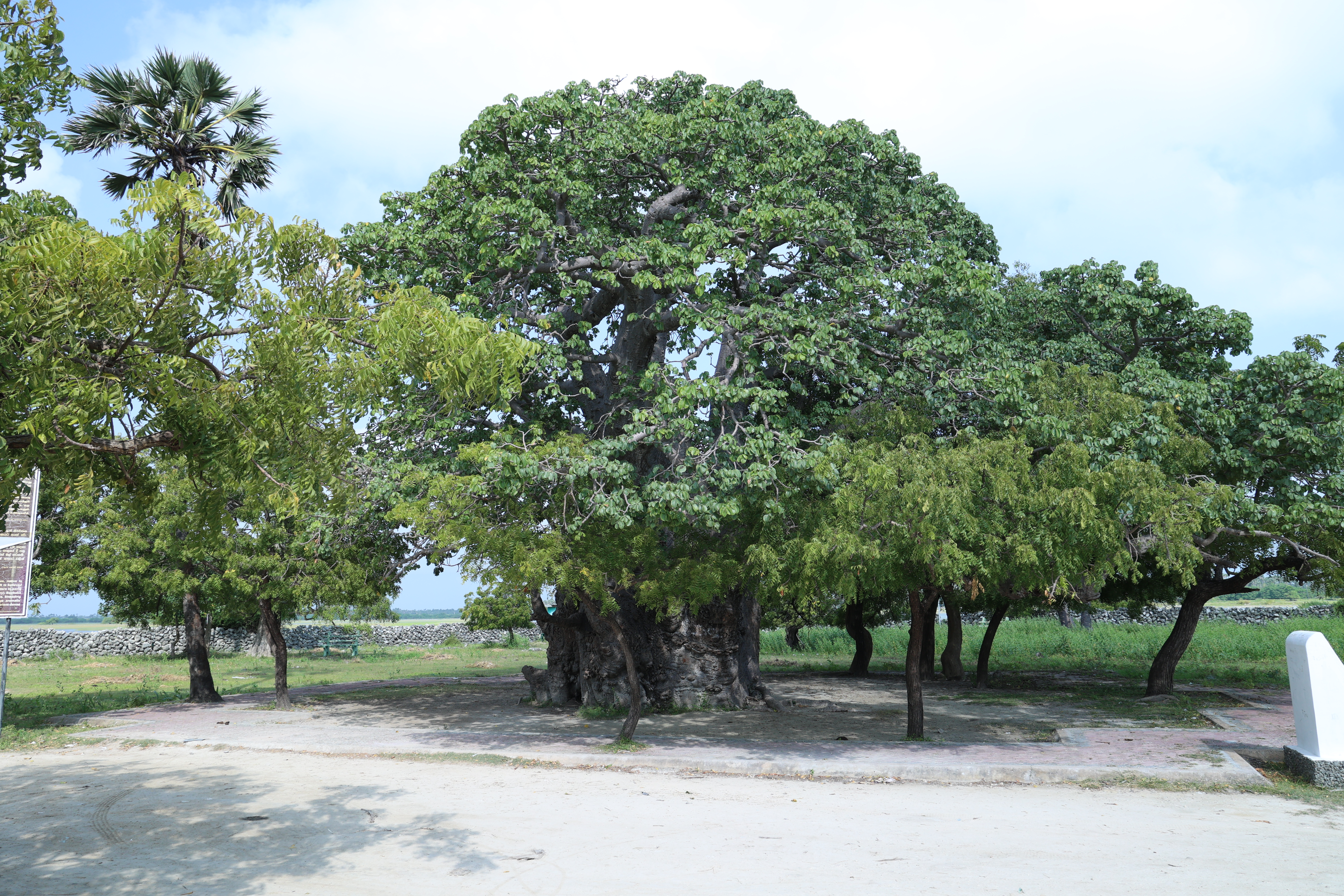
This tree is found in the Delft East, about 2 km, South-West of Jetty. The baobab tree is an introduced species, it is being protected in Sri Lanka given its rarity and antiquity. It is believed that this tree has been brought to Sri Lanka by Arabian Traders. There are over 40 Baobab trees are surviving in Sri Lanka, two species are found in Jaffna District, one among them, is found in Delft and other one is found in Pungudutivu. A unique feature is this tree is that there is a hole where three fully grown adults can go in It is evaluated that most of Baobab trees are to be 300-400 years old. It is native to Africa, Madagascar, and Australia. This tree in Sri Lanka is called as Elephant tree because its shape is like a trunk and generally referred as bottle tree and monkey bread tree.It is called in Tamil as “Perukka Maram”.
Aalamavanam (Banyan /Banian)
( Ficus benghalensis - Native plant )
Location : Delf East
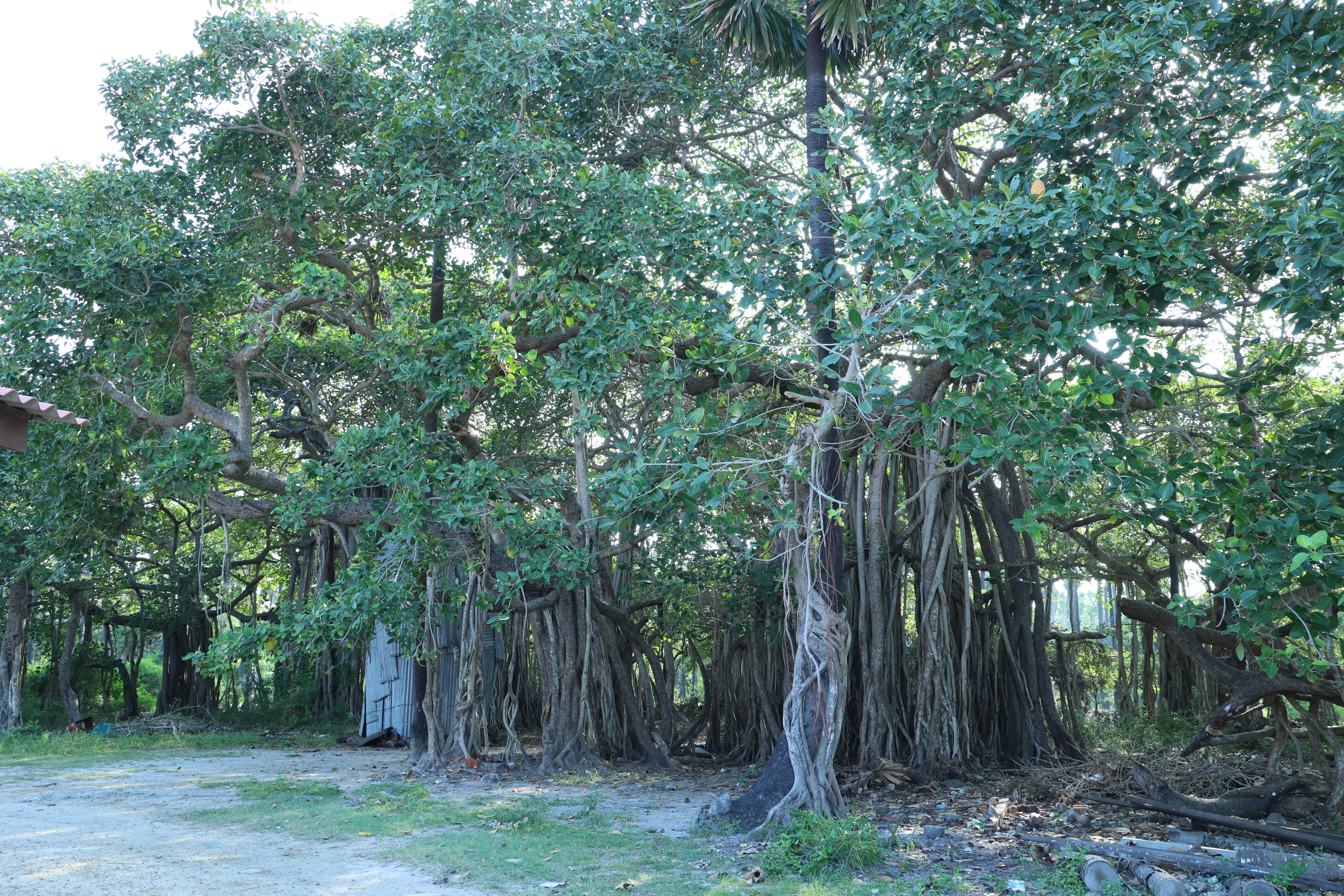
This tree is found near to Alamavanam Pillaiyar Temple, Delft East. It is a native and an ornamental plant, shade tree and its bark is used for medicinal purposes. The Banyan tree is an evergreen which grows to a height of approx. 25 m and has a wide canopy which is supported by roots descending from its branches. This tree near to the temple covers large area and provide shade for people. These trees send down roots from their branches, which enter the ground and form trunks, thus extending the growth of the tree almost exponentially. The roots coming out of the branches are at first slender and thread-like. This tree is called in Tamil as ‘Aala Maram’ and the area is also called as Alamavanam based on this trees.
Horses habitat
( Natural habitat )
Location : Delf Center
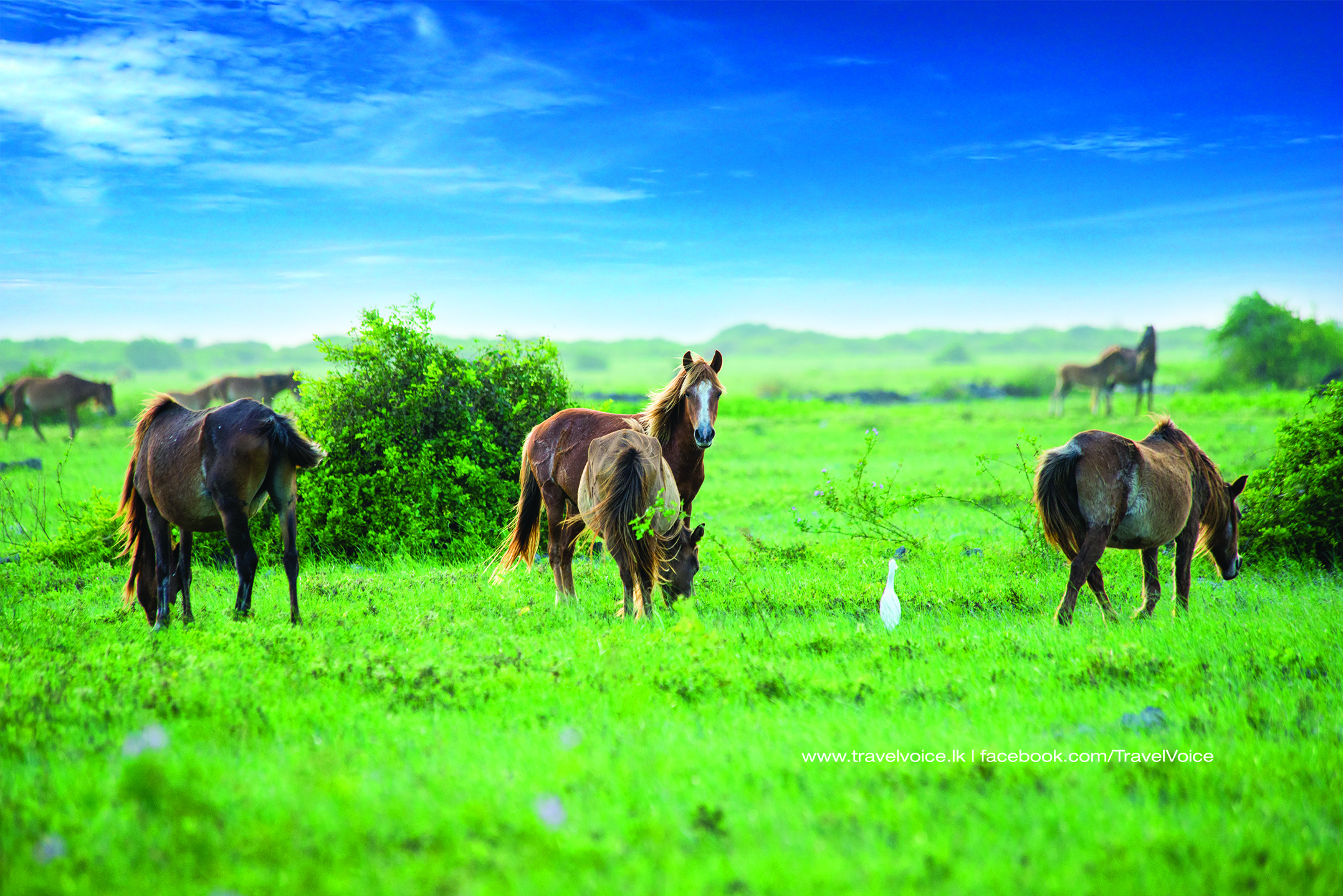
The wild ponies are natural heritage of Delft Island. They are mostly found in the East, and Western part of the Island. It is said that these ponies were introduced to the island originally by the Portuguese. In 1672, Philip Baldeus visited Delft Island, and observed that “these horses that were brought into the Delft, which, multiplying in time. US Ambassador Crowe (1954) observed “the stallions appeared to be better types than the mares, and no new blood has been introduced since the British period by Lt. Nolan in 1824.These horses are forbidden by law to leave the island. It is said that come from a breeding stock maintained from Chola and Portuguese times. The Dutch and the English who are reported to have been breeding them quite successfully on the island. These horses are the only wild horses found in South Asia
Branching Palms
( Exotic Plant )
Location : Delf East
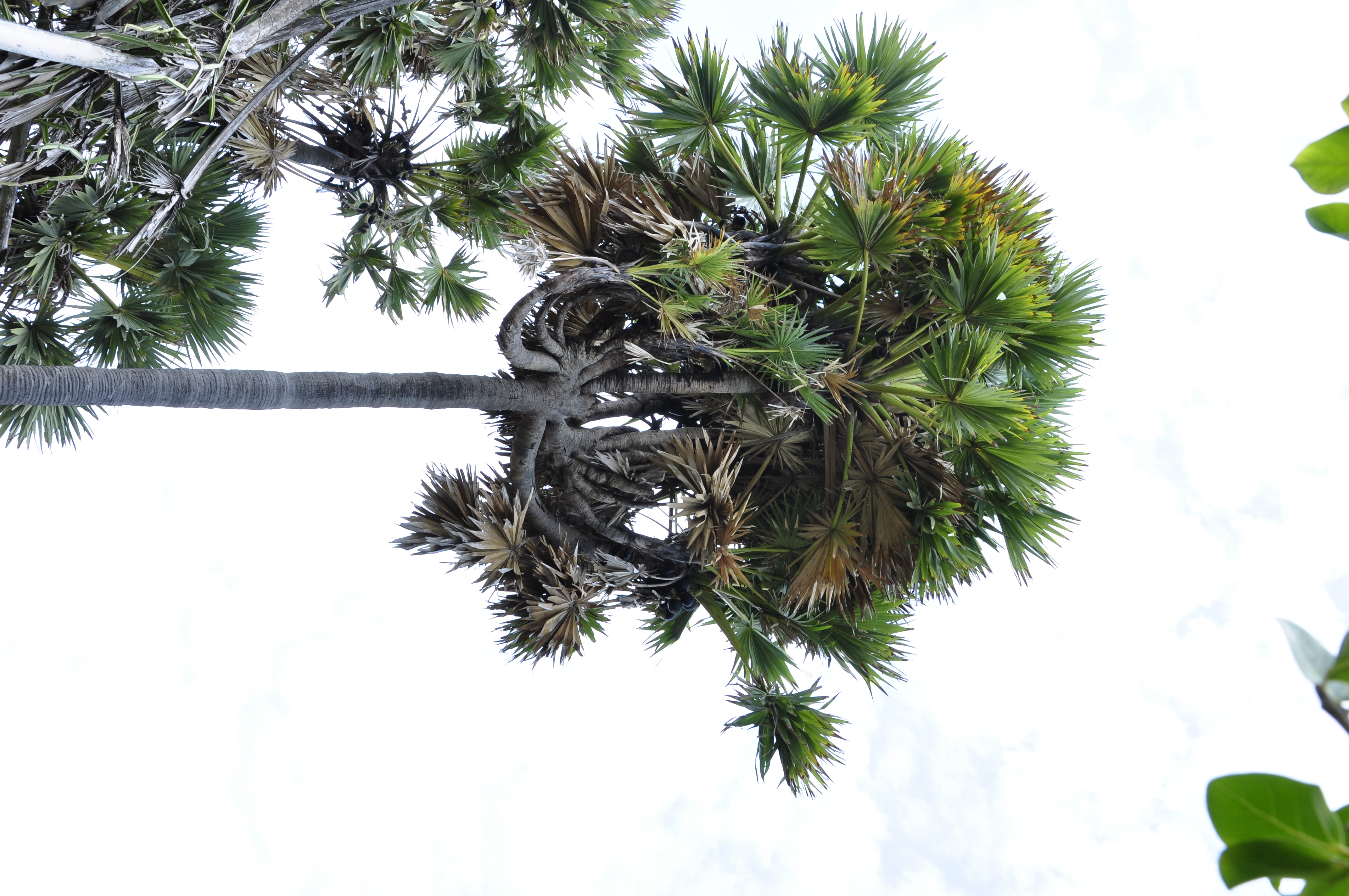
This palm is situated in Western Part of Delft. 0Palm trees are characterized by having un-branched stems. Among the species of Palm family (Arecaceae), the Hyphaene genus has branched stems. This is very abnormal and a very rare occurrence in Palm family. Doum palm or Gingerbread tree, botanically known as Hyphaene dichotoma is a close relative of Palmyra palm. They are exotic plants having edible oval fruit which are red orange in color and tastes like gingerbread. It is believed that Gingerbread trees were brought into Sri Lanka by Portuguese during the colonial period. It is one of the palms among the three found in the Jaffna District.
Queen`s Tower - Obelisks
( Monument )
Location : Delf South
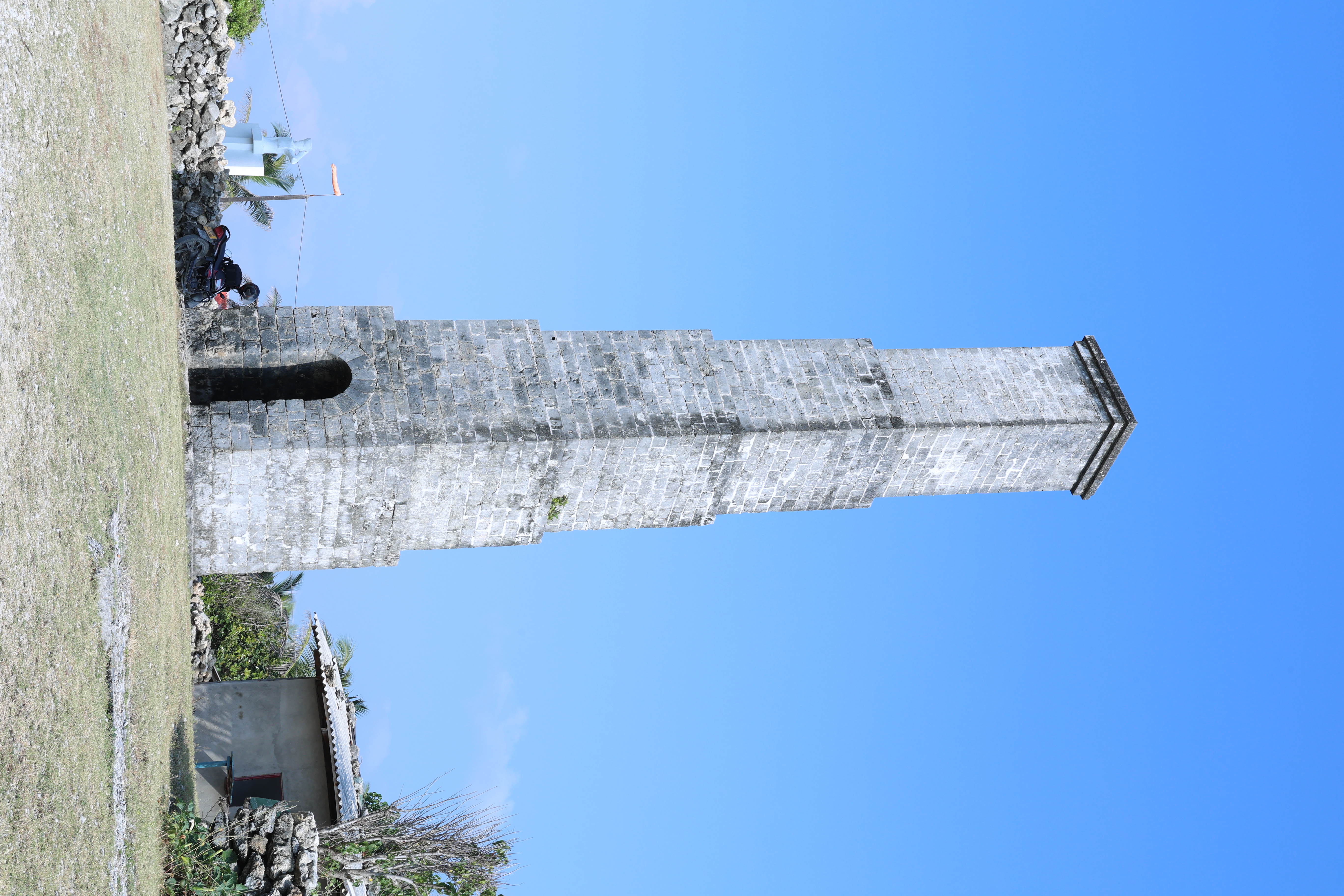
This tower is obelisk, called as Queen`s tower and `Kuvinthavaddy` by local people of Delft Island. It is situated at south-East corner of the Delft. It is believed that it was constructed during the Dutch period. This tower served as a navigational landmark. The tower is believed to have been covered with a reflective surface which could be seen from far at sea. There is a low central chimney-like shaft which creates a vacuum forcing air upwards.
Old Dutch Hospital
( Monument )
Location : Delf Center
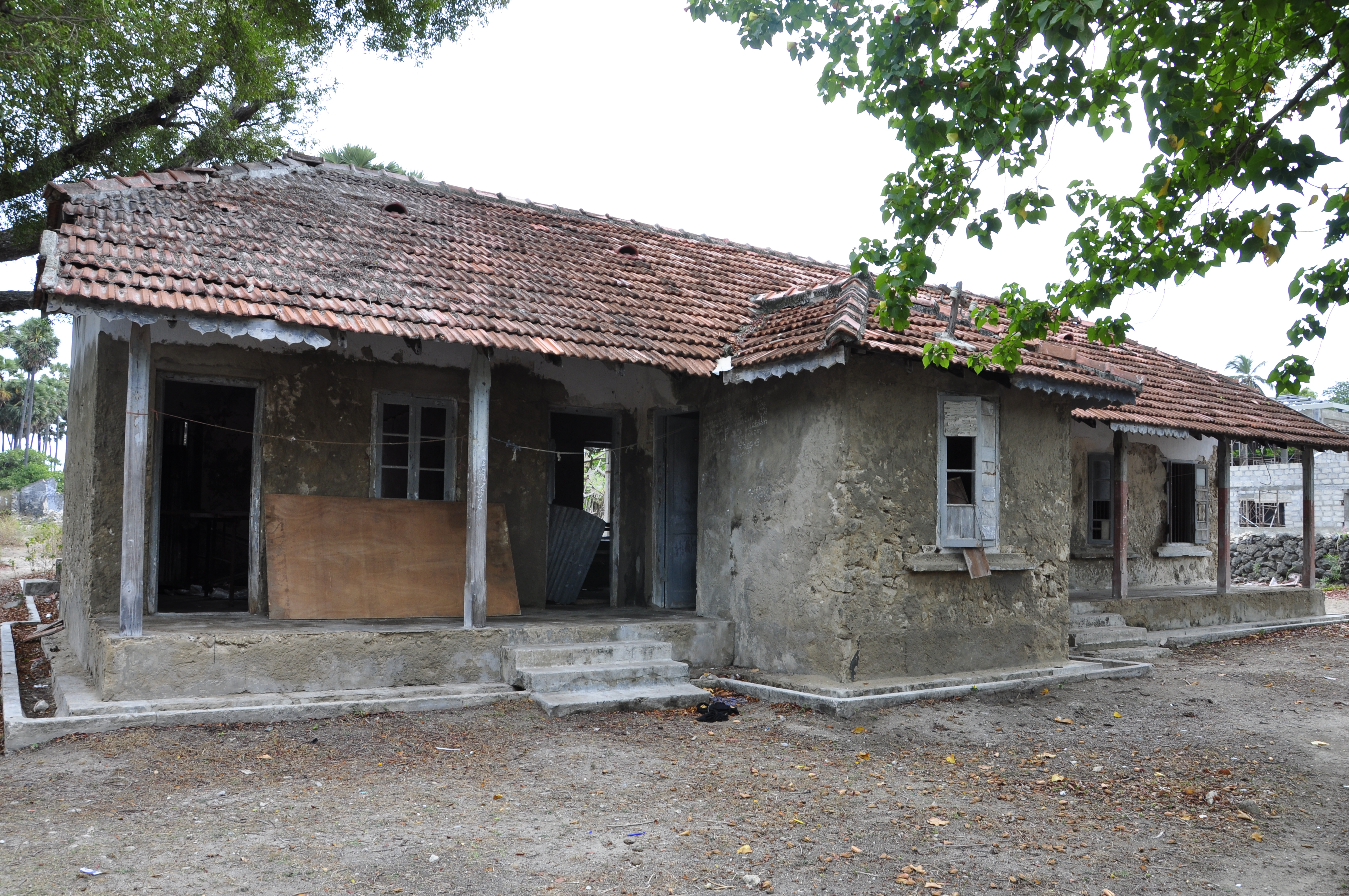
The Dutch hospital is situated near the Divisional Secretariat. It is said that this hospital was built by Dutch The front of the building has room and a verandah. After the British invaded the country and took over the land from the Dutch, they have used this building as an administrative building during their time on the Delft Island. The tiles of this building have been imported from Bangalore, India and bears the year 1865. Currently this building has been renovated. It has been proclaimed as monument by Department of Archelogy.
Ancient Rural court
( Monument )
Location : Delf Town
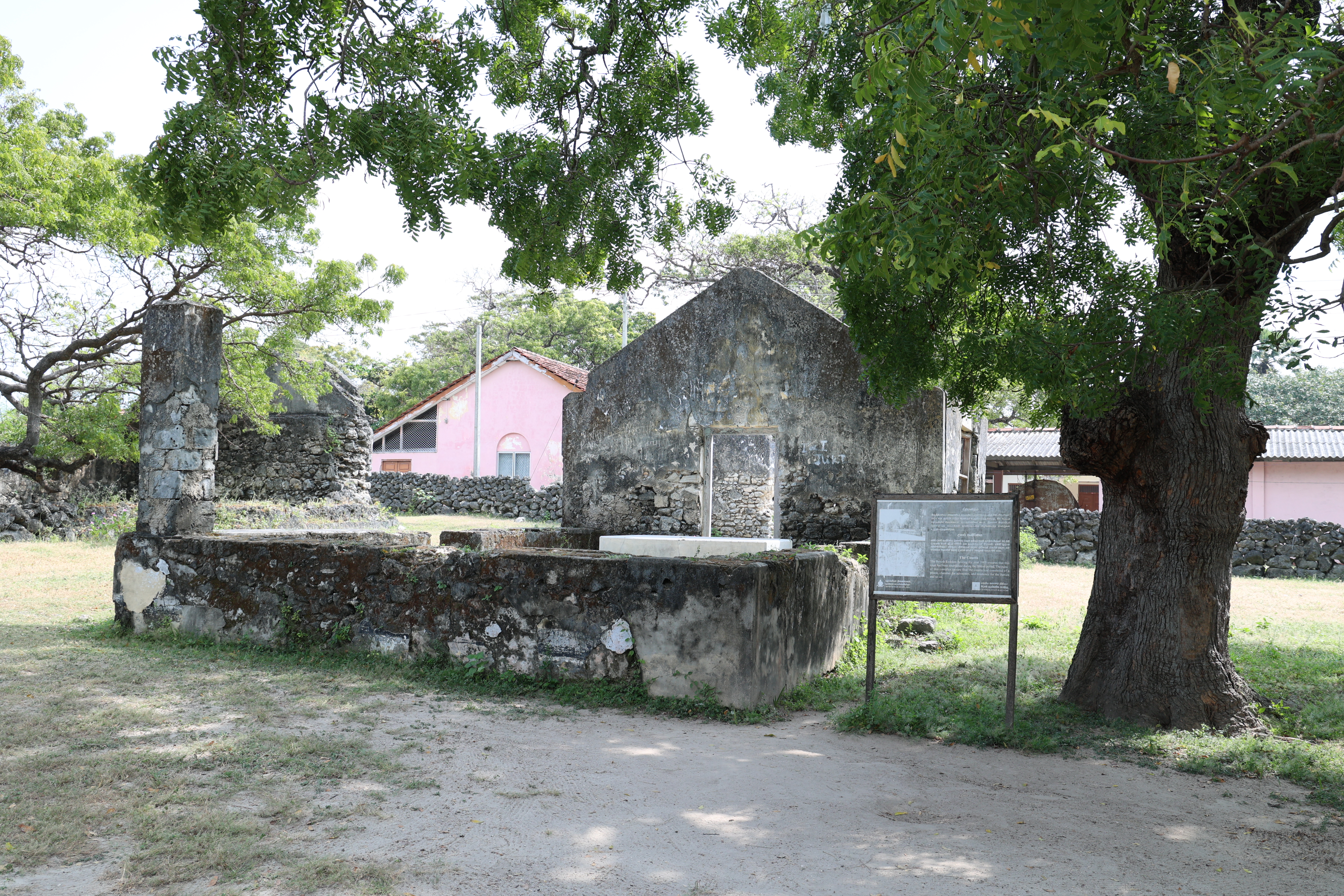
The ancient rural court is situated near to Divisional Secretariat, Delft. There are three monuments such as Pigeon`s Nest, Dutch hospital, and this court in the land premises. This building was built in 1905 during the colonial period of the British and used as rural court. All cases were inquired earlier, and the same practices were continued even after 1948. According to the evidence, the ruins of the complex ensure that the court had consisted of a prison, chamber for the advocates, residence for justice. This building was destroyed later due to civil unrest. It has been renovated recently by the Department of Archeology.
Medical Pond(Maruthuvakerny)
( Monument )
Location : Delf East
Medical Pond is situated in Alamavanam. in the eastern part of Delft. This pond was used by the Dutch for the purpose of medical treatment of the Horse.

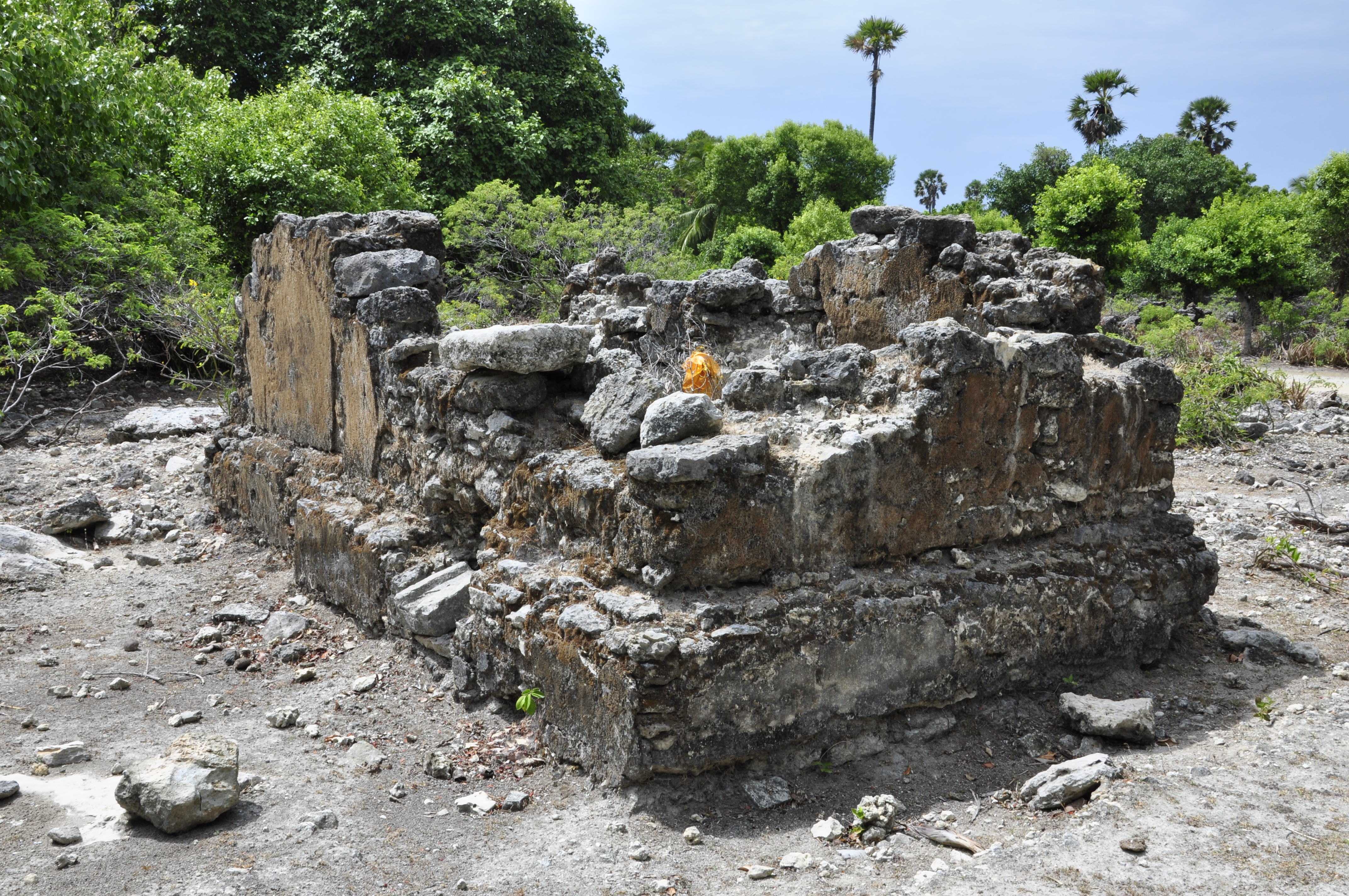
The Ruins of Ancient Chola Hindu Temple
( Monument )
Location : Delf East
This is an ancient Hindu temple, situated at place know as “Pukkatu”. After the survey in 2010, It was found that the evidences for ancient Hindu temple.This temple was 40 feet and was built with coral stones which are freely available in the area. The “Katpakkirakam & “Antaralam” were found as ruins with 5 feet long && wide respectively. The coins belonging to Jaffna Kingdom, Cola and Pantiya period were found. It reveals that there was a commercial & cultural tie between South India to Sri Lanka took place through the Delft in the medieval period. It is locally believed that it was constructed in the Cola period.
Delft Beach
( Beach )
Location : Delf Center
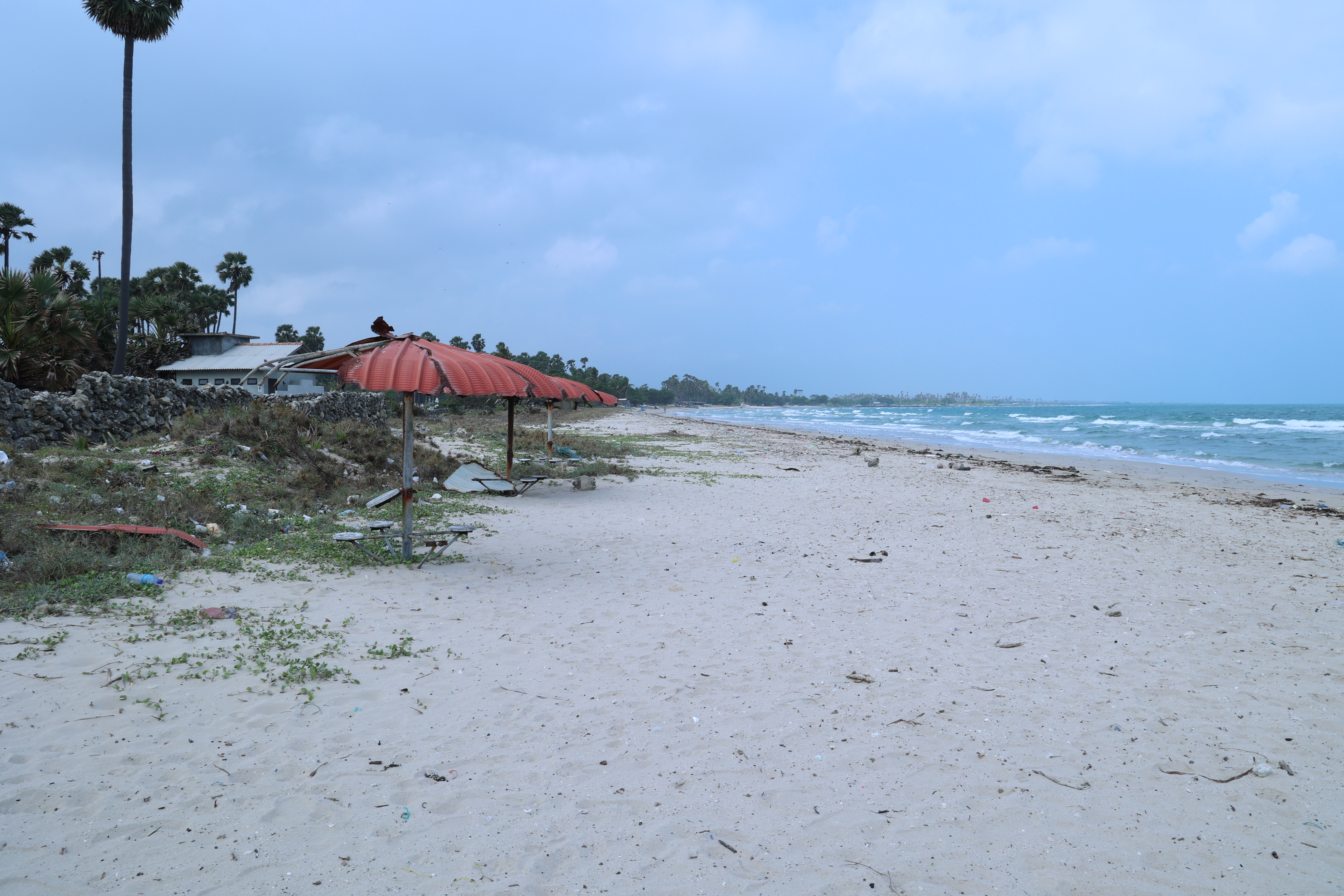
Delft beach is situated near Divisional Secretariat. It is a white sandy blue beach and part of Natural Heritage in Delft Island. The seaside is covered by white sands which gives pleasuring minds to tourists and attractive them. Recreational boating facilities are available This beach is suitable for swimming and beach side activities.
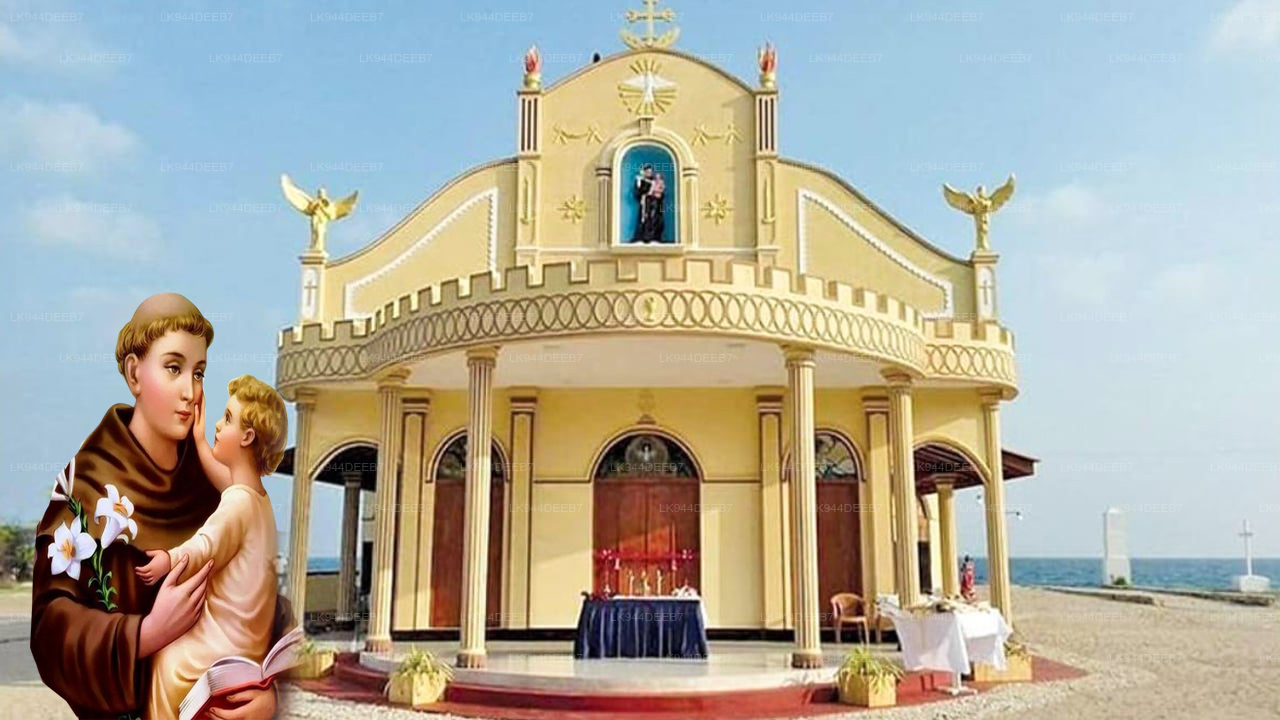
Kachchativu St.Anthony`s Church
( Religious place )
Location : Kachchativu
Kachchativu is a uninhabited Island administered by Divisional Secretariat, Delft . The Island originated from a volcanic eruption that occurred in the 14th century, the island was originally owned by the Ramanad Kingdom of Ramanathapuram District (Tami Naddu) before Indian independence. In 1974 India recognized Sri Lankan ownership of the island on a conditional agreement. It has a Catholic shrine and has been declared a sacred area by the Government of Sri Lanka. St.Anthony`s Catholic Shrine. Antony`s shrine is one of a kind which shares the borders of both countries India and Sri Lanka and declared holy place by Sri Lankan Government.