Cultural placess - Vaedamarachy Region
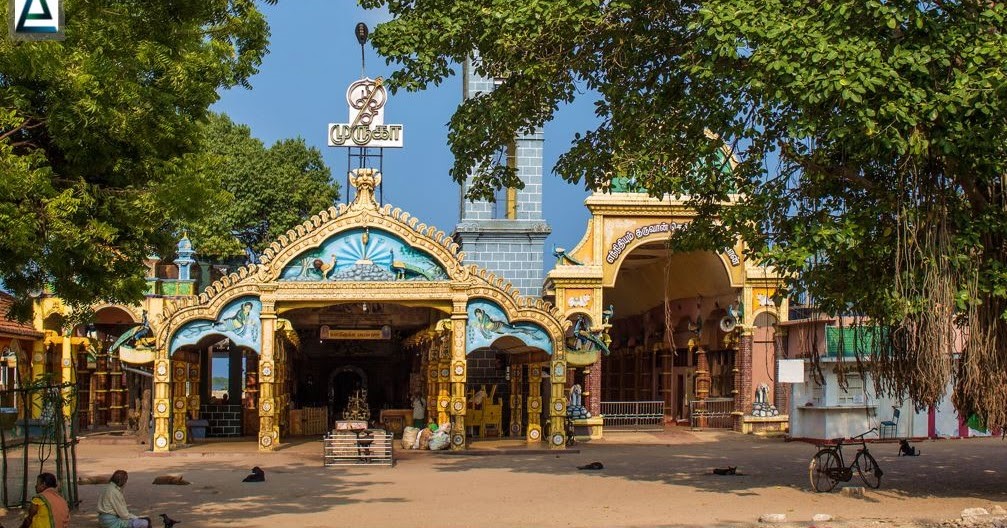
Selva Sannithy Murugan Temple
( Religious place )
Location : Thondamanaru
Selva Sannithy Murugan Temple is one of the Hindu temples and situated in Thondaimanaru. The prime deity is Lord Murugan. This temple is considered as Sella Kadirkamam of North. This temple is situated very closed the Thondamanaru lagoon. The Lord Murugan`s vel was placed in the Moolasthanam or sanctum sanctorum. The Annual High festivals are celebrated for fifteen days terminate on the full moon day of the Hindu month of August. Poojas are being conducted based on the non - agamic system. There are a lot of Matams (Places) where many helpless elders are living. Foods are being provided for them. This temple is called as “Annathana kanthan”, because of charity works. This temple is most popular for its simplicity and pureness.


Kerudavil Limestone cave
( Limestone Feature )
Location : Kerudavil
It is a Limestone karst feature, situated in “Mandapakaadu” small village of Kerudavil near to Thondamanaru. This cave is called as “Mandapakaadu Kugai” by local people. It`s an underground cave formed by erosion of limestone due to Chemical weathering. Caves often develop stunning features such as stalactites, stalagmites, and columns. The formation of these structures is the reverse of the dissolution of the calcium carbonate with acidic rainwater. This underground structure has entrances on four sides and spreads out for few meters. There are number of similar halls like these structures in the sub – terrain surface of this area. The storm water is discharged to sea through this cave because, it is situated 500m from the deep sea. According to the folk lore, it is said that Tamil kings used this cave for their security purposes during war with Portuguese when they try to capture the Jaffna.
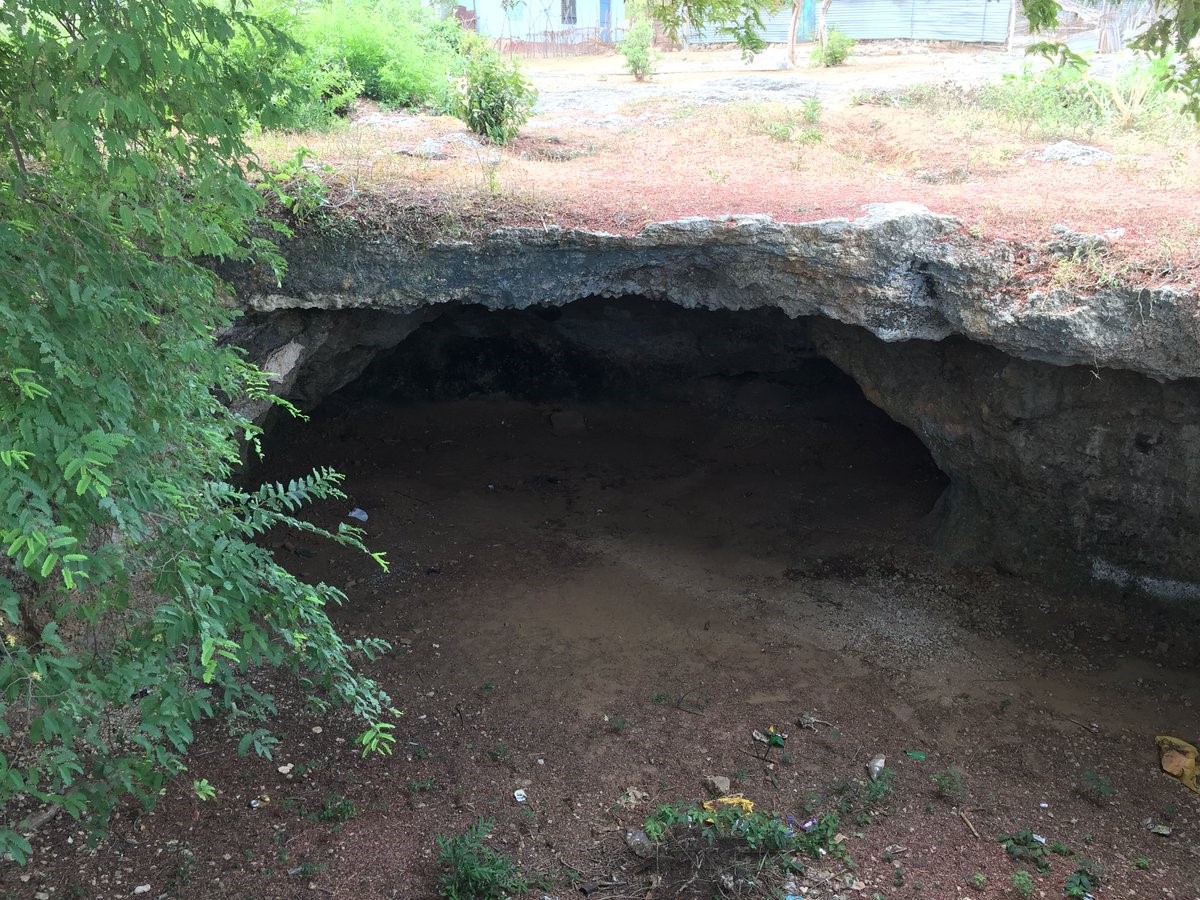

Hole Water Well -Sinkhole
( Geological Feature )
Location : Thondamanaru
This is a tidal well situated near to Thondaimanaru Veerakathipillai Maha Vidhyalayam. It is believed that that it was naturally formed due to a huge thunderbolt that heavily struck the area and created this deep strange well but geologically it is a sinkhole, It is formed through the chemical erosion of carbonate rocks, as well as processes of collapse or suffusion. It is cylinders shaped sinkhole.This well is used by National Water Supply and Drainage Board of Sri Lanka for supply of drinking water to the residents of urban council area of Valvettiturai and the village of Polikandy. Averagely about 45000 liters of water is extracted out from this well daily but never goes down from its surface level. It is one of the naturally formed well like a Nilavarai well- sinkhole.
Valvai Sri Muththumari Amman Temple
( Religious place )
Location : Valvattithurai
Valvettithurai Sri Muthumari Amman Temple is situated in Valvattithurai ,500away from Valvettithurai Junction, along the Jaffna Ponnalai PonitPedro Road. The prime deity is goddess Muththumari Amman. Temple is said to have been built or restored during the period of the festival of Hinduism, about in the year 1795. According to the story, an old lady was from Koodikarai , South India who demanded to go to Valvattithurai side from boatman and finally arrived at the place and then disappeared. The folk in the area adore the thus of Muthumari Ammnan from India to dwell in the midst. This story was carved and drawn in the inside of wall in the Temple.Annual festival fall on April, it lasts for 15 days where ,chariot festival is water cutting( Theerththam), In this day, a popular festival called as “Inthira Vizha” is conducted & celebrated by Valvattithurai community. During this day Goddess Amman always is taken to Nediyakkadu temple.Many traditional drums and dances performed to welcome the Goddess and whole areas are decorated with lights. Mamy musical programmes are arranged. Thousands of devotees come to enjoy this event.
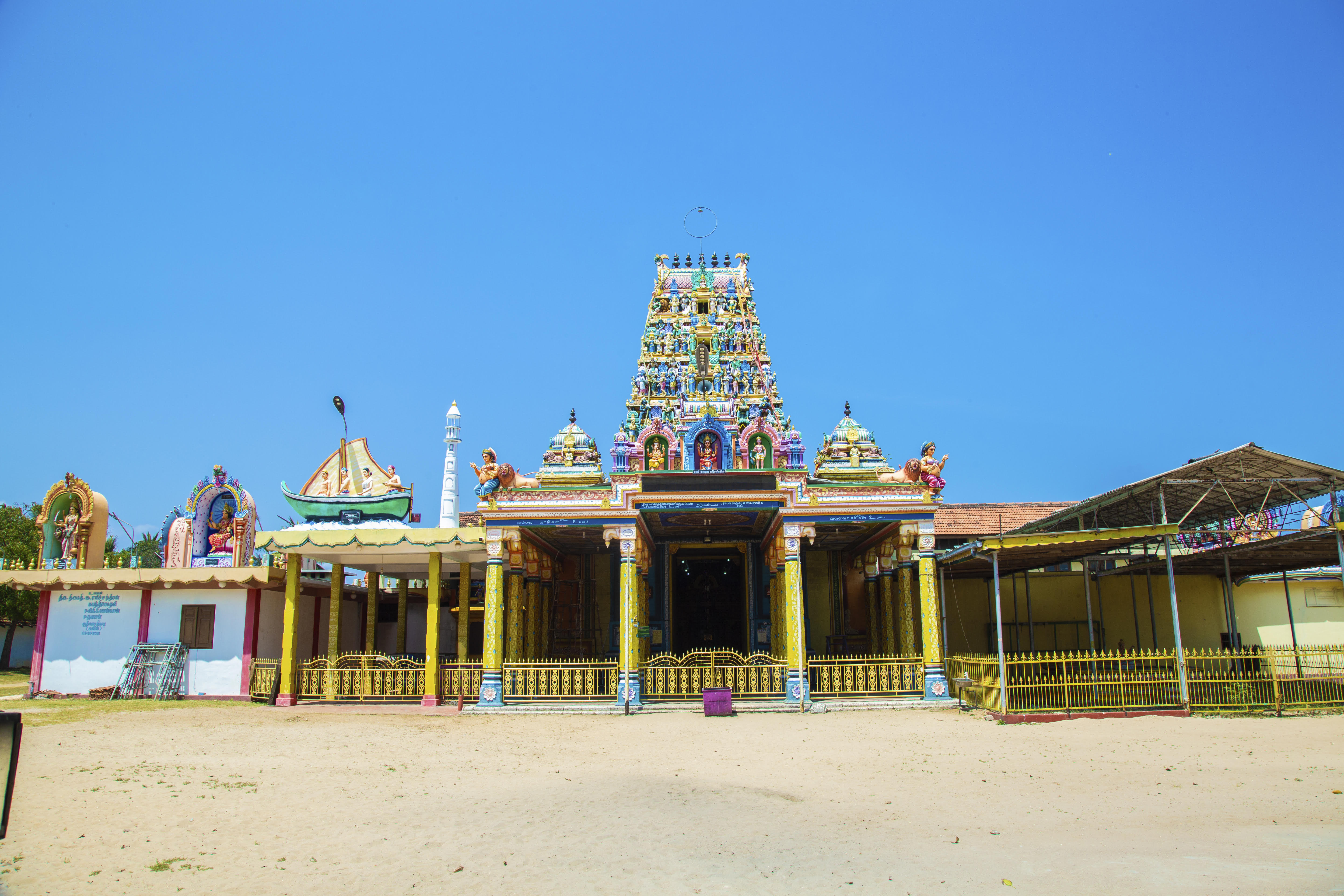
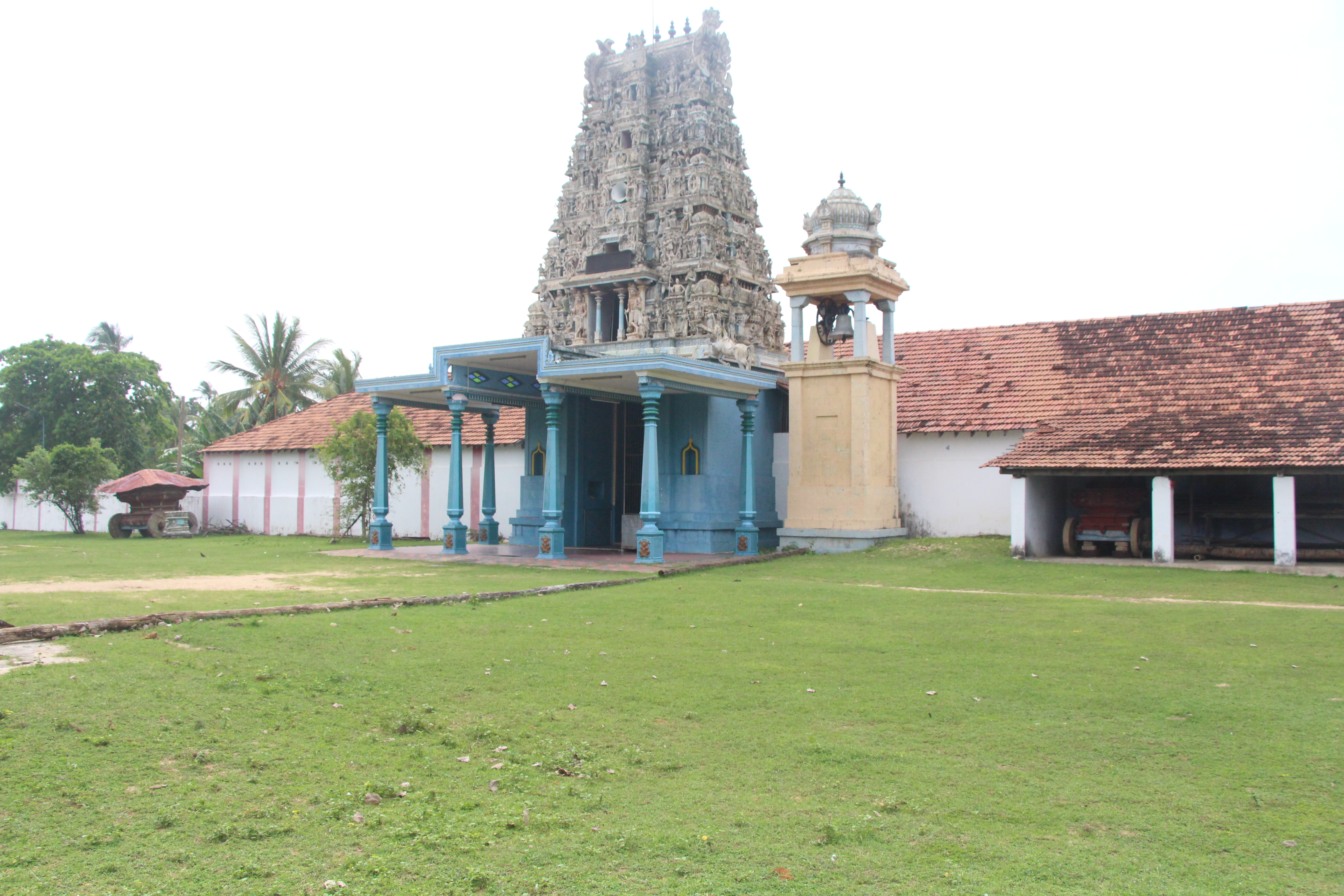
Valvai Vaiththeeswarar Temple
( Religious place )
Location : Valvattithurai
Valvai Vaiththeswarar Temple is situated in Valvattithurai, 500 away from Valvettithurai Junction, along the Jaffna Ponnalai PonitPedro Road. The prime deity is Lord Shiva which called Vaiththiswarar. It is a very old Lord Shiva temple. The Lingam called as Pannalingam was brought from Benares (Kaasi) in the North India together with the idols of Lord Nadarajar and Lord Santhirasegar were duly installed and conducted “Kumbabhisegam ” in 08.06.1883. Recently, “Kumbabhisegam” was conducted in 2004 after Balasthanam in 2003. The annual festival falls on March/April. Among the Annual Festival, “Oodal Festival” is celebrated. There is a believed that young people pray for their marriage on this day. For the final day of water cutting festival, Lord Shiva together with Goddess Parvathi are taken to Oorani seafront in Vallvattithurai
The springs of oorani (Valvettiturai)
( Limestone Feature )
Location : Valvattithurai
It is a natural freshwater spring which is situated on the seaside of Point Pedro Ponnalai Road and in front of the Oorani hospital in Polikandy. It is 8km from Poinpedro Town.The side wall of spring was constructed by cement wall which prevent the sea water movement to this springs. Local people use this spring for their swimming purpose. It`s indeed joyous to watch the water springing out of the surface during the rainy days. People of the locality believe that the spring water has the miraculous property of healing skin aliments and rheumatic complaints and people suffering from such diseases do have regular bath in this amazing spring water.


North Extreme Point
( Geomorphological Feature )
Location : Point Pedro,Sakkoddai
This point is situated in the Sakkoddai Cape, Point Pedro. Geographically when we are crossing country vertically, southern point is situated in Dondra near to Matara and North point is situated in PoinPedro. There is 432 km between both points. It is a landmark for tourists. The sign board was constructed in seaside and it is a rocky coast. We can realize the physical boundary of Sri Lanka and India`s southern coast.
Point Pedro Light House
( Monument/Historical building )
Location : Point Pedro
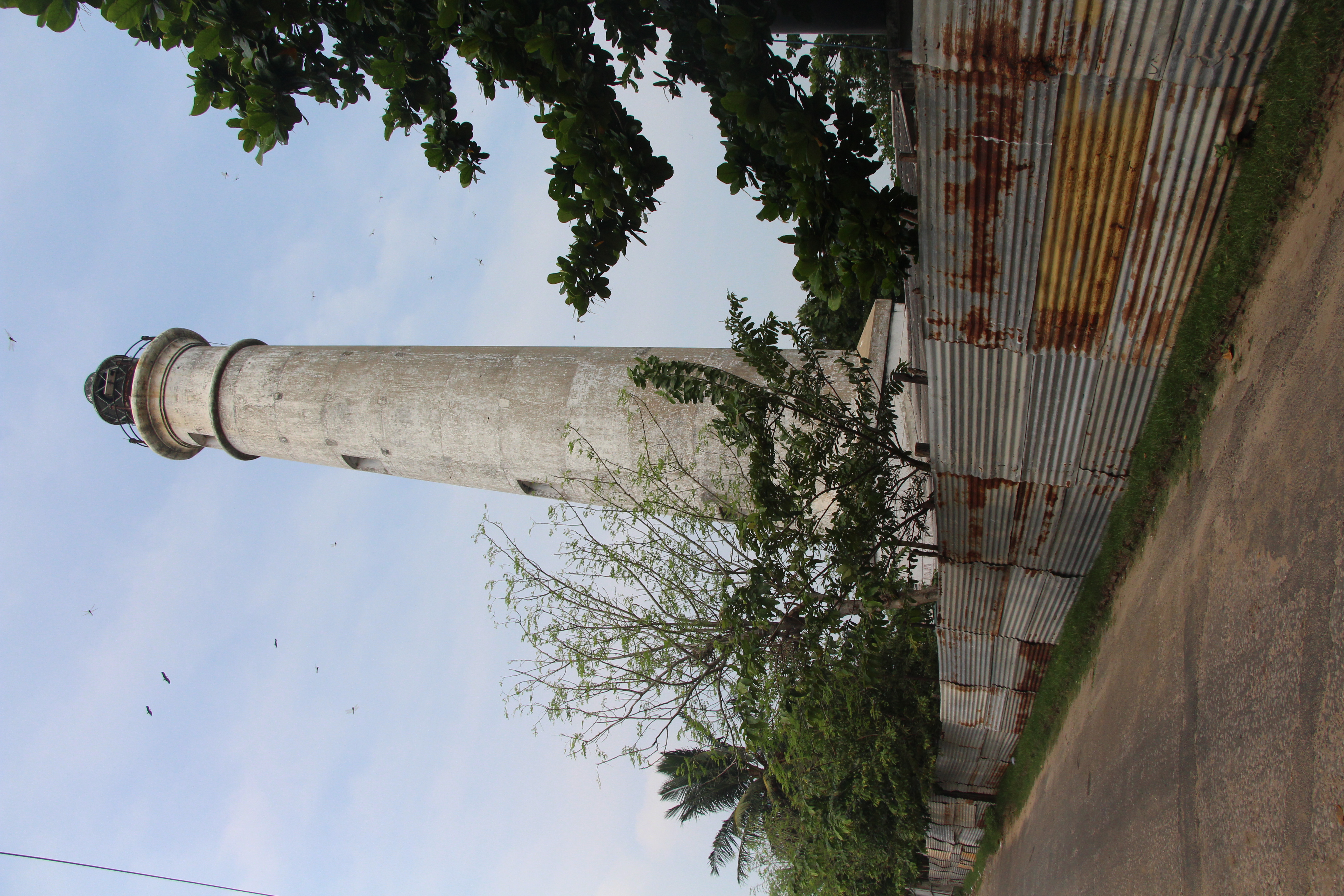
The Point Pedro is situated in North Pole of Sri Lanka. This light house is situated there and it was built in 1916 and it is 32 meters (105 ft.) and white lighthouse has a round masonry tower with lantern and gallery. Its tower displays one white flash visible up to 10 nautical miles every 5 second and it is located at North-Eastern corner of Sri Lanka and Southern entrance to Palk Strait. The tower contains a beacon light guiding ships and fishermen. It is not working now, and it is one of Archaeological monument in the Jaffna District.

Theru Moodi Madam
( Monument/Historical building )
Location : Point Pedro
It is one of the historical landmark in Point Pedro which is situated near to the Lord Siva temple on the Point Pedro- Thumpalai road. It is a resting place called as Ambalam (madam in Tamil) and situated at the middle of the road. It is believed that it has been built during the Dutch era as a resting place for pilgrims. Only the two corridors built with coral rock and the massive pillars exists. On one side there is a door which has now been sealed. This probably was the entrance to the inner chambers of the madam which no longer exists. pillars and walls have been constructed giving with an architectural elegance. The pillars have been erected using sculptured hard lime stones and the artistic carvings on the pillars add to its beauty. As the roofs are very high the traffic below moves on without hindrance. During the rainy or summertime passengers usually take relaxation here on their way, recently it was renovated by Department of Archelogy because it is one of the Archeology Department.
Maruthaddy Pillaiyar Kerny(Viralli)
( Monument )
Location : Nelliyady
This one of the Archaeological monuments and Kerny belongs to the Hindu temple Lord Kana tgpathy.
.JPG)
Moorgam beach
( Beach )
Location : Thumpalai
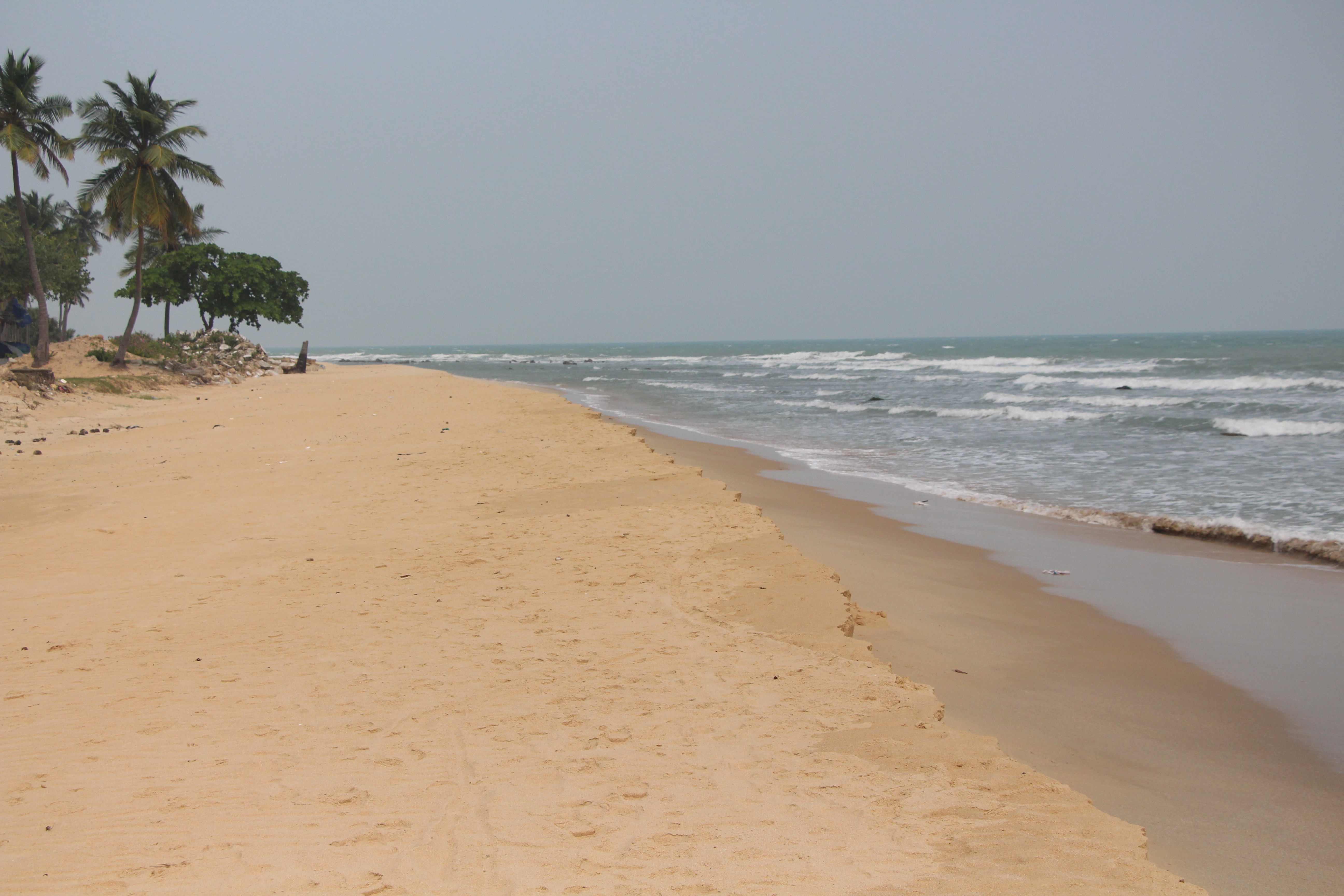
Moorgam beach is a longest sandy blue beach which is situated in the Thumpalai, Point Pedro.This beach is situated at starting point of North-Eastern part of Jaffna District. The name “Moorgam” denotes high velocity of the waves and rough sea because it is deepest sea, not potential for swimming and other water sports but it is potentials for beach side activities. It is very popular beach among the local tourists especially local people of Point Pedro area. It is a longest sand beach with sunny climate. This beach is associated with local community. Moorgam beach lies about 2 km off from Point Pedro town.
Branching Palm - Hyphaene dichotoma
( Exotic plant )
Location : Anaiviluntan
These are found in Vallipuram area in Vadamarachchy. Anaivilunthan Palm trees are characterized by having un-branched stems. Among the species of Palm family (Arecaceae), the Hyphaene genus has branched stems. This is very abnormal and a very rare occurrence in Palm family. Doum palm or Gingerbread tree, botanically known as Hyphaene dichotoma is a close relative of Palmyra palm. It is exotic plant, is a type of palm tree with edible oval fruit that are red-orange and taste like gingerbread. It is believed that Gingerbread trees were brought into Sri Lanka by the Portuguese during the colonial period. The doum palm is a dioecious palm and grows up to 17 m (56 ft) high. The trunk, which can have a girth of up to 90 cm (35 in), branches dichotomously and has tufts of large leaves at the ends of the branches. It is a native to the Arabian Peninsula and also to the northern half and western part of Africa where it is widely distributed and tends to grow in places where groundwater is present. .

Branching Palm - Hyphaene dichotoma
( Exotic plant )
Location : Vallipuram
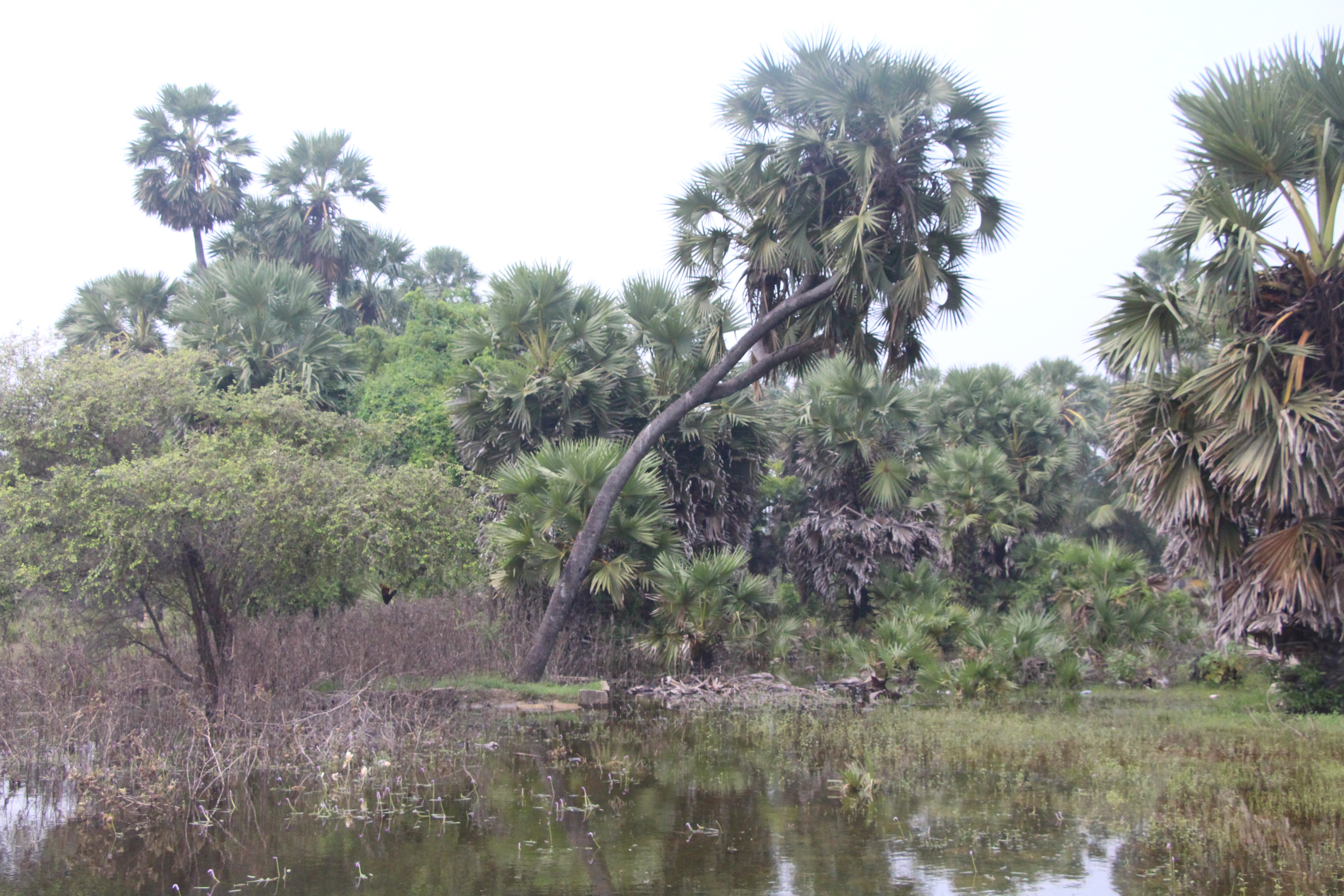
These are found in Vallipuram area in Vadamarachchy. located in front of the Vallipuram Aalvar Temple. Palm trees are characterized by having un-branched stems. Among the species of Palm family (Arecaceae), the Hyphaene genus has branched stems. This is very abnormal and a very rare occurrence in Palm family. Doum palm or Gingerbread tree, botanically known as Hyphaene dichotoma is a close relative of Palmyra palm. It is exotic plant, is a type of palm tree with edible oval fruit that are red-orange and taste like gingerbread. It is believed that Gingerbread trees were brought into Sri Lanka by the Portuguese during the colonial period. The doum palm is a dioecious palm and grows up to 17 m (56 ft) high. The trunk, which can have a girth of up to 90 cm (35 in), branches dichotomously and has tufts of large leaves at the ends of the branches. It is a native to the Arabian Peninsula and also to the northern half and western part of Africa where it is widely distributed and tends to grow in places where groundwater is present.
Vallipuram aazlvaar temple
( Religious place )
Location : Vallipuram
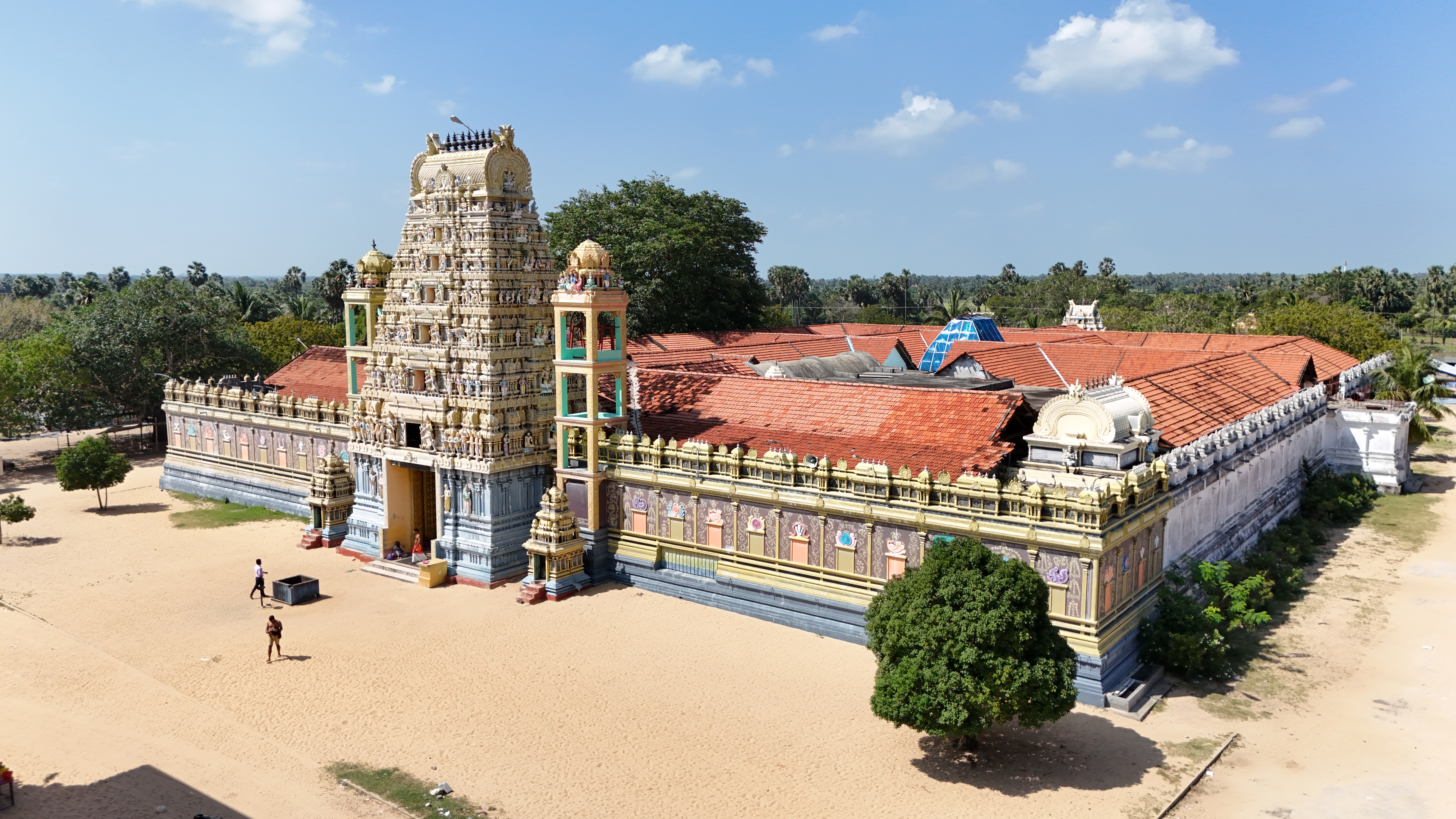
It is one of the popular Hindu temple which is situated at the village of Thunnalai in the Vadamaradchchy region. The prime deity of this temple is Lord Vishnu which is famed for its legendary status. The Lord Vishnu diety housed in this temple is called Alvar. The temple is situated in the sandy area. The annual festival of the Kovil is held during the months of September/October based on the lunar calendar. Car and water cutting festival are most popular festivals in the temple. Water cutting festival is held on the full moon day of the Hindu month of Puraddathi (September/october), next day of car festival. In the water cutting day, Lord Vishnu,Laxumi and Kanapathy deities are taken to ocean for ritual bathing with procession of devotees. Devotees will have to walk over 2.30 km through rough terrain and sand dunes to reach the seashore. Hindu people in many parts of Jaffna visit to this temple on Sundays.Ehathasi fasting,Suvarka Vagil Ehathasi are most popular fasting which are celebrated here. It is believed that lord Vishnu is considered as the preserver and protector of the universe
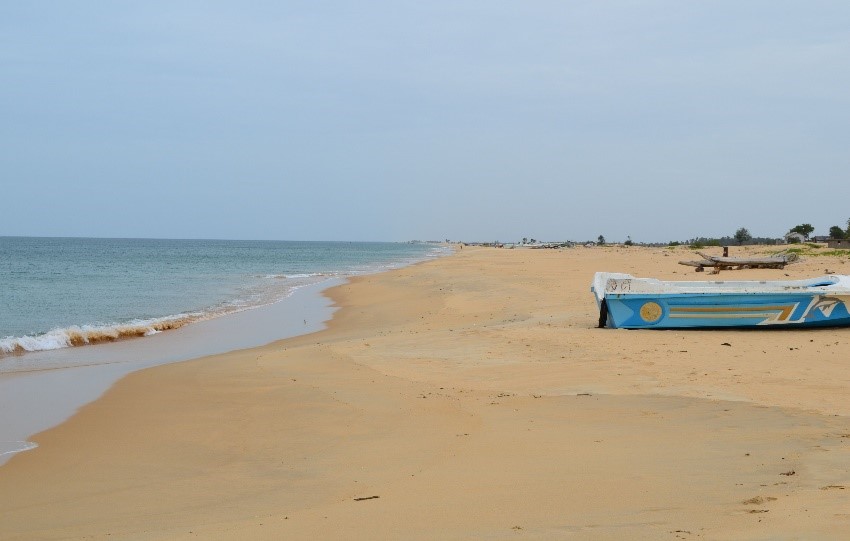
Manatkadu beach
( Beach )
Location : Manatkadu
Manatkadu is a longest sandy blue beach which is situated in the Manatkadu village.This beach associated with largest sand dunes and casuarina trees. This beach is not potential for swimming and recreational boating activities because, it is very deep and rough sea but tourists can involve in other beach activities. It is longest sand beach, sunny climate and back side sand dunes and greenery which give the scenic beauty. This beach is associated with village community. Many resting huts, and other basic facilities are available in the beach area. Manalkadu lies about 12 km off Point Pedro and on the eastern cost of Jaffna Penisula which is popular for its sand dunes along the sea.
St. Anthony’s Church (Old Church)
( Religious place )
Location : Manatkadu
St.Anthony’s Church established in 1894 was later completely got lost due to sand storm and now its structure is re- appearing. Thereafter the new Church has been built in 915 in another place. The cornerstone was laid by Rev. Fr. Olive in the year 1994. Rev.Fr. Gnanaoragasam Mangaladas was ordained as the first Father of this Church. It was declared as archeological monument. A new church was constructed near this church instead of this church.
.JPG)
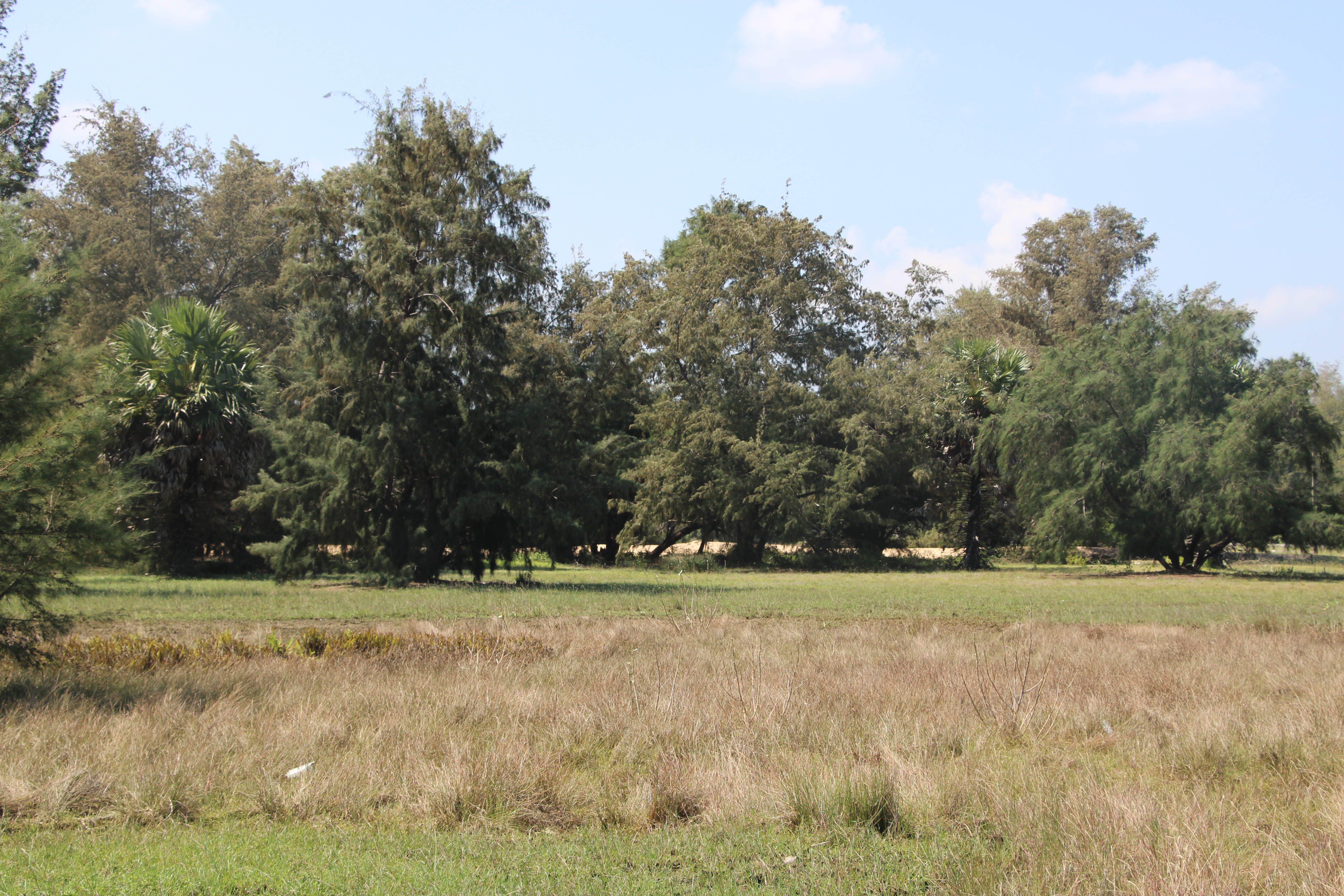
Casuarina community Park
( Community Park )
Location : Manatkadu
Casuarina Community Park is situated in Manatkadu village, Vadamarachchy East. Casuarina trees are exotic plants, as an invasive species, had been planted by the Manatkadu community to protect the sand from the erosion and have been maintained by the community since they had planted. These plants are major community assets of the community. It covers 398 hectares and vey largest trees which is the potential for promotion of nature-based tourism activities such as nature walk and camping. The trees are associated with sand dunes and beach which gives scenic beauty and pleasant view to tourists. This forest is being attracted by many local tourists.
NagarKovil Ancient Nagathambiran Temple
( Religious place )
Location : Maruthankerny
Nagathampiran Temple is situated in the North of Jaffna peninsula and 16 km east of point Pedro town. In ancient days, Naga tribes who lived in this place used to worship Naga(cobra) and are in the habit of calling their king as Thambiran. Therefore, they have named this temple as Nagathampiran and have been continued worship. According to the Temple registration records, Nagarkovil Ancient Temple has been registered in the year 1845. Among the famous Hindu Temples in Vadamaradchy East. Although there are several Hindu Nagathambiran temples with Moorthy, Thalam Theertham and Thalapulranum. also, The Deity with five headed Cobra in the sanctum sanctorum who are famous for its historical background and for miracles in the Vadamarachchy East. It stand as the chief temple among them. Also, from the ancient days up to date NagarKovil village people if they are bitten by any venomous reptiles, they never go for the treatment, but they take the precious medicine available in the temple. Now the devotees come to the Nagathampiran Temple to fulfill their vows
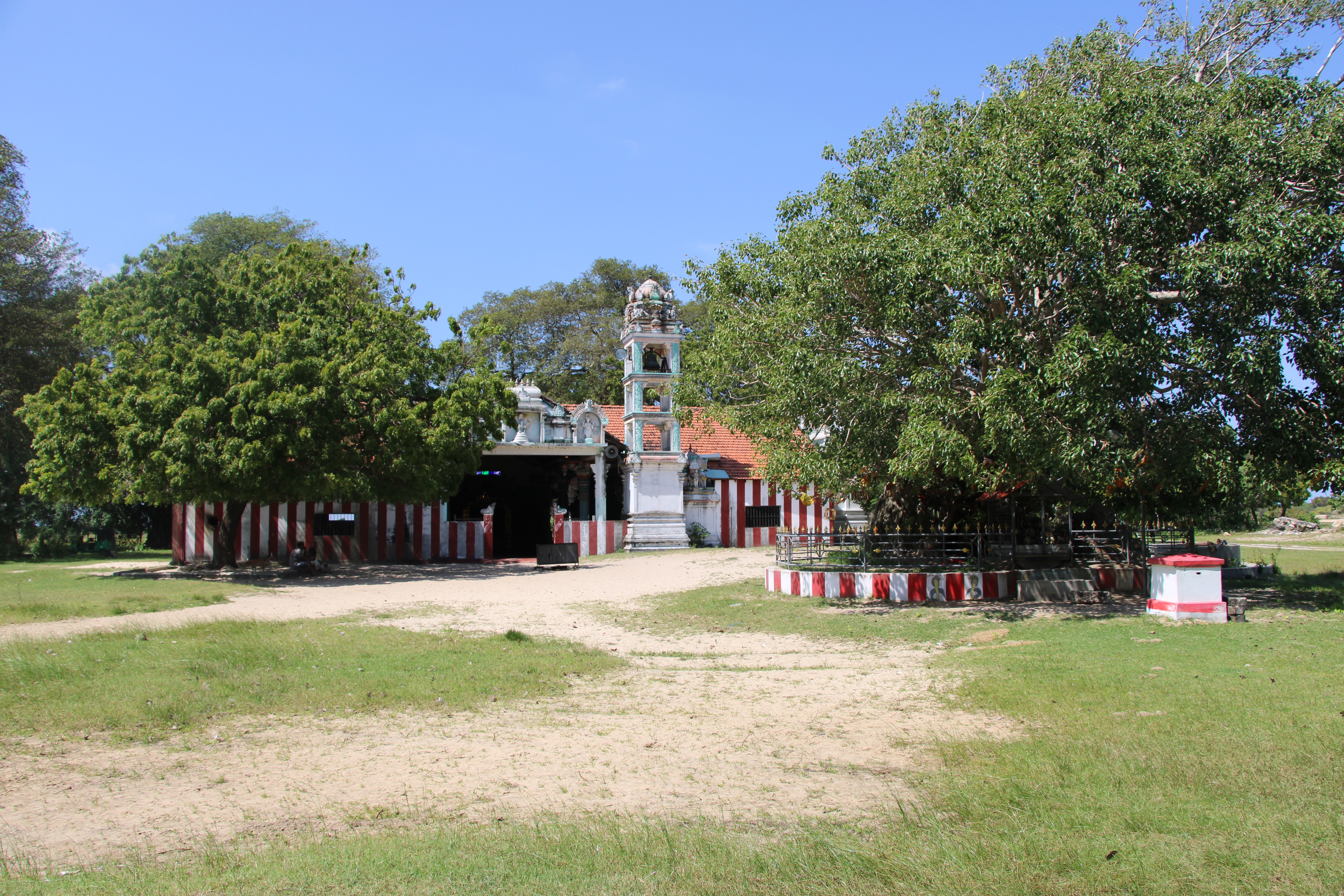
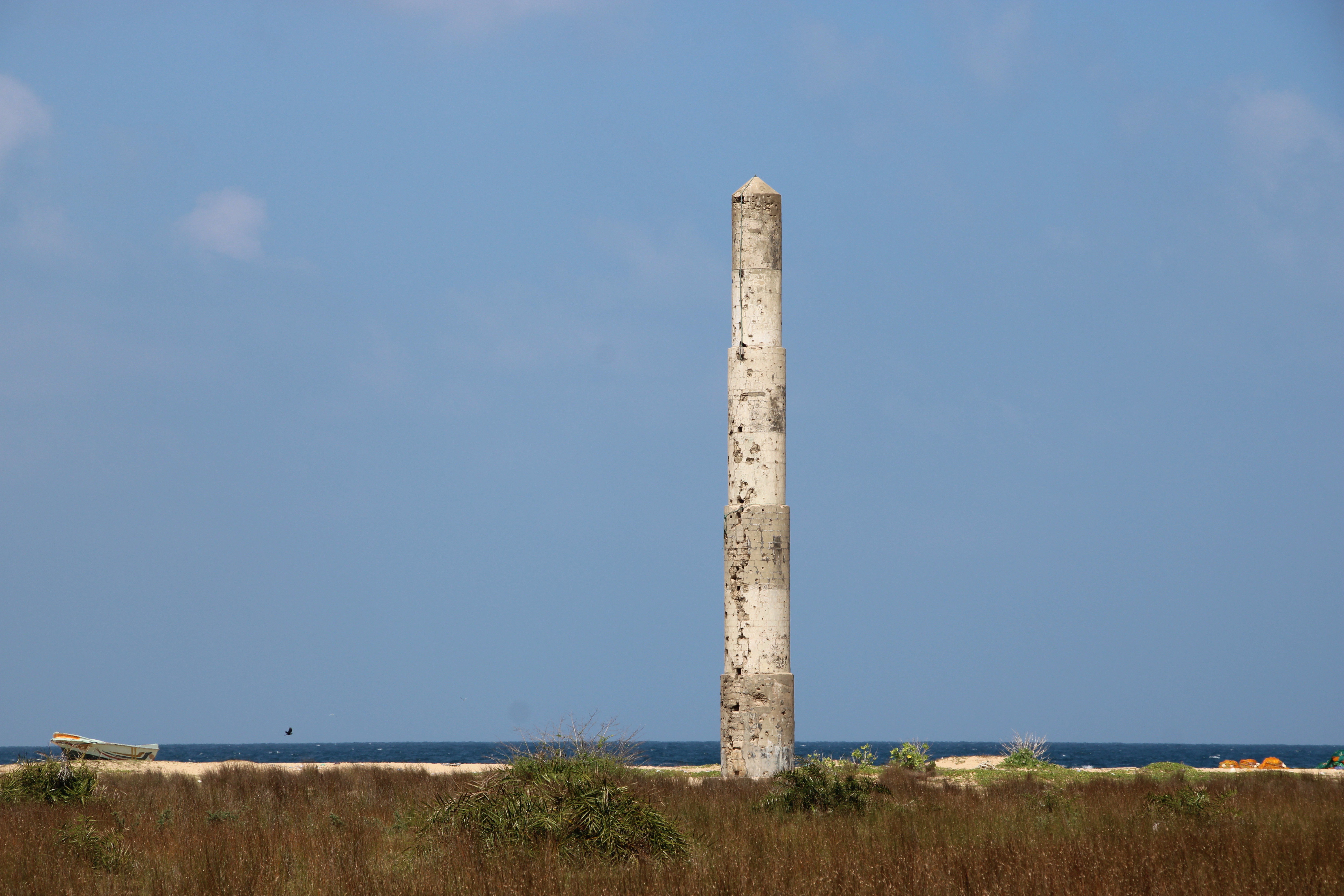
Kudarappu Light House
( Historical Building )
Location : Kudarappu
Kudarappu Light House is situated in seaside of Kudarappu North village,Near to NagarKovil. The light house is one of the monuments which remains the Europeans regimes in Jaffna. It helps to seafarers and fishermen to identify the seaside and direct the fisherman to back safely to the site. This light House was built with coral stones by Dutch and later it was fortified with cement by British rulers. According to the literatures, Northern part was acts as commercial ties with many countries such as India Rome, Arabia & China. During the 13th century, foreign trade was carried out through these ports.
Thalaiyaddy Beach
( Beach )
Location : Thalayaddy
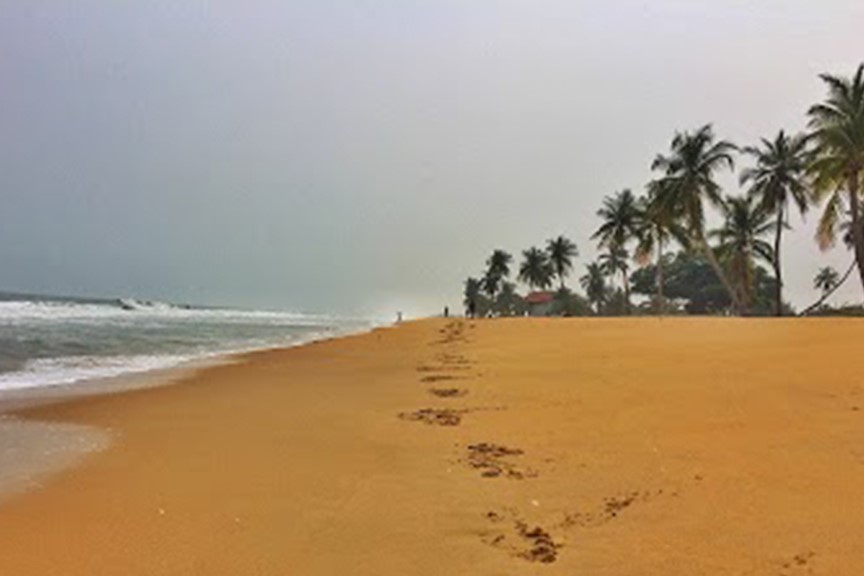
Thalaiyaddy beach is situated near the Thalaiyaddy junction in Maruthankerny. It is 62.5km from Jaffna Town and 7.7km from Puthukaddu Junction, A-9 Road. It is a white sandy beach, stretches of golden sands, swaying gently in the breeze, crystal clear waters, and a relatively untainted, tranquil beach. This beach is not potential for swimming or water sports activities due to deep and very rough but potentials for beach side activities. This area traditionally fishing has dominated the local community. Fishing villages are associated with this beach, hence, tourists have a changes to enjoy the traditional life and buy fishing based products.
Vetrilaikerny Obelisk
( Monument/Historical Building )
Location : Vetrilaikerny
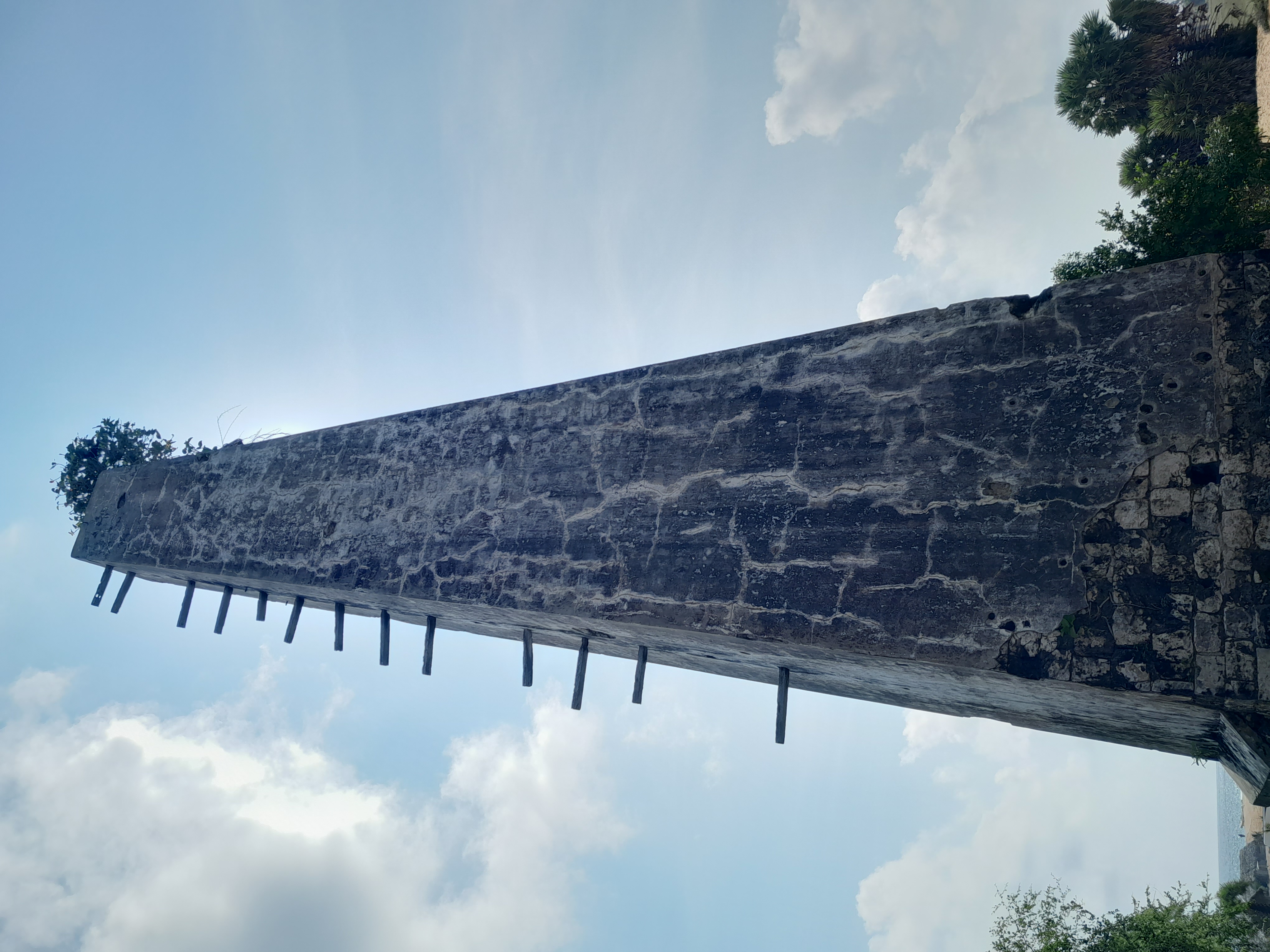
Vettrilaikerny obelisk is situated in seaside of Vetrilaikerny along the seaside road of Maruthankerny – Kaddaikadu. It was constructed during the Dutch period. The light house is one of the monuments which remains the Europeans regimes in Jaffna. It helps to seafarers and fishermen to identify the seaside and direct the fisherman to back safely to the site. There are evidence which belongs to Dutch fort near to this light house. It is believed that it was constructed to protect Jaffna Kingdom from rebels, control the traffic pirates and improve the trading activities. It was used continuously by British rulers. According to the literatures, Northern part was acts as commercial ties with many countries such as India Rome, Arabia & China. During the 13th century, foreign trade was carried out through these ports. Hence, it is considered as an important monument of Jaffna
Pullaveli St.Sebastiar Church
( Religious place )
Location : Vettilaikerny
Pullaveli St.Sebastiar church is one of the oldest Churches which was declared in the year 1867 as pilgrimage center and it is the only church which was gazetted in the Vadamarchchy East Divisional Secretariat Division. In the early day when the kings ruling those who were from the coastal area from Gurunagar came do fishing in the year 1800 here put up small hut and installed a statue and started worshipping. It was declared as archeological monument by the Department of Archaeology.
