Cultural placess - Island Region
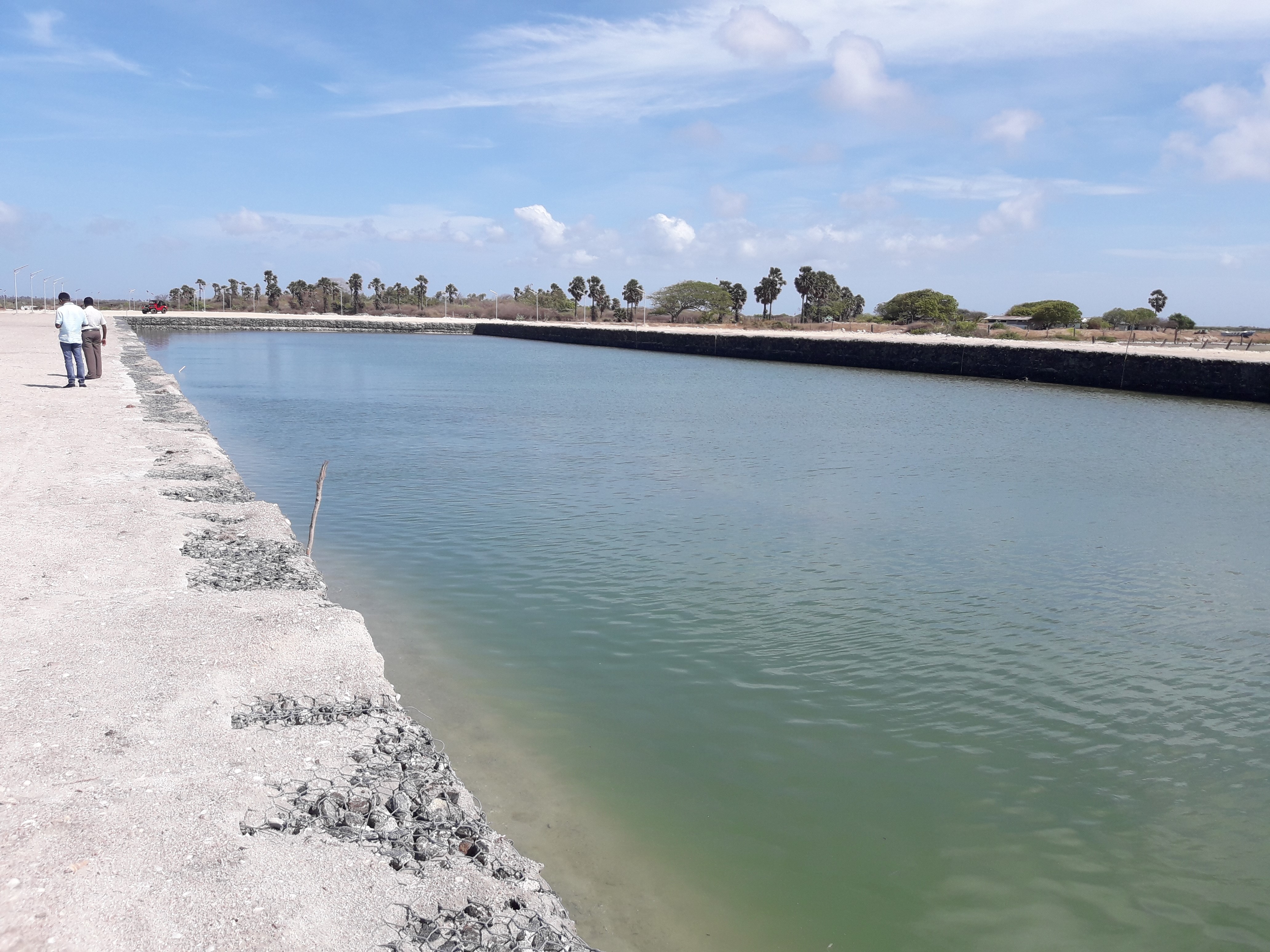
Mandaitivu Eco Park
( Water sports center )
Location : Mandaitivu
Mandaitivu Eco Park is situated in the Radio Ceylon Road, closed to Mandaitivu sea side. It is situated in the connecting area between Jaffna Lagoon and Mandaitivu Sea. This park was designed and implemented in 2017 by Divisional Secretariat, Island South with the funding assistance of Ministry of Tourism & Resettlement and Conciliation. It was designed for the promotion of Ecotourism specially for promoting of water sports. This place is associated with Mandaitivu major environmental sensitive area. High density of mangroves are associated with Jaffna Lagoon & marsh land which is a major habitat for large number of birds both migrants and resident birds. This park is being operated by Island South (Velanai Peradeshiya Sabha.


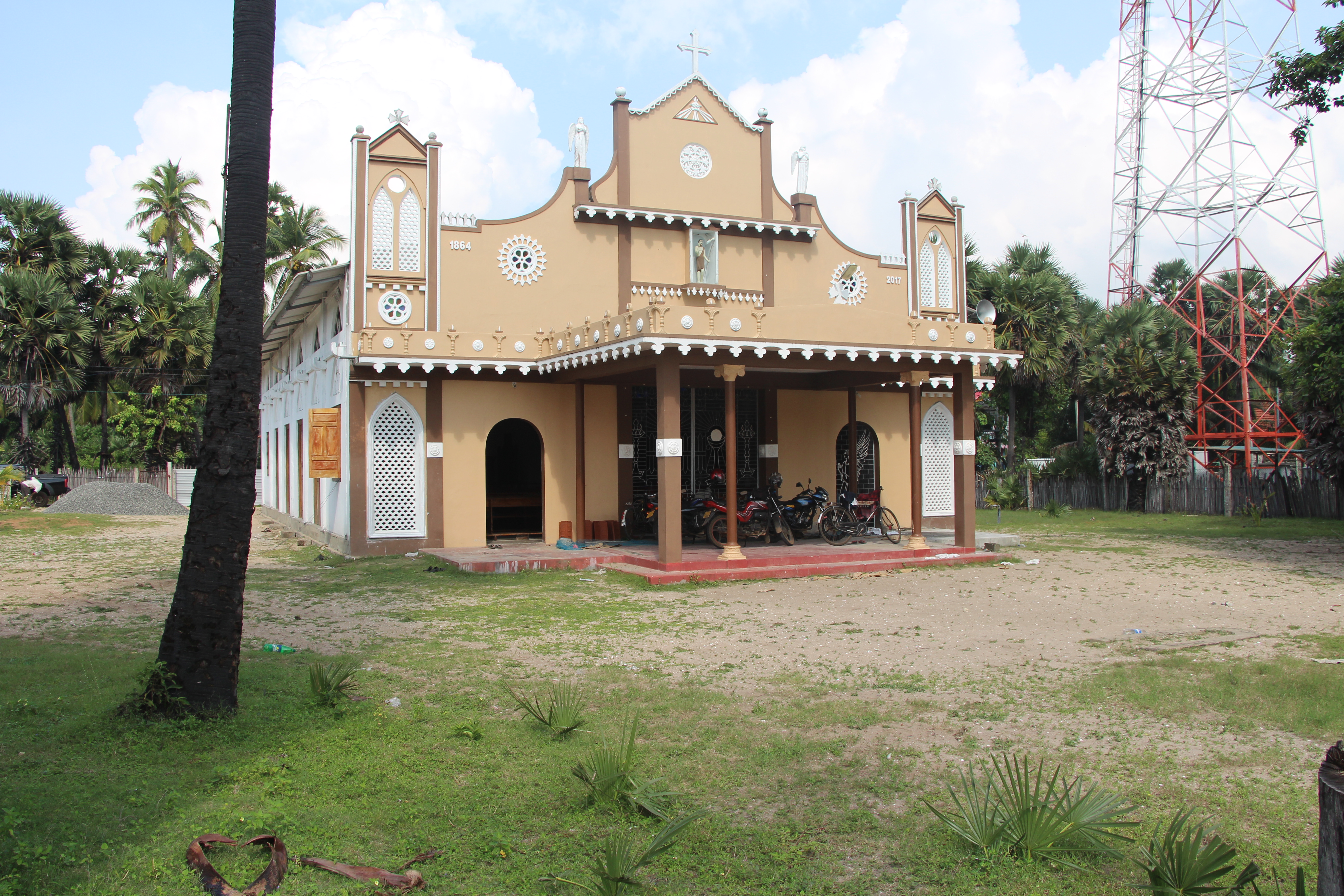
St. John`s the Baptist Church
( Religious Place )
Location : Allaipddy
St.John the Baptist Church is situated in the Allaipiddy village. This church was built in the year 1763 with coral stone. There is a speculation that this church. The history say that the coral stone which were used to erect this church, brought from the sea with help of the people. People used their hands to bring the corals. They spent only two hundred rupees as an expenditure to complete the church. This was the testimony of the same priest and the people. At the same time, `Parish house` also was built along with the church with coral stones. Priests also had stayed here, unfortunately it was destroyed in 1985 due to civil war and continuous natural clamites.in 2000, the sanctuary of this church demolished and rebuilt with cement and after certain laps of years the Portico of the church also newbuilt
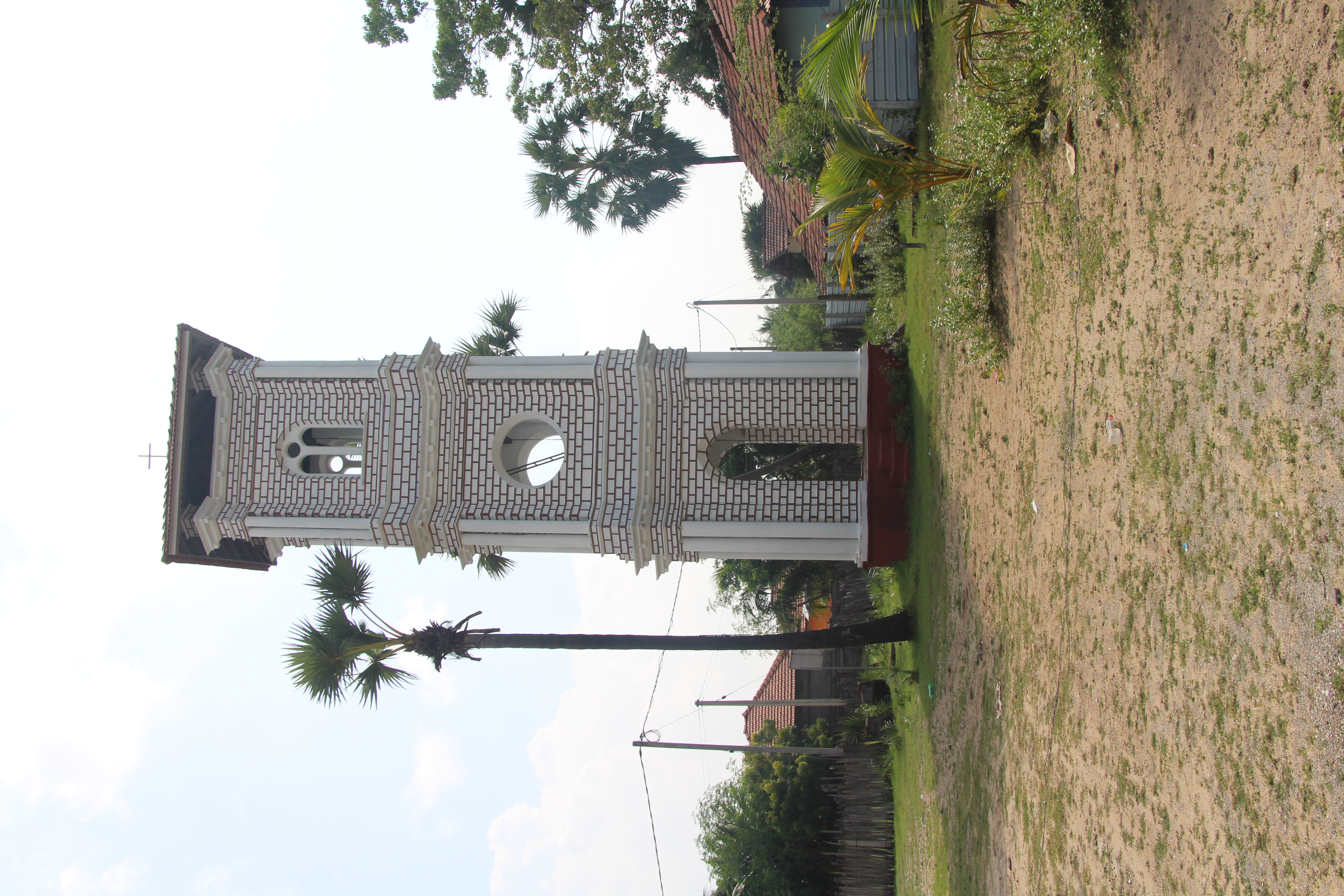
St. John`s the Baptist Church`s Belfrey
( Monument )
Location : Allaipddy
The newly erected the Belfrey of the St.John the Baptist Church Allaipiddy was rather old which was built in 17th century, in the year1610.This was constructed with coral stones, which consisted with five layers, four layers on the top and one layer down but later people of that area expressed their view to put up a new @Belfrey@ based on their belief with only three layers. The new bell which was housed in the “Belfrey” brought down from Rome in 1910.Later it was reconstructed and given a new look with paintings. The newly erected `Belfrey` at the St. John the Baptist church is one of the tallest among the three churches` `Belfrey` in the District of Jaffna
White Beach Jumma Mosque
( Religious Place )
Location : Mankumban, Chaddy
Jumma Mosque is situated near Mankumban, Chatty beach, Velanai. The Masjid was initially constructed in the 16th century. According to certain historical records, a Muslim sailors, who came to Nainativu along with others were killed following their ship was capsized in 1572. Three bodies shored at the Nainativu beach and one shored at Mankumban beach. Another story says, he was alive at the time of reaching the beach and he was very pious man and later days he died. However, the shrine dated to 1572, still found near the Masjid. The Dead person`s name is written near the shrine as Sultan Abdul Cader. The Masjid was lastly constructed in 1965 by Meeran Mohideen and team.

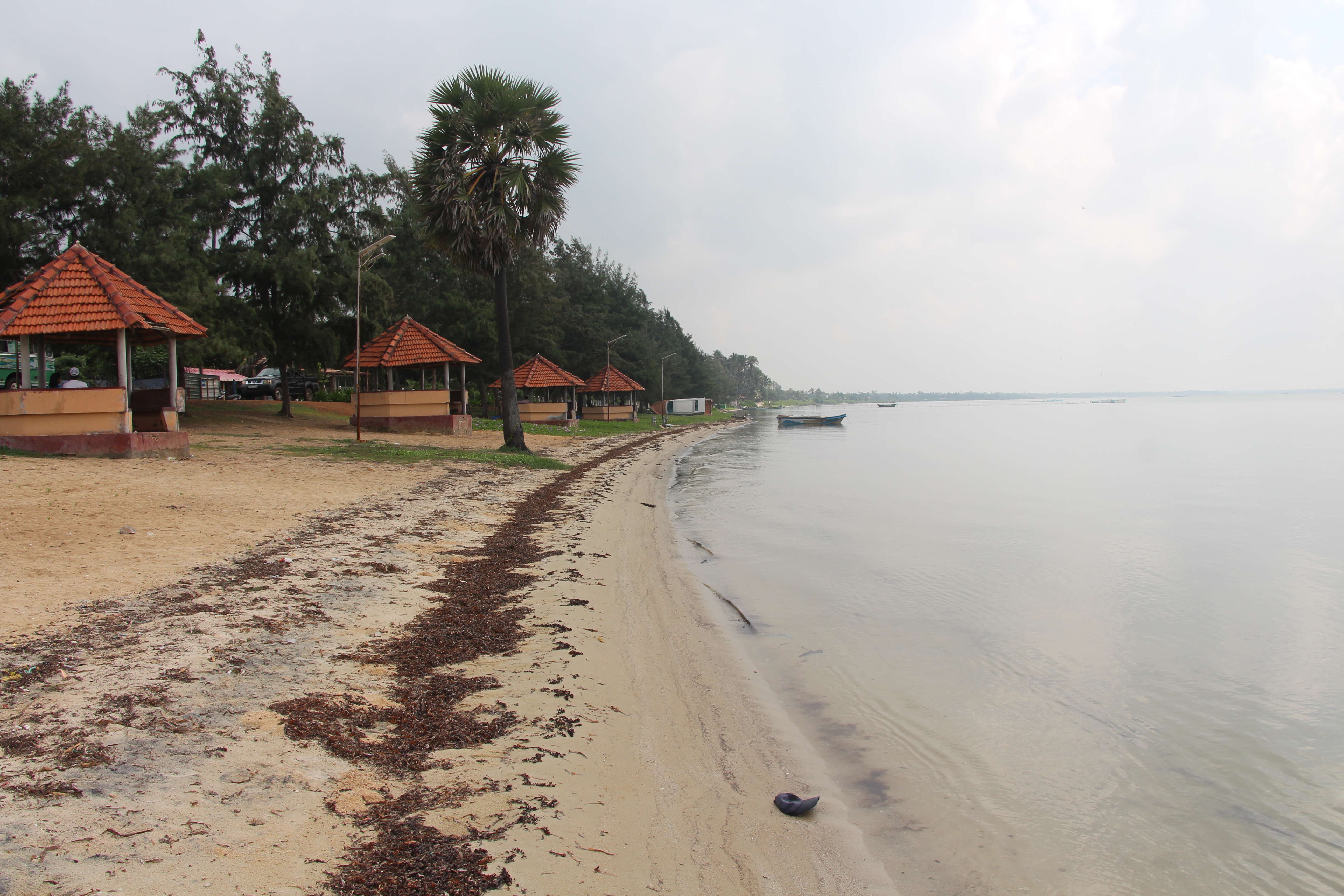
Chaddy Beach
( Beach )
Location : Mankumban, Chaddy
Chaddy beach is a white sandy blue beach which is situated in the Mankumban, Chaddy of Velanai area. The beach is bordered with palmyra, coconut, and various other plant species besides the beach. The sunny climate and sandy bank of the Chaddy give scenic beauty. Many resting huts, room and other basic facilities are available in the beach. The water sports facilities are also available in this beach.
Shrine of our Lady of Good Voyage
( Religious Place )
Location : Chaddy
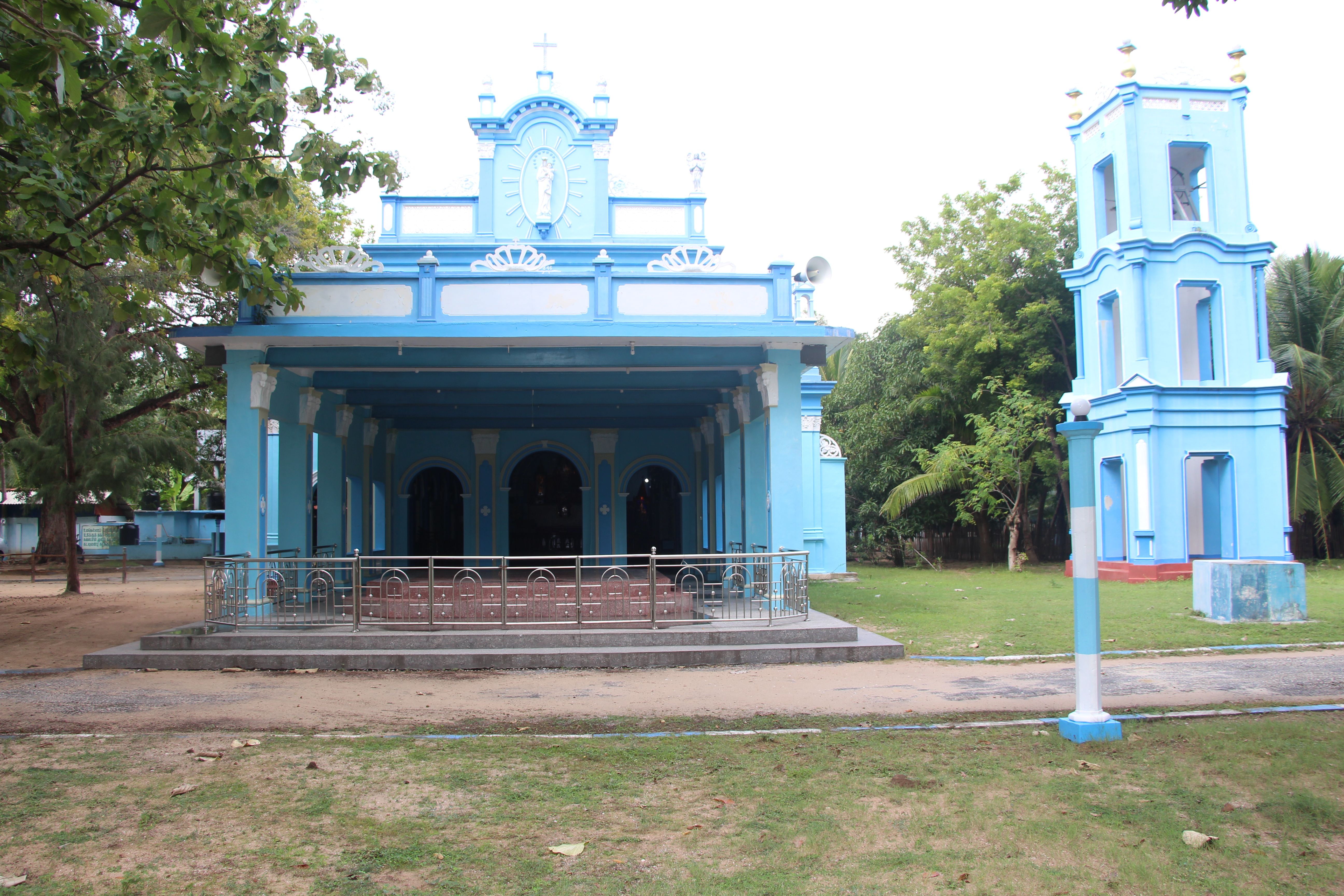
Shrine of our lady of Good Voyage church is situated in the village of chaddy near Chaddy beach of the velanai area. This church is having a long history of nearly 450 years behind it. It was built in 1544v A.D. by the Portuguese then it was destroyed during the regime of the Dutch. However, the statue of our lady of Madhu was found intact in a well and then installed in the new church that was built in 1928. The Annual High Festivals start from the 6th of September each year and goes on for nine days and ends up with the 9th day festival. You find infant Jesus in one hand and a ship in the other hand in the statue of our Lady of Madhu
Pungudutivu Light House
( Historical Building )
Location : Pungudutivu South-East
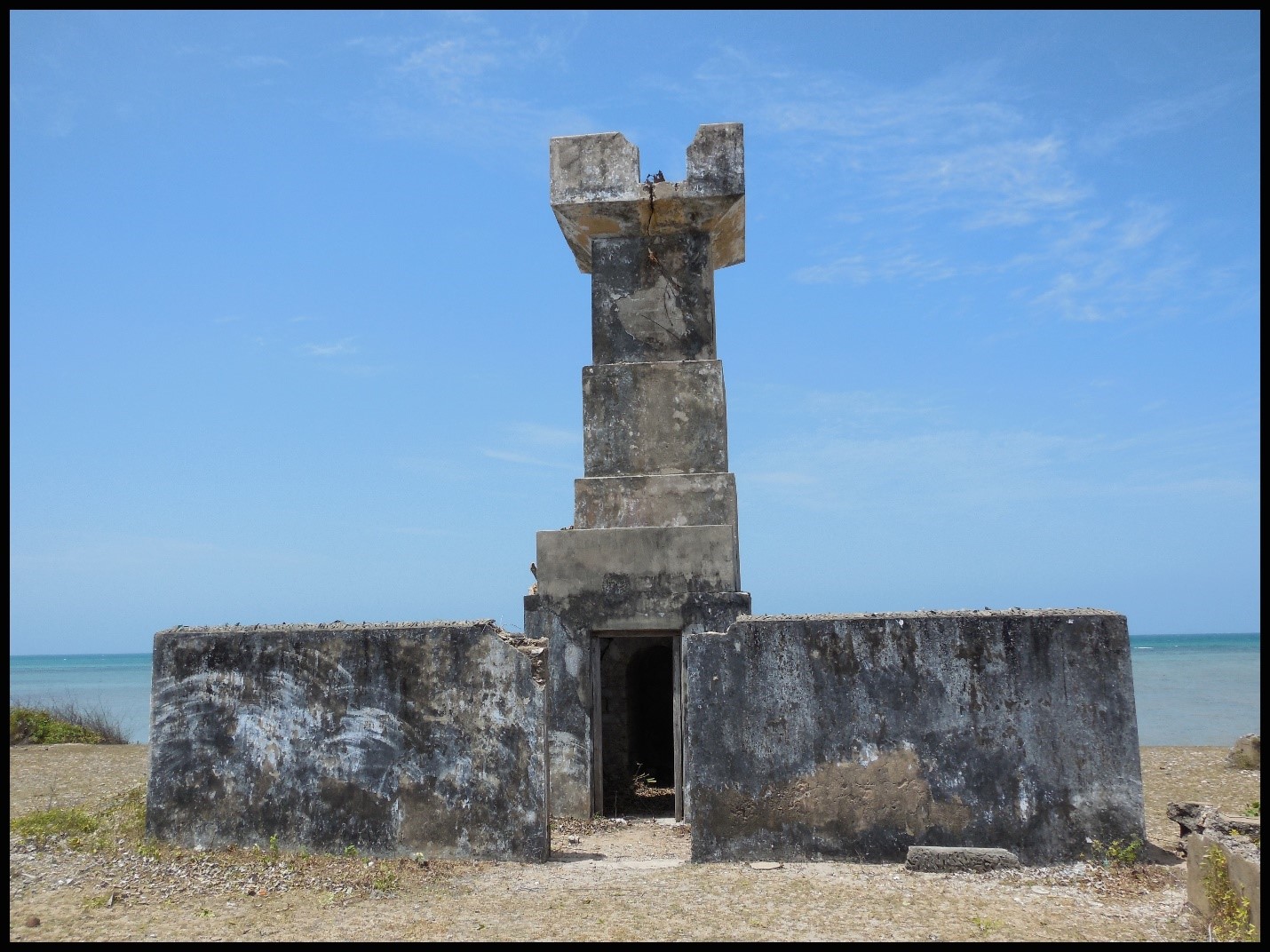
Pungudutivu light house is situated in Veeramalai, on the South-Eastern coast of Pungudutivu. It was built here long ago. It helps the sailor and the fisherman who are going to sea at night. It is also a guide to those who are voyaging from neighboring Islands such as Delft and Nainativu. It is 50 about feet height and it is surrounded by a small wall. Currently, this light house does not function.
Boabab Tree, Pungudutivu
( Exotic Plant )
Location : Madaththuveli
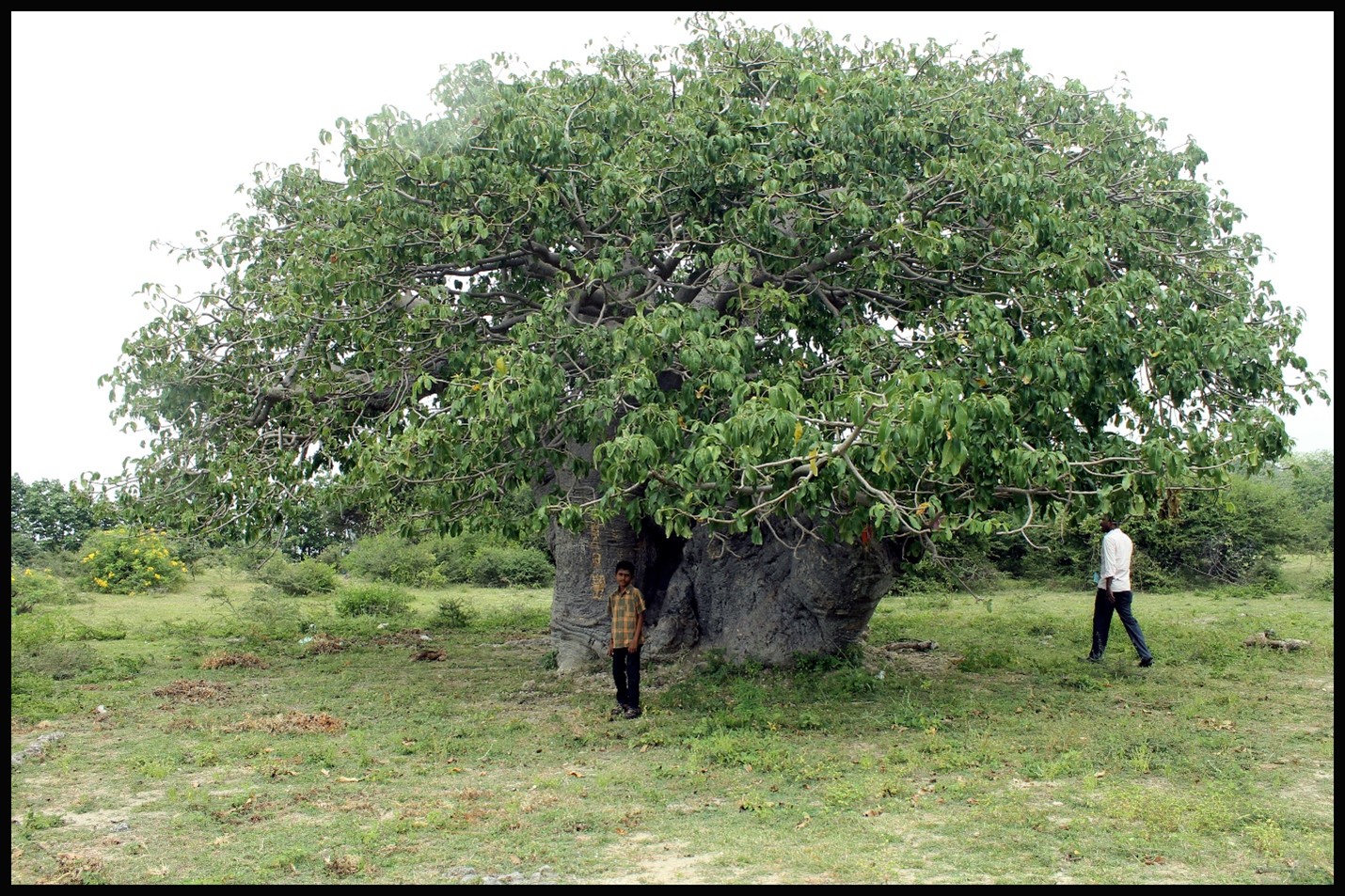
The Boabab tree is situated on the Western coast of Irruppiddy, Pungudutivu. It is a popular tree because of its age and shape. The baobab tree is an introduced species. It is being protected in Sri Lanka given its rarity and antiquity. It is believed that this tree has been brought to Sri Lanka by Arabian Traders. There are over 40 Baobab trees surviving in Sri Lanka. Two species are found in Jaffna District; one among them, is found in Punguditivu. It is evaluated that most of Baobab trees are to be 300-400 years old. It is native to Africa, Madagascar, and Australia. This tree in Sri Lanka is called as Elephant tree because its shape is like a trunk and generally referred as bottle tree and monkey bread tree. It is called in Tamil as “Perukka Maram”.
Nainativu Sri Nagapoosani Amman Temple
( Religious Place )
Location : Nainativu
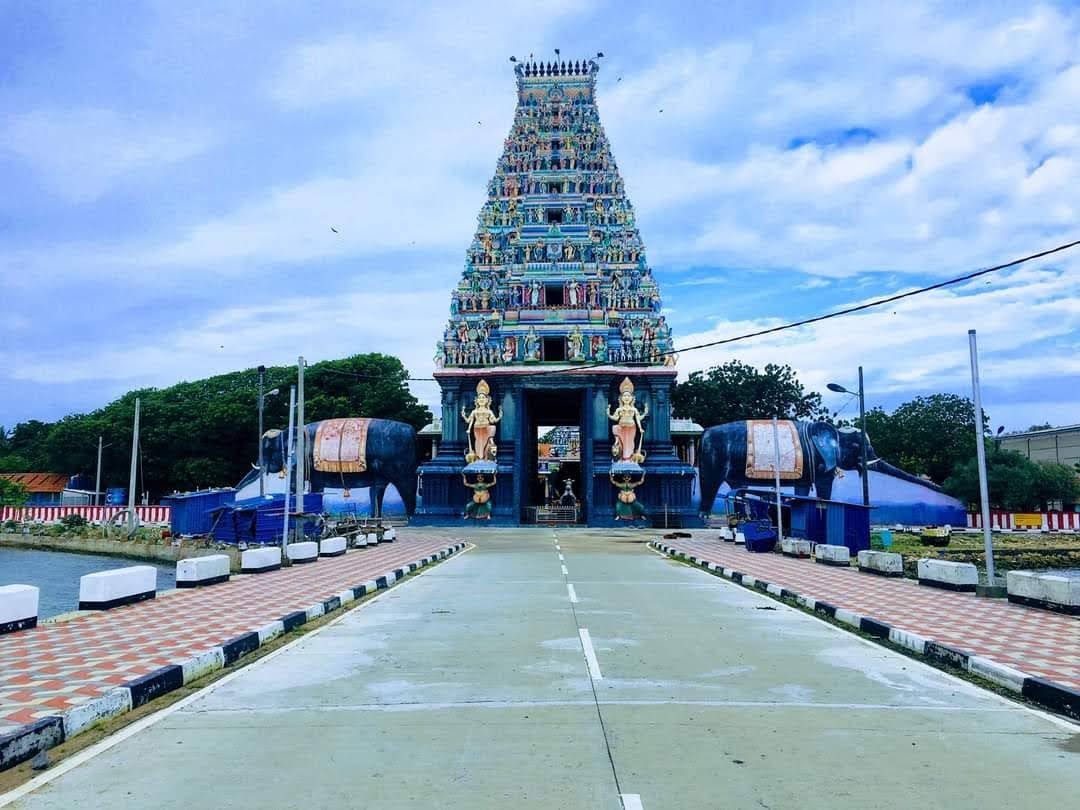
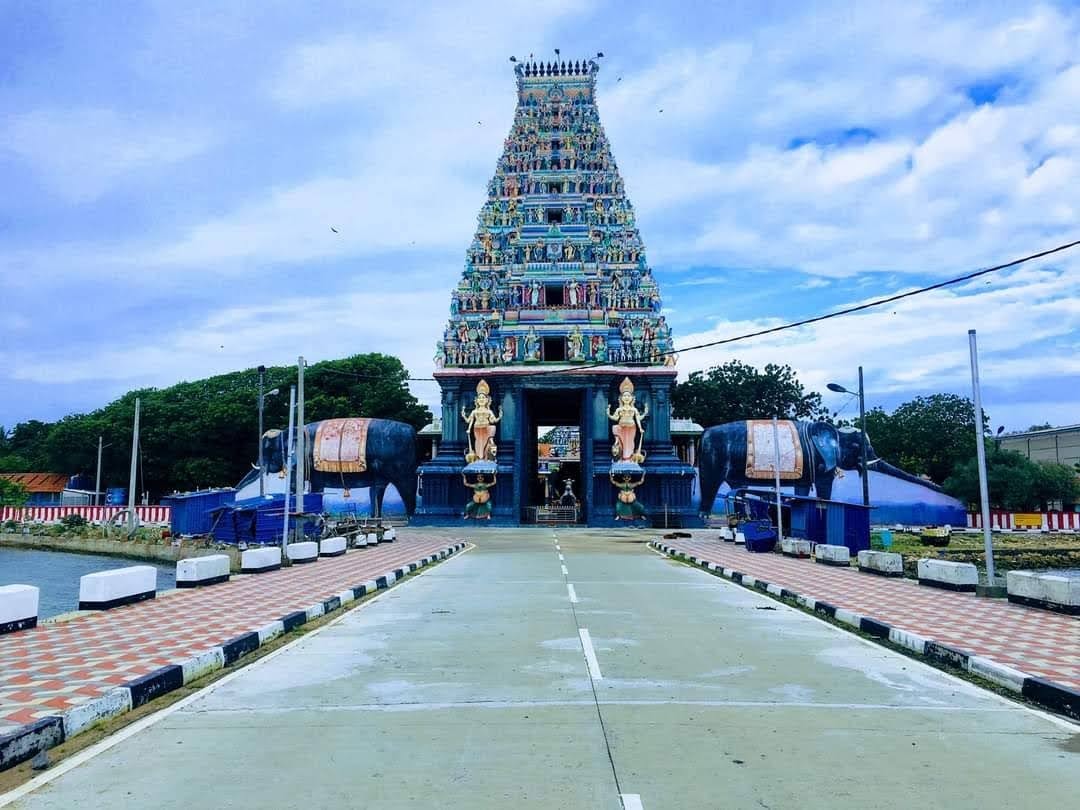
Nagapoosani Amman Temple is situated in Nainativu Island. The presiding deity is Goddess Amman. It is situated in the front side of the Nainativu Island which is one of the major Island among 11 Islands in Jaffna. This temple has long traditional and historical background. The early structure was destroyed by the Portuguese in 1620. The present structure was built during period 1720 to 1790. Currently new Raja Gopuram(Tower) in front side was built in 2015 The specialty of this temple is giving mass-feeding every day. It is traditionally believed that among the Tamil Hindus, whoever has “NagaThosam”, they should go to this temple and do the remedies against it. The annual high festival lasts for fifteen days which are held in the Month of June. In the festival time, thousands of devotees visit this temple. This festival starts from flag hoisting ceremony and ends with water cutting festival, TheCar festival is called in Tamil “Ther” which is most popular festival. Other notable feature is that when the car festival day, Goddess Nagabhoosanai is taken on the Car which has exquisite carvings depicting mythological stories on it. This temple has accommodation facilities and devotees have to reach the temple through 20 minutes voyage through ferry service.
Nainativu Sri Nagapoosani Amman Temple
( Religious Place )
Location : Nainativu
Nagapoosani Amman Temple is situated in Nainativu Island. The presiding deity is Goddess Amman. It is situated in the front side of the Nainativu Island which is one of the major Island among 11 Islands in Jaffna. This temple has long traditional and historical background. The early structure was destroyed by the Portuguese in 1620. The present structure was built during period 1720 to 1790. Currently new Raja Gopuram(Tower) in front side was built in 2015 The specialty of this temple is giving mass-feeding every day. It is traditionally believed that among the Tamil Hindus, whoever has “NagaThosam”, they should go to this temple and do the remedies against it. The annual high festival lasts for fifteen days which are held in the Month of June. In the festival time, thousands of devotees visit this temple. This festival starts from flag hoisting ceremony and ends with water cutting festival, TheCar festival is called in Tamil “Ther” which is most popular festival. Other notable feature is that when the car festival day, Goddess Nagabhoosanai is taken on the Car which has exquisite carvings depicting mythological stories on it. This temple has accommodation facilities and devotees have to reach the temple through 20 minutes voyage through ferry service.
Nagadeepa Purana RajamahaViharaya
( Religious Place )
Location : Nainativu
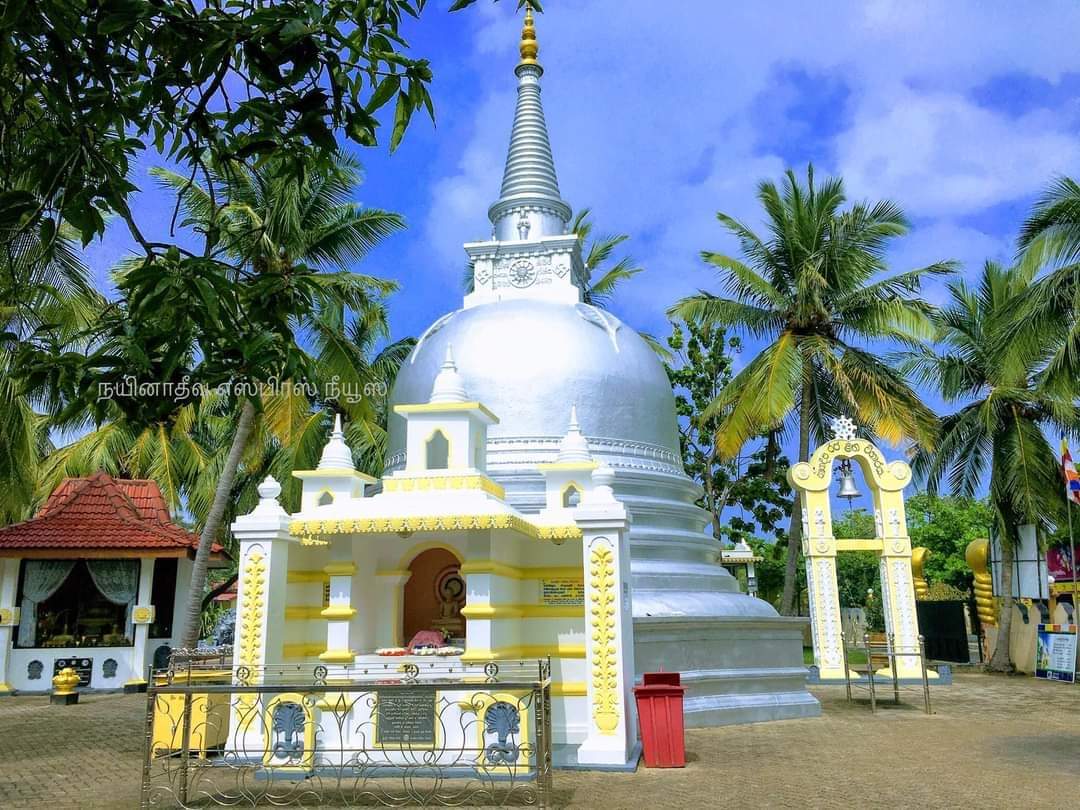
Rajamaha Viharaya is an ancient Buddhist temple which is located in the Nainativu Island. It is one of 16 hallowed by visits of the by Buddha of veneration in Srilanka. Purana Vihara was constructed by the two warring Naga kings, Mahodara and his nephew Chulodara, at the site where Lord Buddha during his second visit to Lanka- five years after attaining Enlightenment -intervened and mediated in settling a dispute over the possession of a gem studded throne, This precious throne which was offered to the Buddha, was returned by him to the Naga Kings and was later enshrined in stupa located next to the temple. The Nagadeepa Vihara has been reconstructed, and developed in the times of King Devanampiya Tissa and Dutugemunu and to convert it into a sacred place. After 2009, This Vihara was renovated and in 2011 a gem-studded throne plated with gold and silver was donated by businessmen. New jetty for Vuhara has been constructed.
Nainativu Moideen Jummah Mosque
( Religious Place )
Location : Nainativu
Moideen Jummah Mosque is situated in the south part of Nainativu Island along the main road. It is believed that Sri Lanka’s first Masjid was constructed in Nainativu, upon the presence of Saad Bin Abi Waqqas and Jaufar who were the companion of Prophet Muhammad (PBUH). Both companion and certain other sailors were spent few days in Manipallavam (Nainativu) on their way to China, in which time Islam has spread to the Island. It was constructed in 750s A.D. The Masjid was having a shrine of a Muslim traveler from India and dated back to 1572. The shrine has been demolished recently. The present Masjid, traditions tell us was built in the 1600s and was completely roofed with tiles from India in 1795. The tiles bare the year as 1795 and producer’s name given as Basel Mission. The Masjid building structure is associated with old historical background. Many tourists always visit to this mosque.


St.Antony’s Church
( Religious Place )
Location : Nainativu
St.Antony`s church is situated in the western side of the Island and is hailed a land of blessings and where St. Antony of Padua, one of the greatest saints ever lived on earth, has a small chapel. This chapel was first built by a christian couple, who were living in this island, namely Mr. Mrs. Sebastian Mary Nobina. They worked hard to put up a small kadjan hut at the northwestern edge of this isle. Then parish priest of Kayts, Fr. Clorus, in 1982 brought a statue of St. Antony to this chapel, and he declared open on the 26th of April of that year. In the year 2016, Fr. Leo Armstrong, the parish priest of Punkudutivu, removed the old chapel and laid the foundation for the new church, and it was completed at the tenure of Fr. Sebajeevan in year 2018. On the 29th day of April, 2018 it was consecrated and opened for public worship by his Lordship Rt. Rev. Dr. Justin B. Gnanapragasam, the bishop of Jaffna. This is a special Church with attracts not only devout Catholics but also other people of various religions. St. Antony is known as `Miracle Worker` was a Franciscan Monk, who intercedes for the poor and destitute and whoever comes to this Church never goes hopeless.
Our Lady of Sinna Madhu Pilgrimage
( Religious Place )
Location : Saravanai
Sinna Madhu church is situated in the Saravanai of Kayts Divisional Secretariat. This church was built associated with school. When Fr.Sandrasegar was serving as the Parish priest. The school was started to construct in 1894 and then small church was built at the site, north of the present-day church. Mary statute was taken from St. James Church and placed on the altar by Fr.Sandrasegar.The first mass was celebrated on 14th July, 1895 and second mass was also celebrated in the same year. The feast of this shrine began to be celebrated on the 5th of August .After the year, number of devotees began to increase rapidly. Then devotees used to refer to this shrine as Sinna Madhu. Bishop of Jaffna Rev.Joulain approved as holy pilgrimage in 1909. During this period, new church was begun to construct and it is being administered by Naranthanai Parish since 1908.

Our Lady of Sinna Madhu Pilgrimage
( Religious Place )
Location : Saravanai
Sinna Madhu church is situated in the Saravanai of Kayts Divisional Secretariat. This church was built associated with school. When Fr.Sandrasegar was serving as the Parish priest. The school was started to construct in 1894 and then small church was built at the site, north of the present-day church. Mary statute was taken from St. James Church and placed on the altar by Fr.Sandrasegar.The first mass was celebrated on 14th July, 1895 and second mass was also celebrated in the same year. The feast of this shrine began to be celebrated on the 5th of August .After the year, number of devotees began to increase rapidly. Then devotees used to refer to this shrine as Sinna Madhu. Bishop of Jaffna Rev.Joulain approved as holy pilgrimage in 1909. During this period, new church was begun to construct and it is being administered by Naranthanai Parish since 1908.
St.James Church
( Religious Place )
Location : Kayts
St.James church is one of the oldest church which is situated in the Kayts town. It appears this would have been built by Spanish priests. According to the records of Rev.F.R.Gnanapragasiar of Nallur, originally there was a small church built with mud at the present location. Later the foundation for the present church was laid on 01,1815 by a Goan priest named Fr.Dalgoda and the façade was completed in 1854, during the period Rev.Fr.Sylvanus Lorenz. Around the same period, Fr.Vistarinii, affectionately known as “Angel priest” erected a cross on top of the façade. The construction of the new altar was begun in 1880 and work on constructing the wall of the main church completed during the period of Rev. Fr.A.Dora. Around 1911 the roofing of the church with tiles was done. When Fr.Sandrasegar was serving as the Parish priest during 1877-1894, a statute of St. Mary was taken from this church and was erected at the Sinna madhu church.


Fort Hammenhiel
( Monument/ Historical building )
Location : Kayts
Fort Hammenhiel is a one of the archeological monuments in the Jaffna District. This fort was built on small island which is situated between the islands of Kayts and Karaitivu of Jaffna District. Two epigraphs of the Cola period were found on the wall at inside of the Fort.It was constructed by the Portuguese and named Fortaleza do case in the mid-17th century. The Dutch, captured the Fort in March 1658 and subsequently renamed it Hammenhiel (Heel of the Ham). It was regarded by the Dutch as the key to Jaffna and it was specified that the garrison of 30 should all be Dutch the Dutch rebuilt the fort in 1680. Constructing a stone breakwater, filling in the hollow ramparts, replacing the upper floor with a stone vault and building a brick lined reservoir to the north of the fort. The Fort was surrendered without resistance to the British in 1795.The British used the Fort firstly as a maximum-security prison and then as an infectious disease`s hospital. During the Second World War, it was used as a base for the “Special Operations Group”. Currently this Fort is managed by Sri Lankan Navy.
Analativu Hariharaputhira Iyanar Temple
( Religious Place )
Location : Analaitivu
Annalaitivu is one of the islets of Jaffna District. The prime deity is Loard Aiyanar.It is believed that Lord Iyanar Vickirkam was found in the sea when it was floating and then it was taken, laid in particular area before 420 years. This temple is considered to be the biggest temple dedicated to Loard Aiyanar in Sri Lanka. The significant tree of this temple is the KOOLA tree. “THEERTHTHAM” sacred water used for ceremonial purposes is portion of the Indian Ocean. The poojas are held in accordance with the agamic rules. The annual high festivals are held for ten days commencing on the fifth day from the new moon (day) (sukkila padcham 5th day) to the full moon day in the month of June. On the Car Festival day, Lord Aiyanar is carried in a car with artistic carving and drums performed. It will be a wonderful sight to witness the worshippers preforming Kavadi dance and other forms of penance in fulfillment of their vows


Light House,Analativu
( Monument )
Location : Analaitivu
Light House, Analativu is situated in north of Analativu Island. The light house is one of the evidences which remains the Europeans regimes in Jaffna. It helps to seafarers and fishermen to identify the seaside and direct the fisherman to back safely to the site. This light House was built with coral stones by Dutch and later it was fortified with cement by British rulers.
Puliantivu Nageshwaran temple
( Religious Place )
Location : Analaitivu
Nageshwaran Temple is a Hindu temple, situated in the small islet of Puliantivu which lies to the south of Analaitivu Island and is separated by a stretch of brackish water of marshy land. The prime deity of this temple is Nageswaran accompanied by his consort Sri Rajarajeswary. This temple is associated with Nagapoosani Amman Temple. It was believed that this island was called as Puliyenthi Island because one tiger`s face king came and used the herbals from the Island and he recovered from that illness. The temple was constructed with mortar and rubble when it was consecrated in 1950. The committee of management renovated the temple once again and consecrated it in 1960. The significant tree of the temple is the bow tree. There is a holy well found here which is dedicated to Nagabhooshanai Amman deity. The prime deity`s symbol is a cobra which is associated with life of Hindu people.


Eelaththu Chithamparam Temple
( Religious Place )
Location : Karainagar
Eelaththu Cithamparam temple is one of the Hindu temples and situated at Ponnalai North in the karainagar division. The presiding deity is Goddess Shiva. The northern side of the temple is covered by Indian Ocean and eastern part is covered by Ponnalai lagoon. It is bestowed with the characteristics belonging to a temple, MOORTHY, THALAM and THEERTHAM. This outstanding shrine is dedicated to Thillai Chithambaram of South India. The Nadarajar deity has no parallel in any other part of Sri Lanka. The chief deities of the temple are lord Sunthareswarar (Siva) and his consort Suvantharambikai (Wife Parvathi). Three trees such as bow tree (Arasa marram), Mahua tree (Illuppai) and Rusty Acacia (Vanni maram) are considered sacred. This temple has two majestic towers (Raja Gopuram) which were constructed in front of temple. 108 Shiva Thandavam and 63 images of Shiva saints and 25 forms of Maheswaran Moortham (godly Images) have been carved in the temple.
Casuarina beach
( Beach )
Location : Karainagar
Casuarina beach is a popular white sandy beach in the Jaffna and it is situated in Karainagar North in the Karainagar division. The beach probably got its name as Caurina due to the dense growth of Caurina trees, along the beach. It is a sandy beach and shallow waters and the Casuarina trees serving as the ideal for providing shade from the northern sun. This beach has bathing and recreational boating facilities. One can walk along the way in the deep blue water with gentle ways moving towards the land. It will give the chances to enjoy the scenic beauty.


Kovalam Light House
( Monument/Historical Building )
Location : Karainagar
Light house is situated near Casuarina beach in Kovalam area in Karainagar. “Kovalam” means in Tamil the curve area of landscape. It was built in 1916 and it is about 30m height. It serves as a beacon for navigational aid for fishermen at sea. This light house provides tremendous guidance and active navigation.