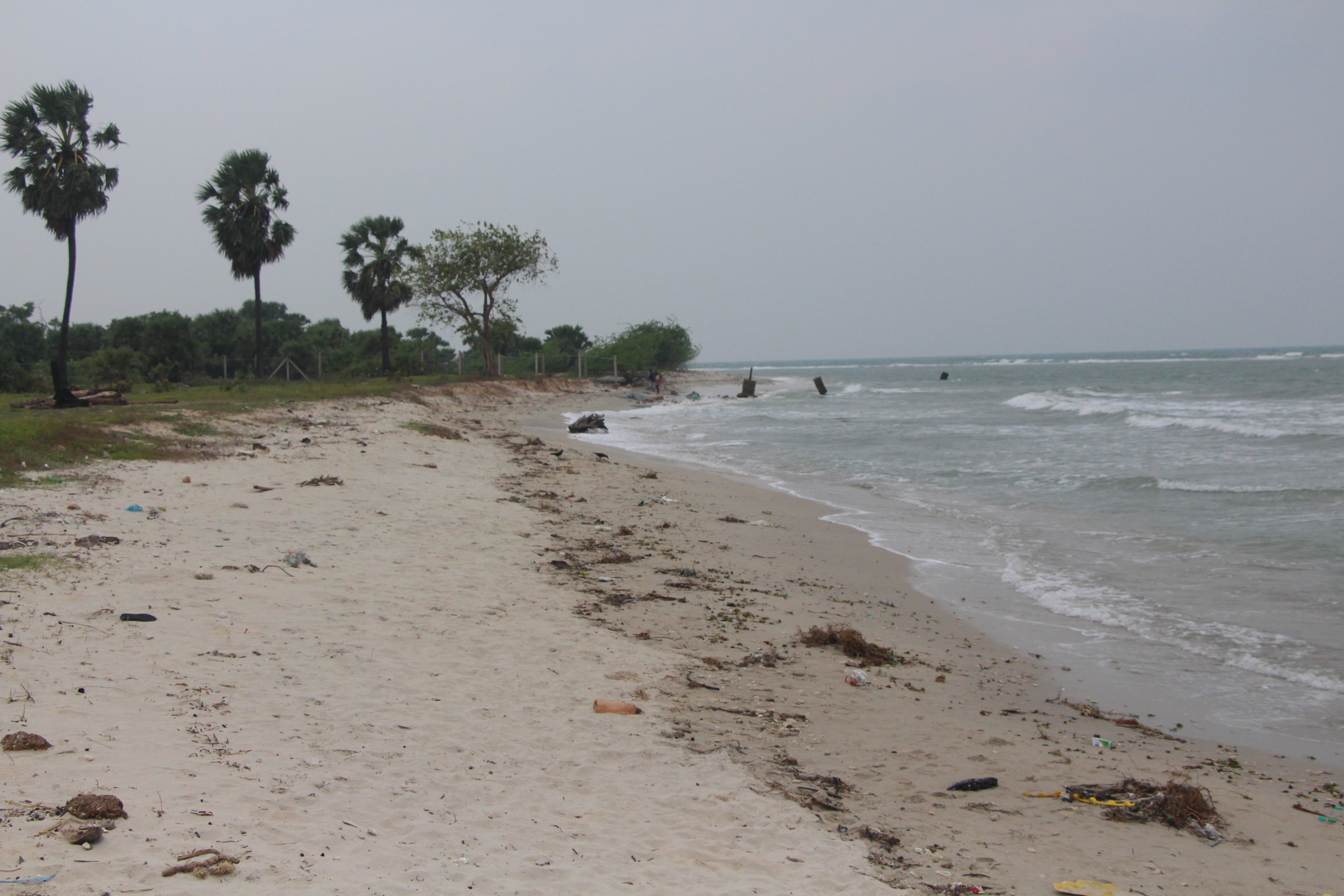
Cultural placess - Valikamam Region
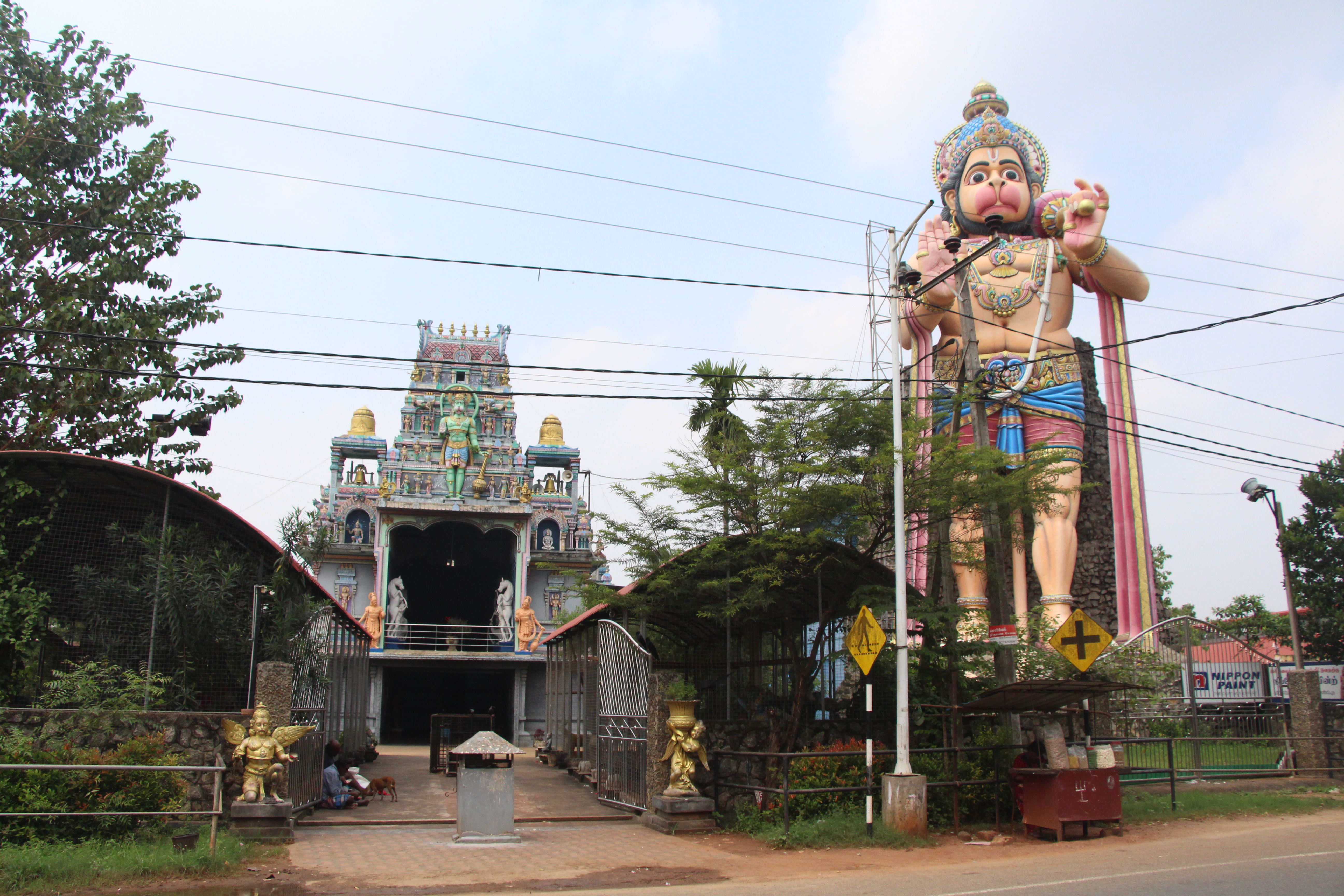
Maruthnarmadam Aruvalar Sri Sundara Anyaneyar Temple
( Religious place )
Location : Maruthnarmadam
Arulvalar Sri Sundara Anyaneyar temple is a Hindu Temple which is situated on the K.K.S road near Maruthanamadam Junction. It is a very biggest Anyanear temple in Jaffna. The prime deity is Anyaneyar (Called in another word “ Hannuman”), There is a huge statue of Lord Anjaneya on the roadside and it is 72 feet in height. It is one of the biggest Anjeyneyar temple in the Jaffna. The routine poojas are held in the morning, noon and evening daily. Special poojas are held on Saturday.


Early Iron age urbanized settlement center & Buddhism Artifacts
( Religious place )
Location : Kantharodai
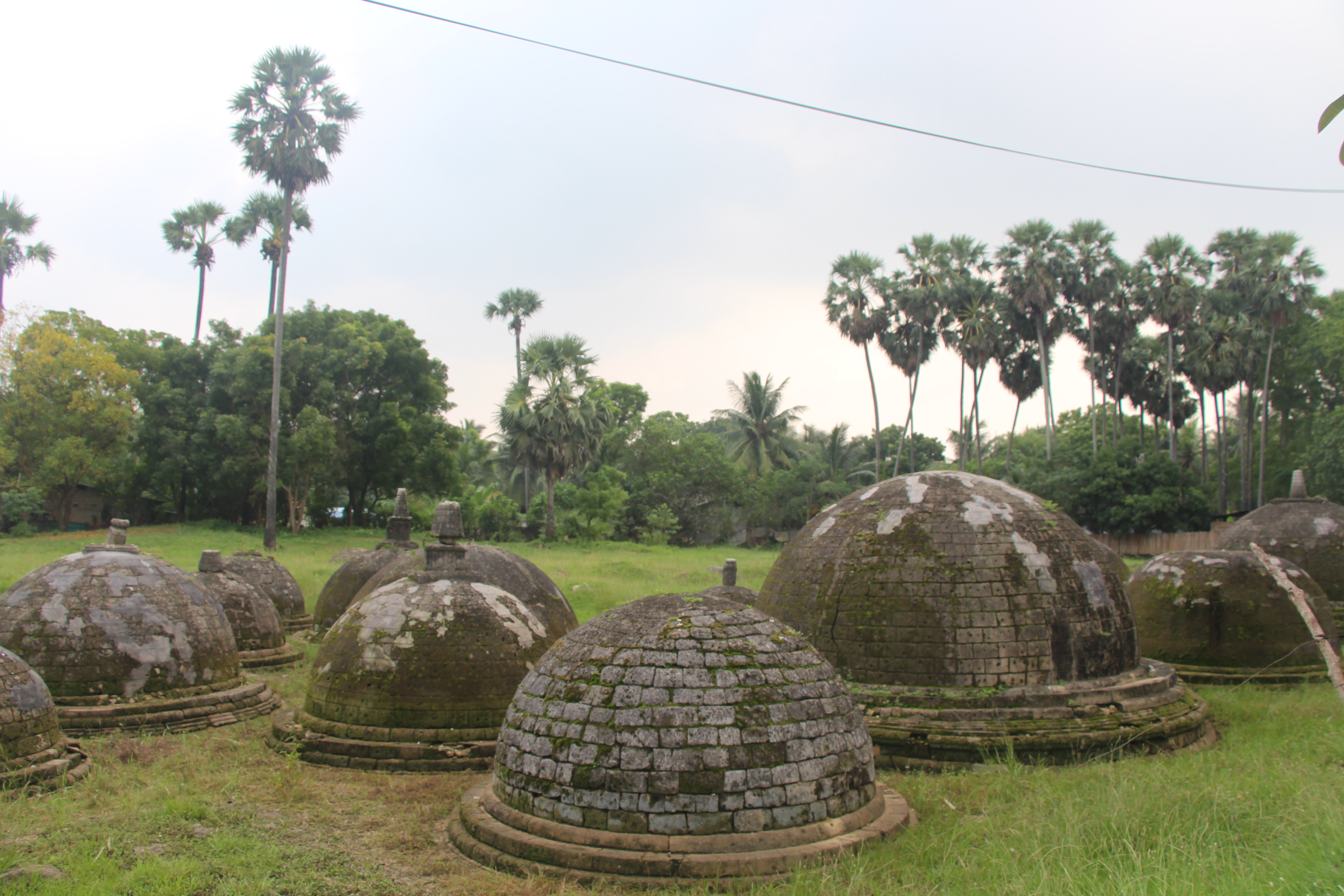
Early Iron Age urbanized settlement center is situated in KantharodaiIt is the ancient Buddhist remains which is situated in Kandarodai village in Chunnakam. Today there are about 20 stupas, and few stupa foundations can be seen in the area. The smallest stupa is about 8 feet in diameter and the largest is about 23.5 feet. The stupas possess unique features that cannot be found anywhere else in Sri Lanka. They have been made of gray colored coral stone and have a very distinguished pattern with small holes all over them. the finial of the stupas is made of limestone. This has been identified as the kadurugoda temple. According to Mahavamsa , After theri Sangamitta arrived to Dambakolapatuna, she visited to this site when she was going to Anuradhapura.Many Sinhala People visit to this site regularly

Thellipalai Durkai Amman Temple
( Religious place )
Location : Thellipalai
Durkai Amman Temple is located in Thellipalai, It is one of the most popular Lord Amman temple in the Jaffna. The prime deity is Goddess Durkai amman. A majestic Raja Gopuram (main tower) and a good number of lobbies (Prakarams) were built and Maha kumbhabhishekam ceremony was held on 17.04.1981 The Annual High Festival which commence in the Hindu month of August last for 12days and large number of devotees throng at this temple during those days. Special poojas are held on the full moon days. The temple administration always doing many charity works for poor people and is maintaining home for helpless children protection and life. Recently New majestic raja gopuram (main tower) was built at main entrance of the temple. Young people of marriageable age always do the pooja for getting rid of “Sevaidoosam” for their marriage.
Mavidapuram Kandasamy Temple
( Religious place )
Location : Mavidapuram
Mavidapuram Kandasamy Temple is very oldest Hindu Temple, situated near Maviddapuram junction and the prime deity is Lord Murugan. According to the Folklore, the temple has historical story that during the 8th century, the princess Mathurapuraveeravalli who is daughter of Madurai king Tissai Ughra Cholan was inflicted with a persistent intestinal disorder as well as facial disfigurement which made her face look like a horse. She was advised by a priest/sage to bathe in the freshwater spring at Keerimalai. After bathing in the spring Mathurapuraveeravalli`s illness and disfigurement vanished. That is reason it is called as Maviddapuram is derived from ma (horse), vidda (removed) and puram (holy city). Way back in 1795 idols were bought to this temple from Chithambaram in South India. The Annual High festivals are celebrated in Month of July last for 25 days terminating on the Aadi Amavasai

KKS Beach
( Beach )
Location : Kangesanthurai
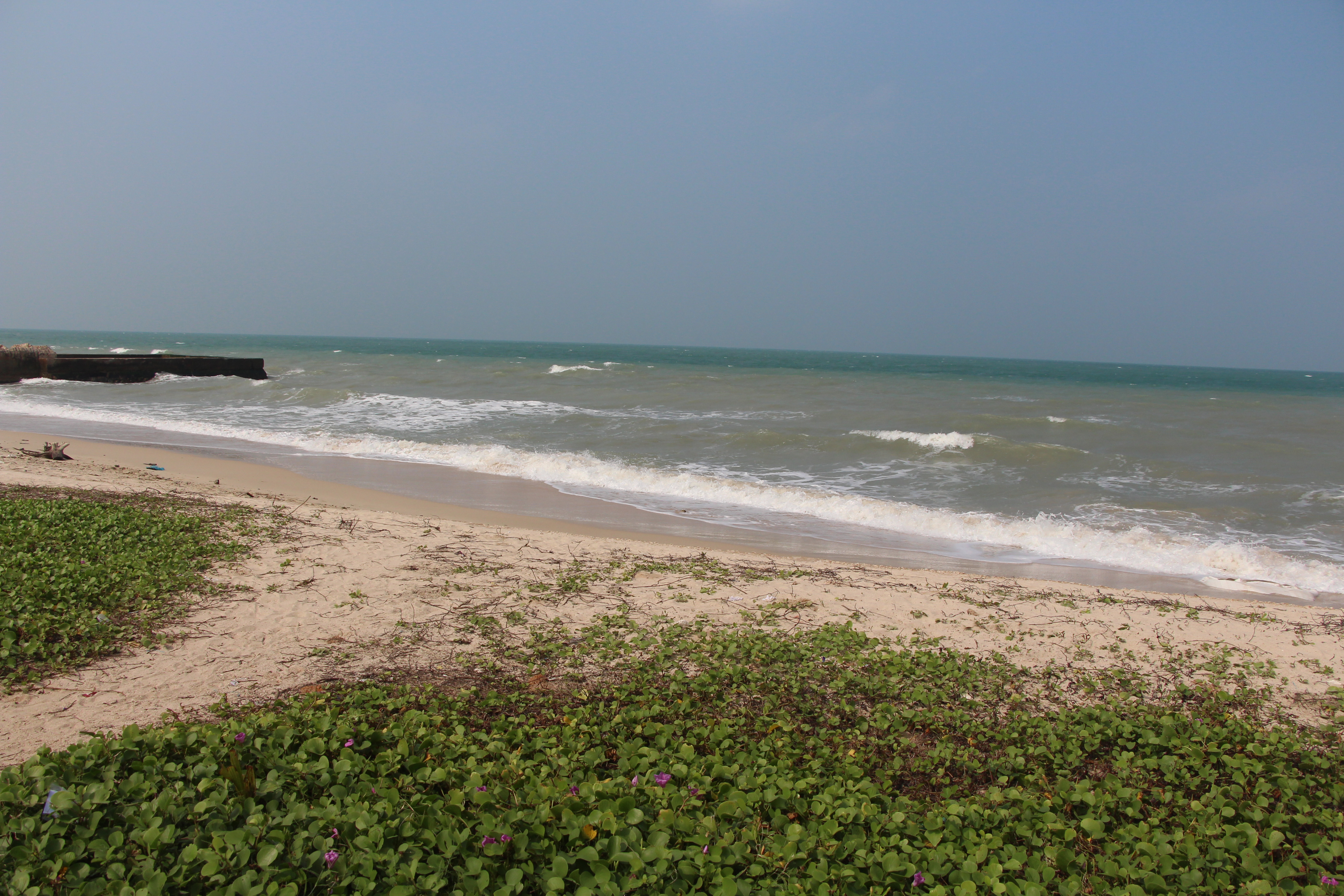
Kangesanthurai beach is situated in near Thalsevana Hotel and K.K.S Harbour and in the north part of Jaffna. It is become as most popular beach in Jaffna. The golden sands and the refreshing blue waters which attract and relax its visitors who come to experience the beach. There is a hotel which is situated near to the beach. This beach is potential for swimming and boating activities.
K.K.S Light House
( Monument/Historical building )
Location : Kangesanthurai
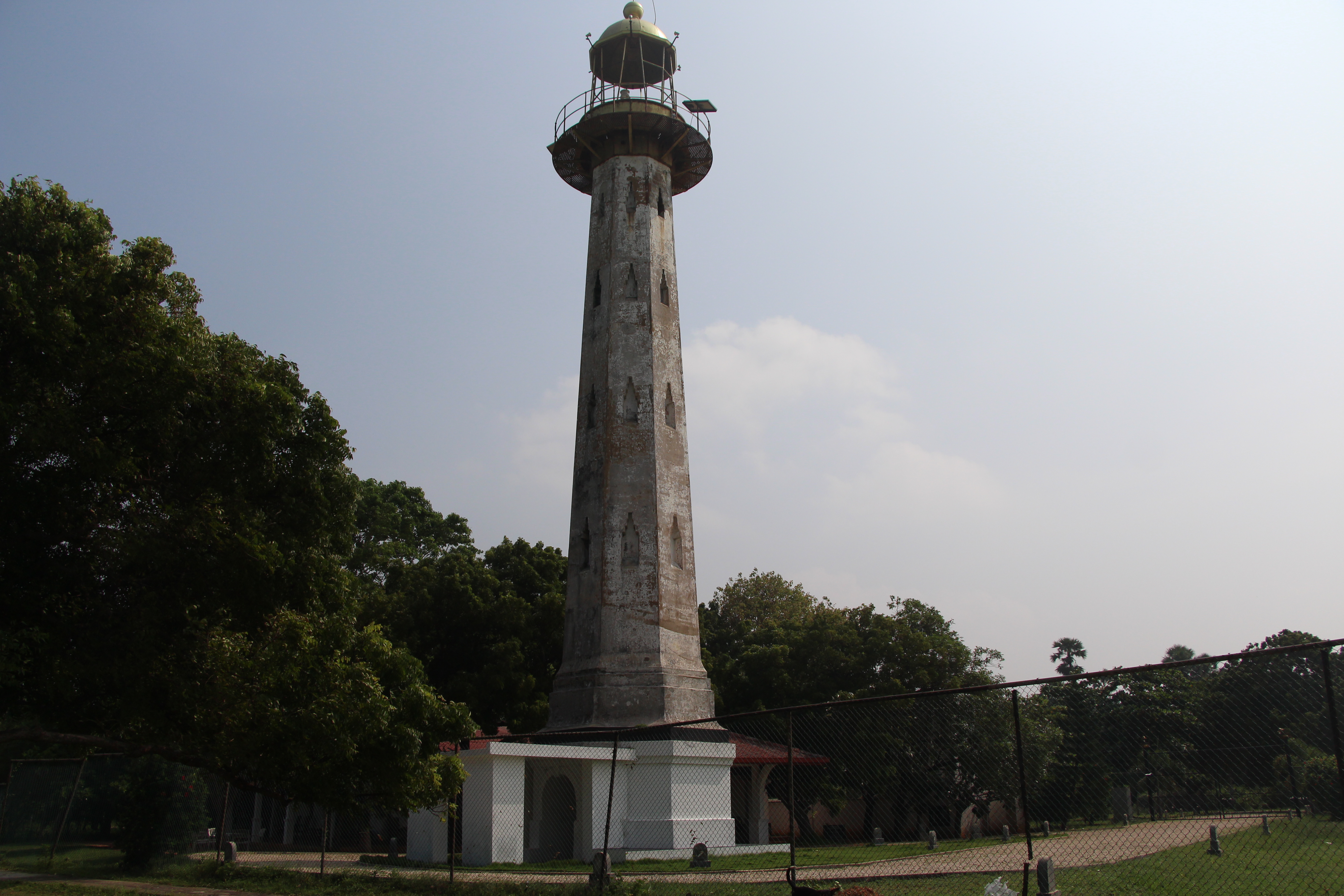
Kangesanthurai Light House is situated near Kankesanthurai harbour and K.K.S beach. It was built in 1893. It is the 22 meters (72 ft) height and lighthouse has an octagonal masonry tower with lantern and gallery. The lighthouse was heavily damaged during the Sri Lankan Civil War and is inactive. During the early period, this was used for navigation purposes by fishermen and ships. It is also very oldest light house. The main objective of the light houses which had been constructed near harbours, was navigation to ships.

Keerimalai Sri Nagulambiga Sametha Sri NaguleswaraswamyTemple
( Religious place )
Location : Keerimalai
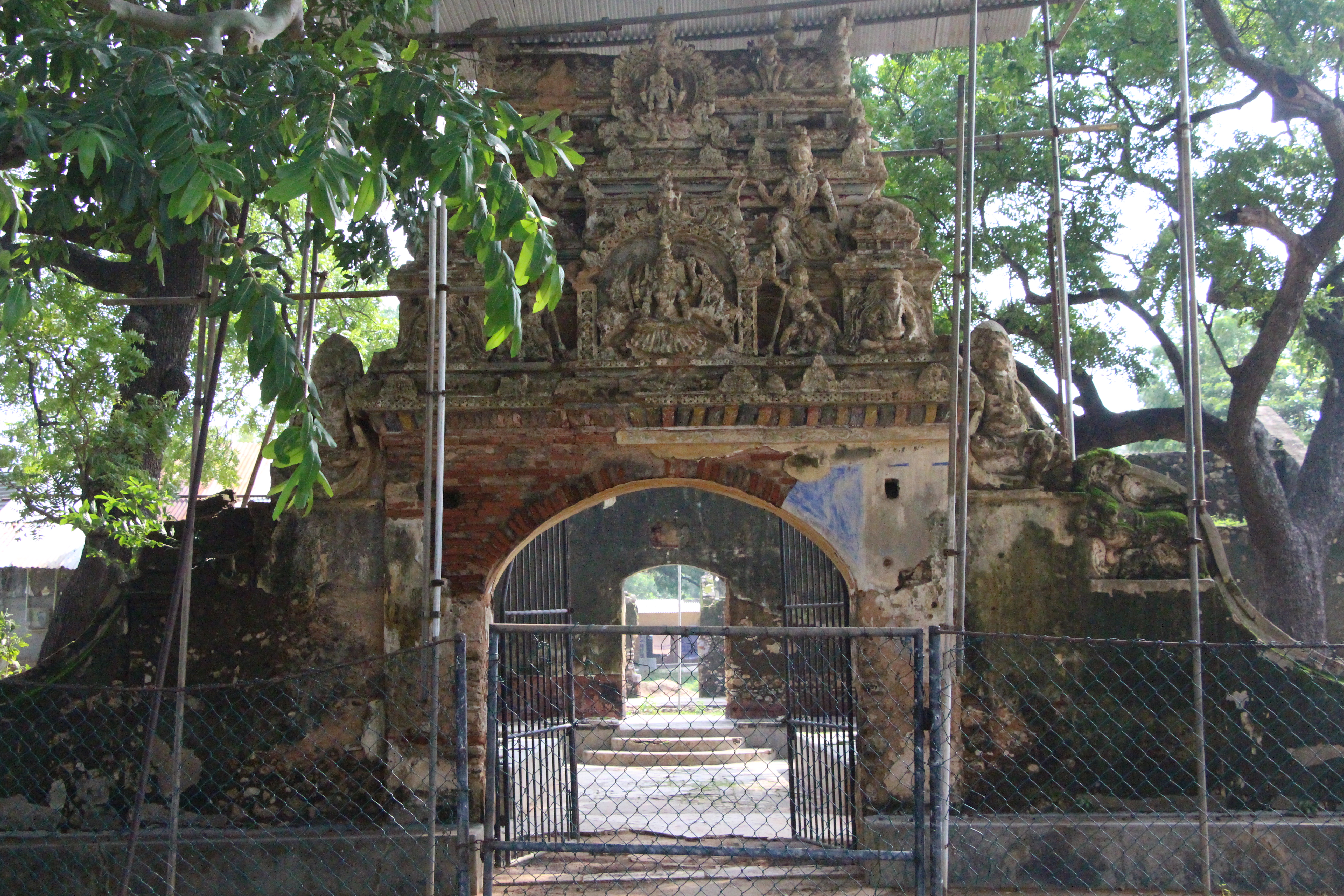
Naguleswaram Temple is a famous Hindu temple, holy, very oldest shrine and situated in Keerimalai. it is the northernmost of the island`s of Siva, venerated by Hindus around the world from classical antiquity. The prime deity of this temple is lord Shiva (naguleswarar). Keeri in Tamil and nagula in Sanskrit mean "mongoose". Keeri-malai in Tamil means "Mongoose-Hill". The legendary sage Nagula Muni, shrunk by age and austerity while meditating at a cave in Keerimalai was likened to mongooses that frequented the area. The sage bathed in the springs and was cured of his mongoose face. In gratitude, Nagula Muni constructed a small shrine and worshipped the Lingam enshrined there. The consecration ceremony of this temple was conducted in June 1895.the annual high festival is conducted in such a manner that the 15th and final day of the festival falls on Maha Sivarathiri day
Sirappar Matam
( Monument/Historical building )
Location : Keerimalai
Matams in Jaffna tradition had been constructed for providing resting facilities to people, traders and devotes, when they used to travel long distance on foot. Among the many madams in Jaffna Shrappar Mattam is such one, is situated near to Keerimalai Junction. It is a monastery and a kind of resting hall for pilgrims in association with Naguleswaram Temple. Vyththilingam monastery is in the west and south. It is architecturally unique among the Saiva monasteries in Sri Lanka.Mr.Katheravelpillai from Manipay had constructed this monastery in 1807. It remains one of our old construction and unique, centuries old and belongs to our heritage line.The four square open yard is situated at the middle of the monastery which extended towards north to south and east to west. Vinayagar temple is in the middle of the Monastery which has many rooms, large halls and structures like long Pial (Thinnai) There take places daily Pooja and reciting Purana regularly. There had been a library consisting useful books and Palm leaf manuscript. There had been accommodation facilities on basis of booking for outsiders and there used to have butter milk in a clay pot to quench visitors thirsty. Arms giving of cooked (Annathanam) rice held daily. People used this hall for taking rest and sharing food after having rituals and bathing for Anthiyaddy ritual (31st memorial days of dead persons). Now , it was damaged by war and is kept as monument.
Keerimalai Kerny(pond)
( Religious place )
Location : Keerimalai
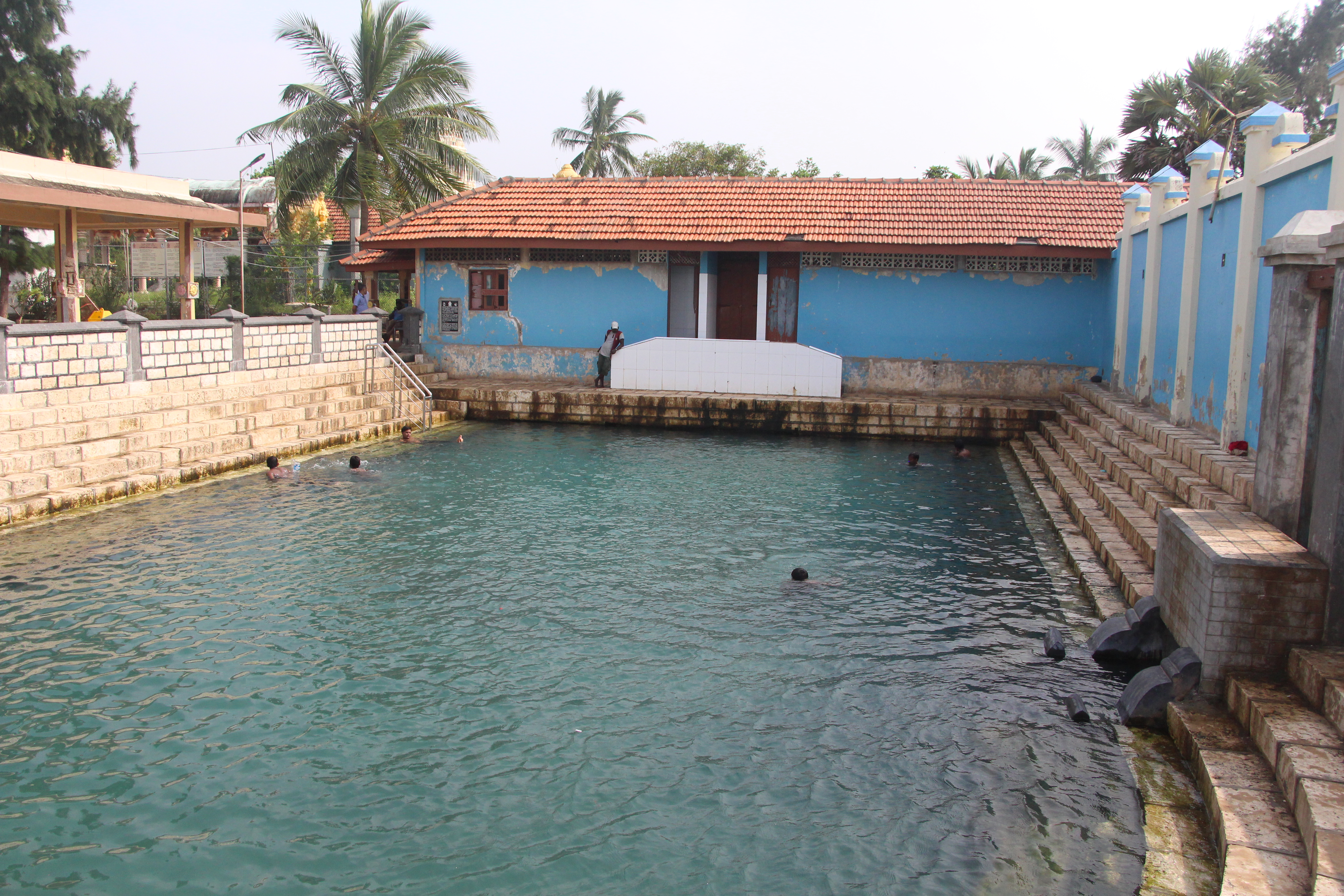
Many freshwater springs are mainly found along the coastal site of Jaffna District. Keermalai is one such springs and it is situated near to famous Naguleswaran Temple in the Keerimalai village. This is Karstic features of Miocene limestone and the groundwater spring which is natural formation where water from underground aquifers emerges into the earth`s surface. It is serving as vital component of hydrological cycle. It is groundwater discharge area. It is believed among the local people that there is connection with Nilawarai well (dolines), According to the Tamil word “keeri” and its Sanskrit equivalent Nagulam mean a mongoose. According the folklore, after bathing in this spring, a sage with mongoose face called Nagulamuni had changed as human face. It is a holy place and believed by Hindus that bathing of the freshwater of these springs can cure the various skin infections. According the Dakshhina kailasa puranam (Religious script) it was a pilgrimage center for south Indian Hindus. Hindus flock in large numbers on Aadi Amaavaasai day which falls during the Tamil month of Aadi, to carry out rituals for their forefathers and bathe in the natural springs in the sea
Senthankulam Beach
( Beach )
Location : Ilavalai
Senthankulam beach is situated in Ilavalai and is full of white sand and free from any coarse rock and has a great extent. It is a pleasant sight to view the Indian Ocean which appears dark blue. The beach is potential area for swimming and other water sports activities, and it is unpolluted beach. The beach is associated with local community. It is a pleasant side for scenic beauty especially for viewing sunset in the evening.

Sambilithurai (Dambakolapatuna)
( Religious place )
Location : Mathagal
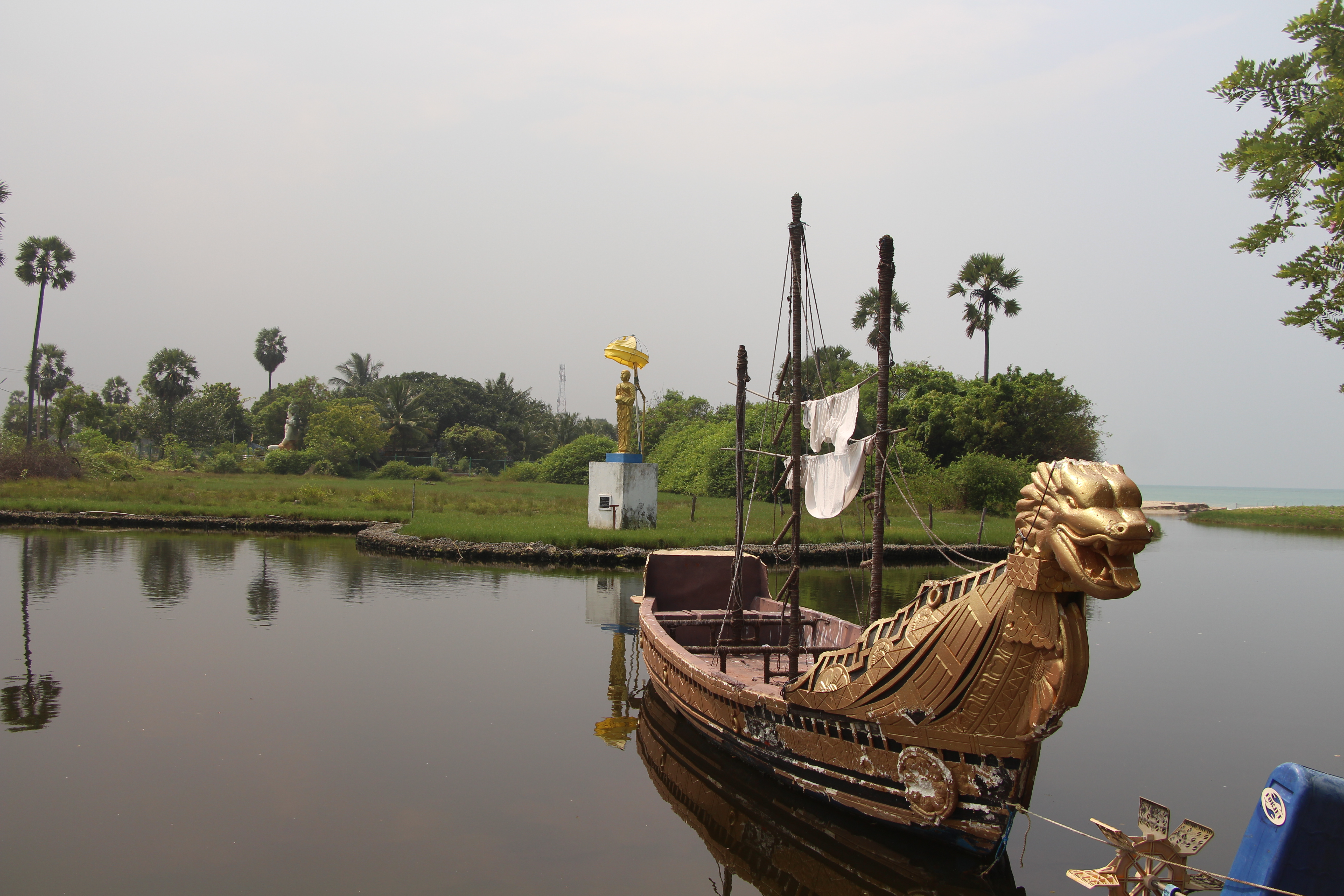
Sambilithurai is a famous port, located in Sambilithurai along the Jaffna Ponnalai Point Pedro Road. In the ancient time, Thevy Sangamitta arrived in Sri Lanka with the Bo-salping of the tree to this port. The temple Samudda-panasala (Jambukola Viharaya) was built commemorating the arrival of the Bo sapling by King Devanampiya Tissa (250-210 BC). Later, the same king planted one of the first eight shoots of the Sri Maha Bodhi, on the same place where he kept the original tree before bringing it to Anuradhapura. A sapling of the Jaya Sri Maha Bodhi in Anuradhapura which is the most sacred trees in Buddhist faith was brought to Dambokola patuna in a grand procession on 9th February 2011.
North Wind water sports center
( Watersports center )
Location : Thiruvadynillai, Mathahal
North wind water sports center is located in Thiruvadynilai, Mathahal, near to Dhambukolapadduna.It is a private center, owned by Palmyrah Resort (pvt)Ltd.This center is providing water sports activities such as wakeboarding, Windsurfing, Flyboarding, Jet Surfing, Kiteboarding, Parasailing, canoeing, kayaking, water biking and boating. It is foremost center which is providing water sports tourism activities. Plamyrah restaurants, Palmyra products sales center are available in the site. They are conducting waters sports tourism in association with Casuarina beach.

Ponnalai Varatharaja Perumal Temple
( Religious place )
Location : Ponnalai
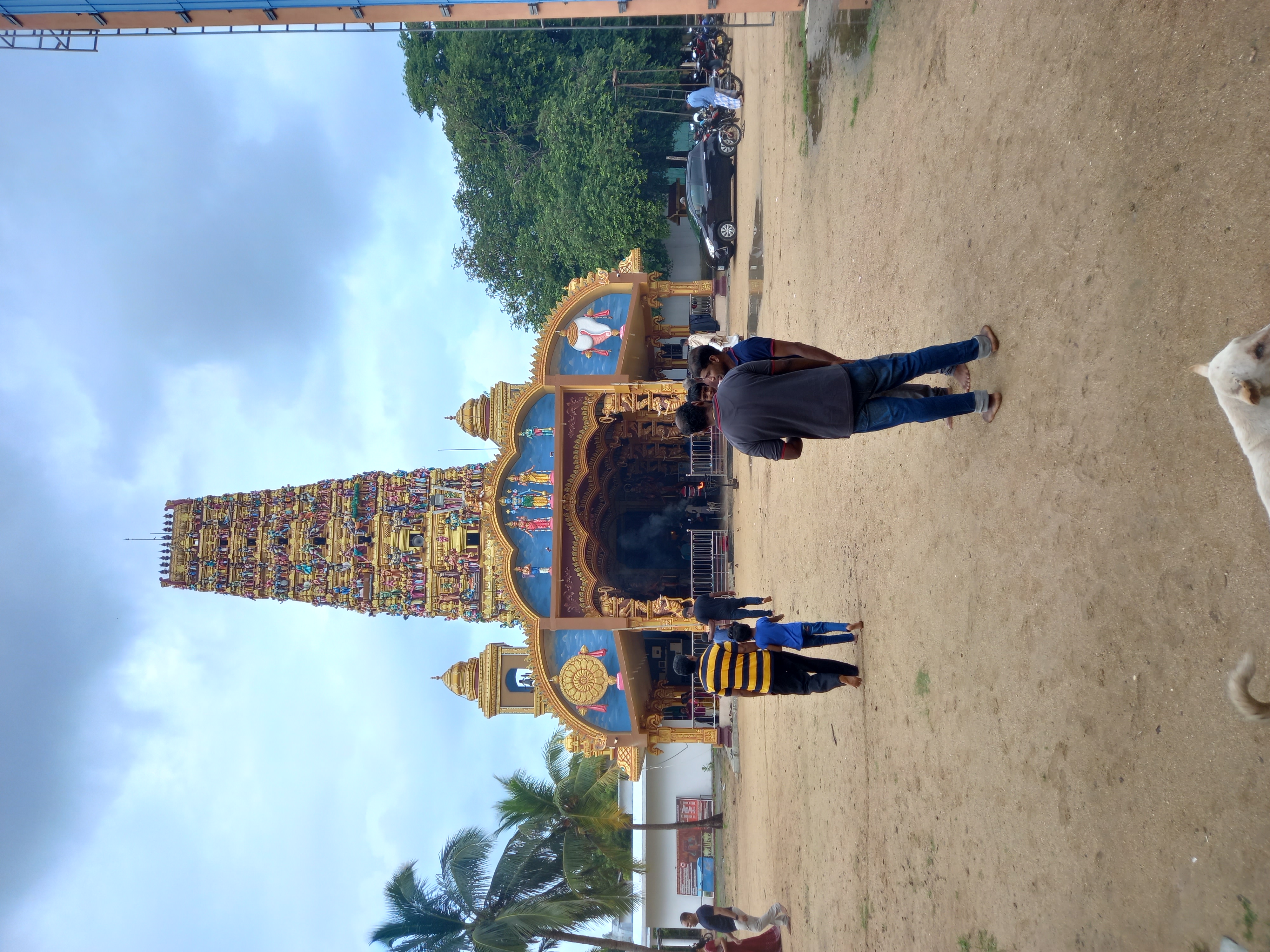
Varatharaja Perumal Temple is one of the ancient & most popular Vishnu temples in Jaffna and it is located at Ponnalai and the prime Hindu deity is Lord Maha Vishnu. It is closer to sea and surrounded with natural environment. This temple has tower in the front (Raja gopuram). Vanni tree is found here, and it is believed to bear some divine significance. Annual festivals are celebrated in different occasions in the year. One is celebrated in August and another high festival is celebrated in the month of December; Car festival falls on on 9th day ‘Krishna Jayanthi day (birth of loard krishna). Special poojas are conducted on Sundays.
Paralai Murugan & Vinayakar Temple
( Religious place )
Location : Chulipuram
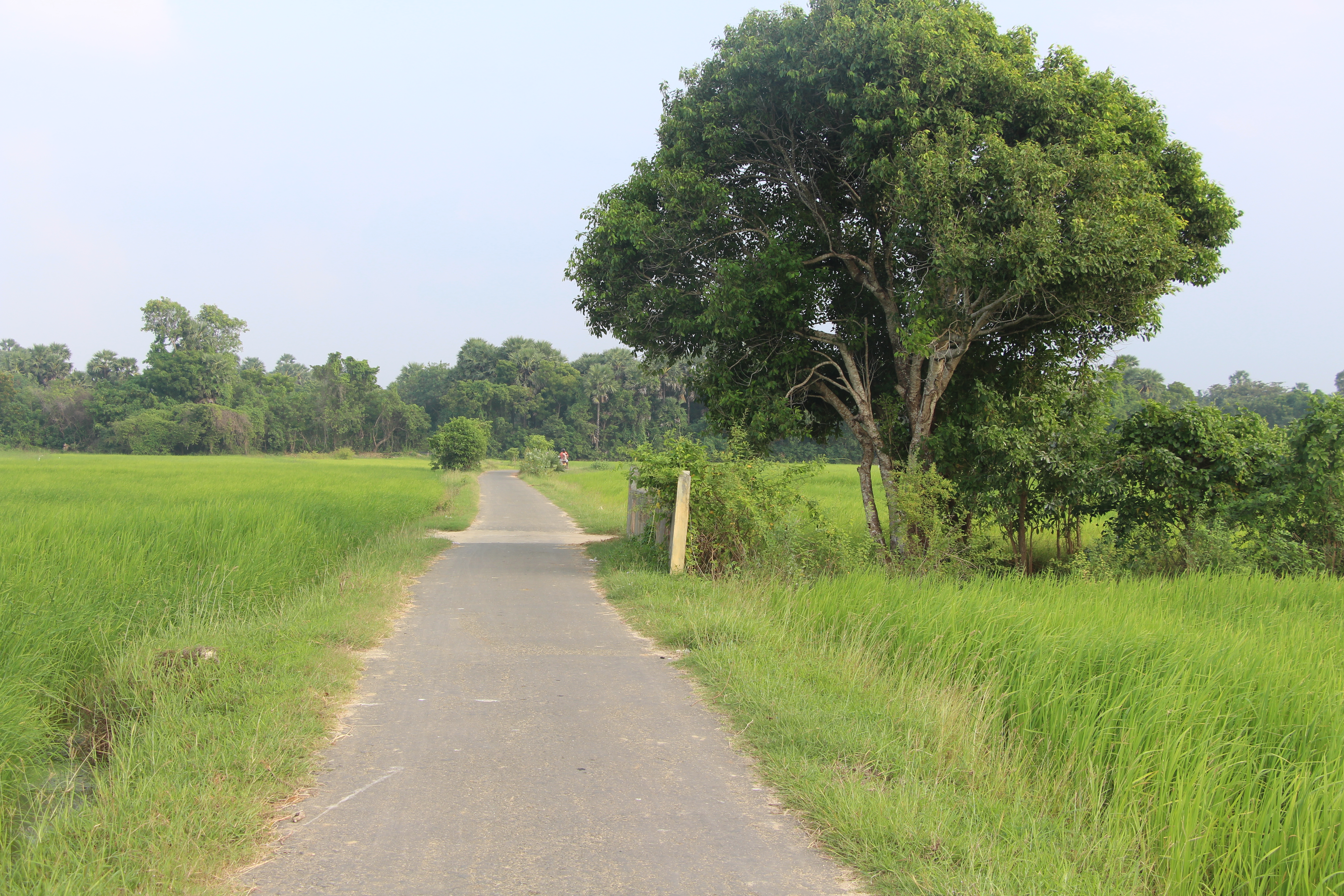
Paralai Murugan & Vinyagar temples are Hindu temples, situated together in the Chulipuram village and lavishly surrounded by paddy fields. The prime deity of the one temple is Lord Ganapathy and other is Lord Murugan. They are situated closed to each other. These two Hindu temples are associated with Sri Lankan Hindu Tamil literature. “Paralai Vinayagar Pallu” it is kind of literature belongs to these temples. The annual high festivals of Pillaiyar temple are held for twelve days ending on uththaram (position of star) during the month of June. The annual high festivals of Murugan temple are held for twelve days during the month of May. These two temples are major sites for watching the performing of Kavaddy dances and other forms of penance in fulfillment of their vows.
Navali Kalaiyodai Kannakai Amman Temple
( Religious place )
Location : Navaly
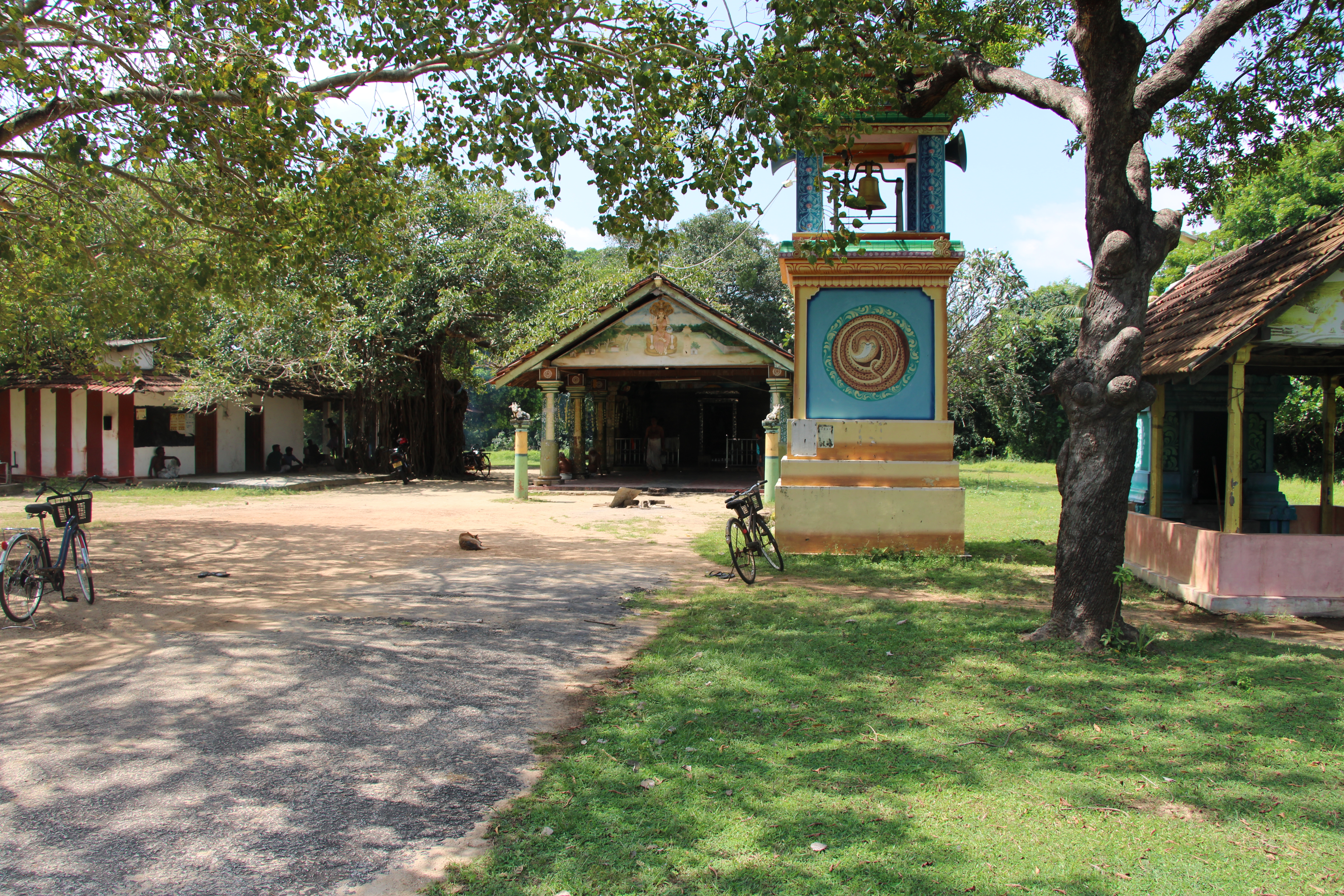
Kalaiyodai Kannakai Amman temple was located at Navaly Sangaraththai Road, Navaly with peaceful environment. After kannakai had burnt Madurai, it is believed that She had sat with tiredness in the place where She came via sea way, as a result, this temple was named as “Kalayodai Kannakai Amman”. This is one or the Paththini (Chastity) Goddess. Worship that takes place from time immemorial among people. Significance of this temple is “Pathatha nachchipitty” where a spring created by the Ambal where it is believed that she appeared as elderly woman, asked him some water to drink and she created. Ambal came and sat the place. The stone with thousand eyes is visible at the “Paththa nachchipitity”. It was located at a delightful environment with greenish field. The temple was constructed near the paththanachchi pitty. There are many temples such as Vinayagar,Murugan and Bairavar and Nagalingeshwarar which differently constructed within this temple premises. Tuesday and Friday are special days for Pooja and special pooja events are taken places in “Thaipoosam”,”Pankunithingal`,”Chithra Paruvam”,”VaikasiVishakam”,”Aadipooram”,”Navarathiri and “Thiruvembavai events.
Rubbing Stone “Aavuranchu kal”
( Monument/Cultural Identity )
Location : Sangaraththai
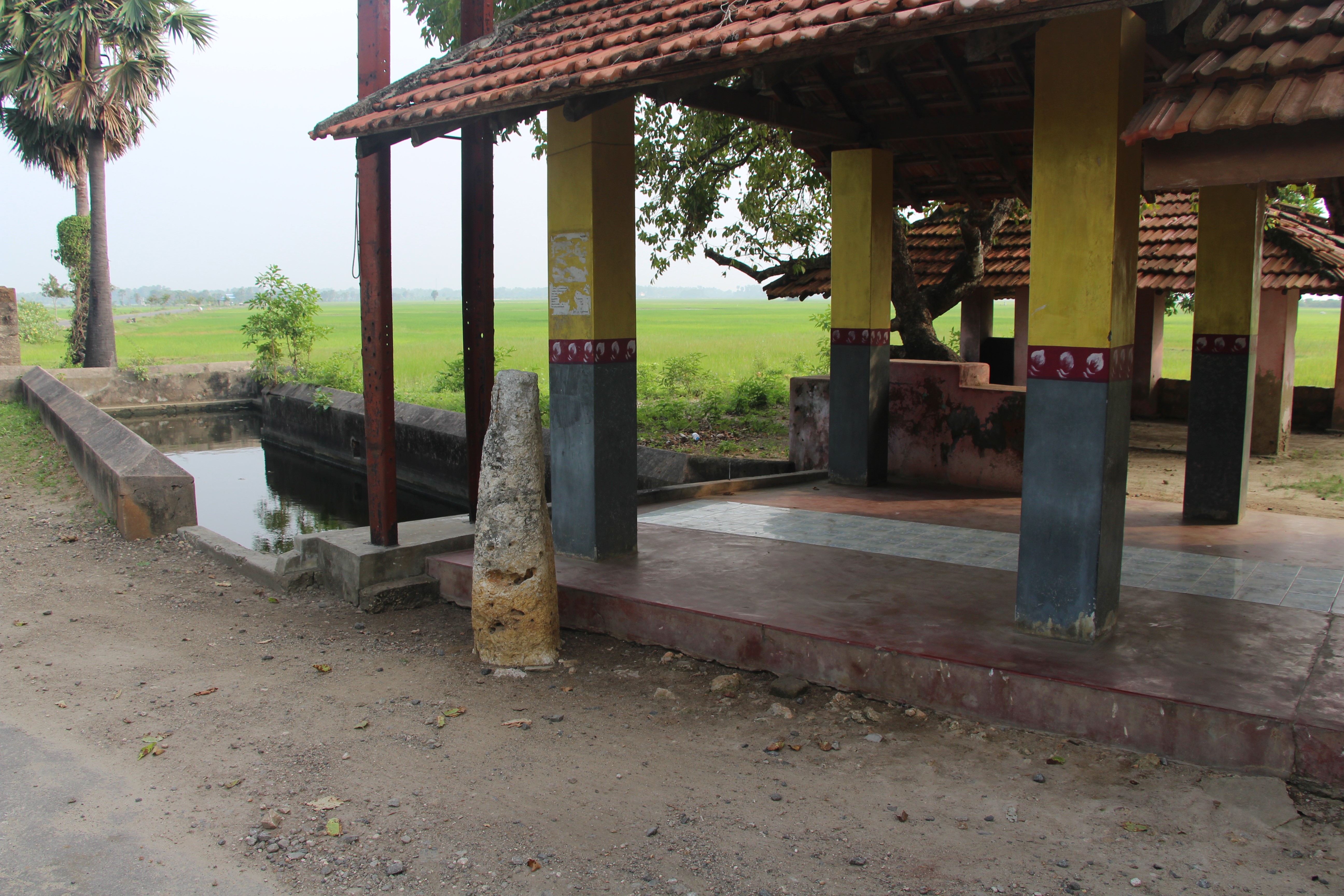
The rubbing stone, called in Tamil as ‘Aavuranchu-kal’ is a limestone piece and in cylindrical shape of about three feet height. It is associated with Sangaraththai Mattam. Generally, it can be seen erected near a resting place or public well area. It is mainly constructed for the cattle to rub their body on it for soothing effects against skin itching. This is referred to as “aavurochi kalo” in Tamil. Cattles when they go to grazing, they drink water and rub their body on this stone and take rest. Commonly it is constructed near a well or public well or pond or temple and associated with largest trees. Cattles take rest after rubbing their body under the trees. These trees creates pleasant environment to Cattles and humans
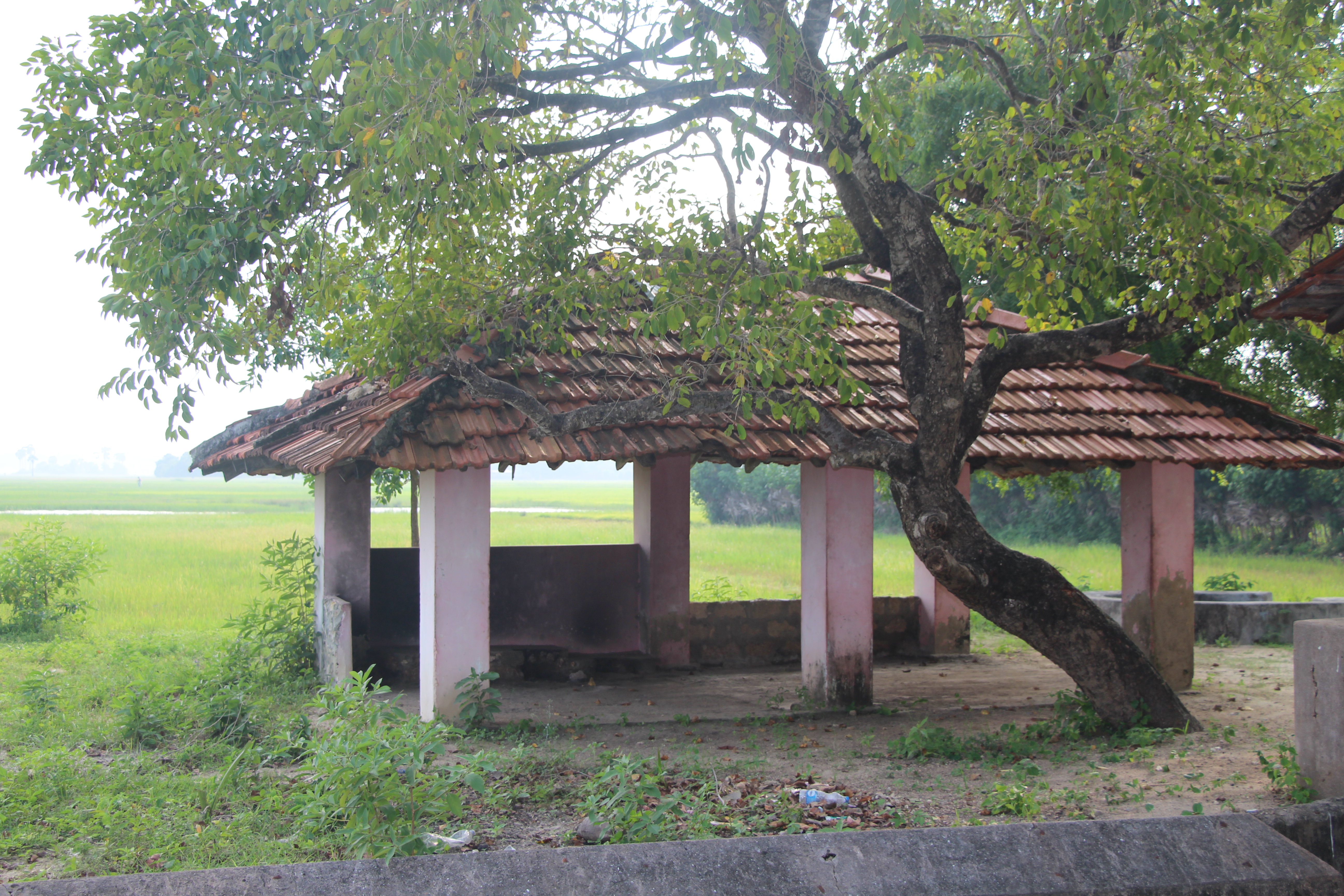
Sangarathi matam (resting place)
( Monument/Cultural Identity )
Location : Sangaraththai
Sangarathai Matam is situated in Sangaraththai, Vaddukoddai. Matam in Tamil tradition is an one of the cultural identity among the Jaffna Tamils since the ancient period. It is one of the resting places. Ordinary people, devotees, traders who travelled long distance on foot or by bullock carts, places needed to take rest from hot or at night and keep their belongings safety, at this juncture, Matam had been constructed. Chumaithanki and rubbing stone, `Aavuranchu-kal` are associated aspects with Matam. It is always constructed along the roads and streets for the people to take rest
Manipay Idikundu Sinkhole
( Manipay )
Location : Manipay
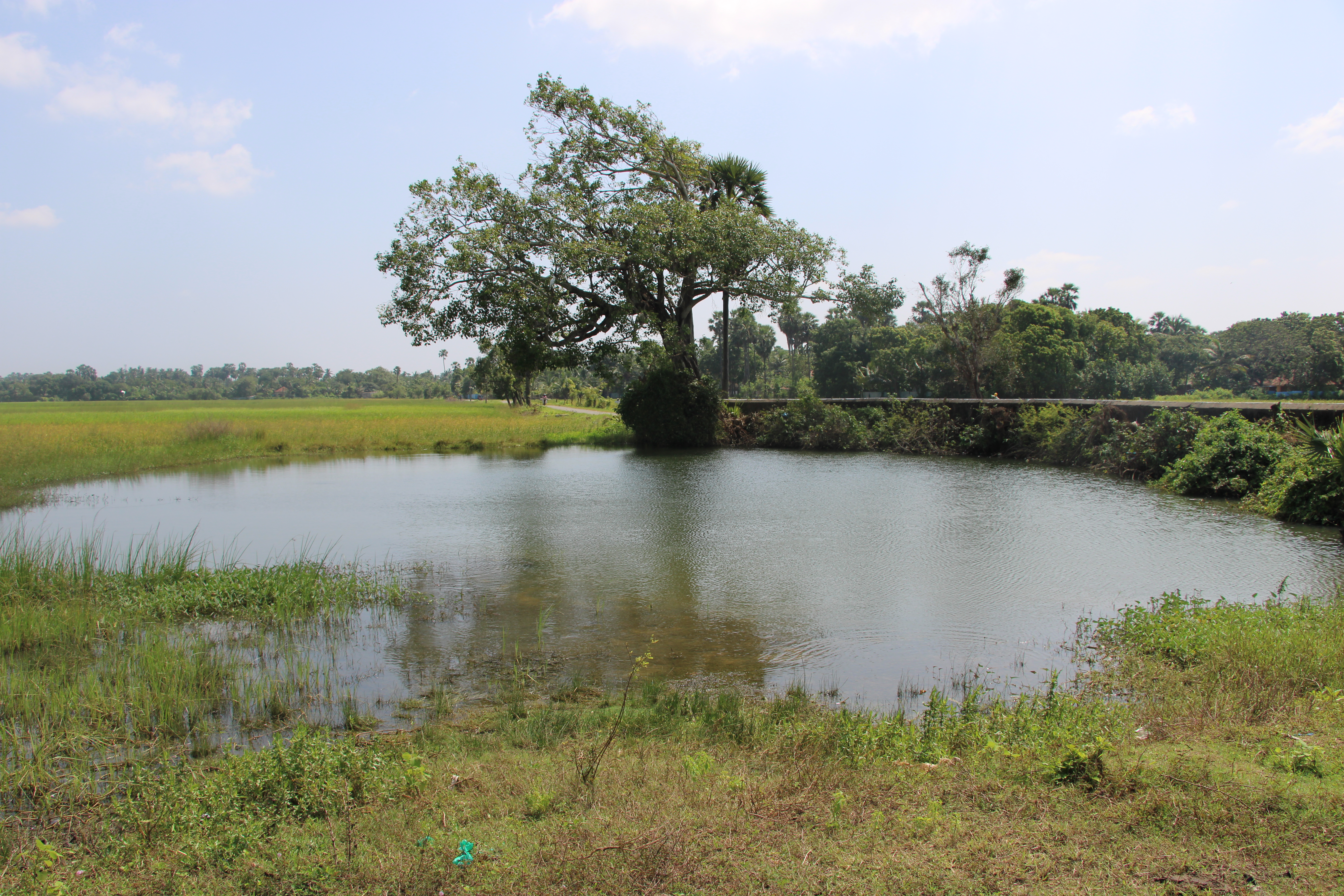
Manippai Idikundu, is considered as a natural wonder, situated in Kaddudai, Manipay.It is sinkhole. Most of the sinkholes are attributed to karst processes - the chemical erosion of carbonate rocks, as well as processes of collapse or suffosion. Chasms typically exhibit a circular shape, ranging in dimensions from tens to hundreds of meters in both diameter and depth, and feature various forms, ranging from soil-lined depressions to chasms fringed by bedrock. Sinkholes are natural depressions or holes in the ground caused by underlying geological processes such as the dissolution of soluble rocks like limestone, dolomite, or gypsum by water. They can also form due to the collapse of underground caverns or solution channels. It is widely believed by the indigenous populace to have been formed by the mighty forces of thunderstorms. This well has a perpetual supply of water, even during the driest seasons. Some of the nearby farmers rely on this water source for their agricultural purposes.
Chankanai Church
( Monument/Historical building )
Location : Chankanai
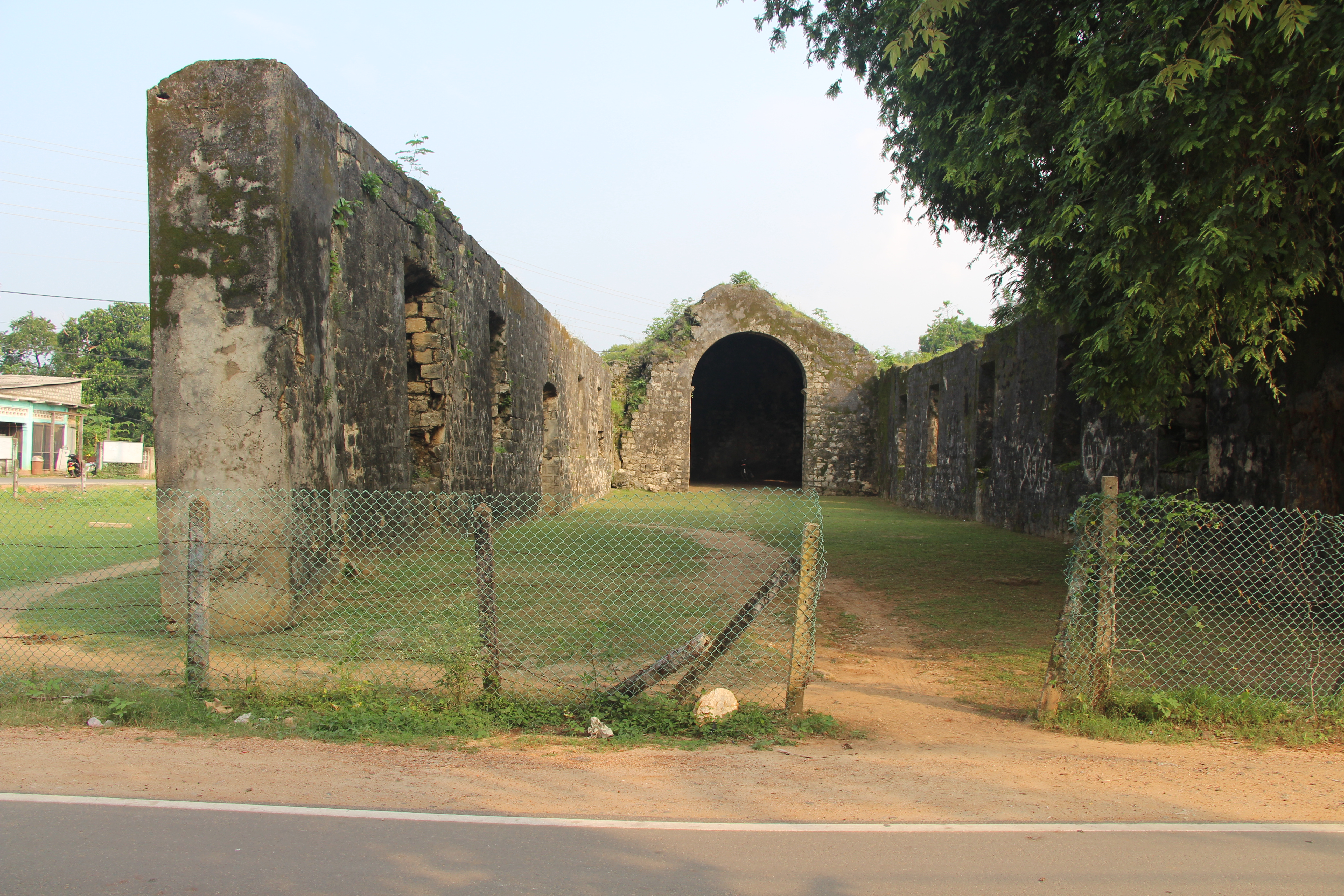
Chankanai church is situated along the Jaffna –Manipay – Karainagar highway near Chankanai town. It is one of the colonial period evidences. Earlier, It was a church, built by Portuguese in 1641 and it was converted and re-decorated in the 17th century. The walls of the fort currently in dilapidated condition stand testimony to the Dutch architectural skills. It was declared as Archeological monument.
Sri Nagapooshani Amman Temple
( Religious place )
Location : Sandilipay
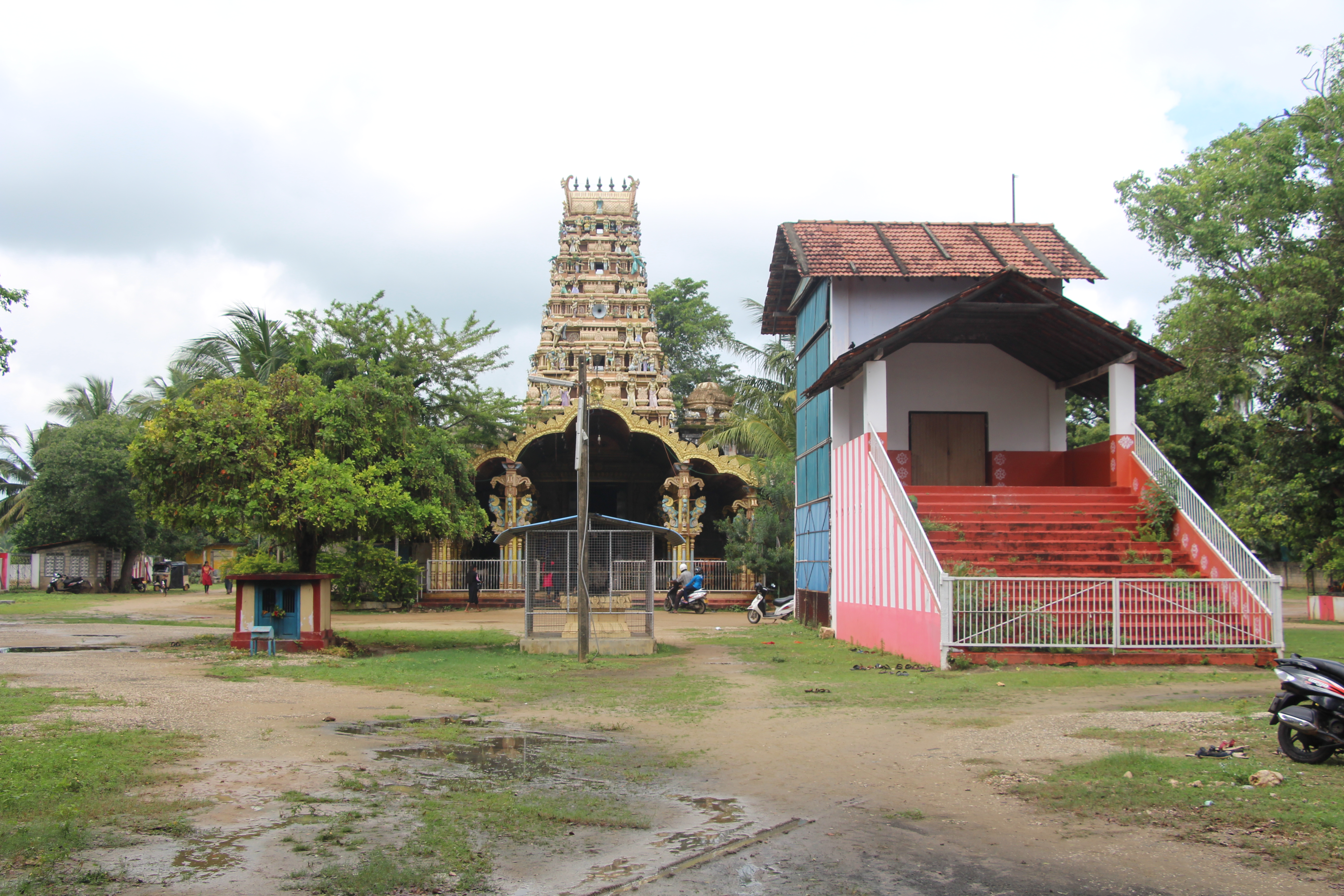
Sandilipay, Seerani Nagapoosani Amman is one of the Hindu temples, located in Sandilipay , along the Jaffna-Manipay-Karainagar Road. The prime deity is Goddess Amman especially Nagapoosani Amman. Prime deity`s symbol is a cobra headed one which is associated with the lives of Hindu people.Goddess chose to adorn herself with a Cobra which had worshipped her, as a jewel on her physical body. It is traditionally believed that among the Tamil Hindus, whoever has suffered “NagaThosam” or other illness, they visit to this temple to recover from such Thosam and illness. The regular pooja begun on the moon day of Hindu month Aadi(July) in 1896 and The Annual High festival is celebrated
Church of American Ceylon Mission, Manipay
( Religious place )
Location : Manipay
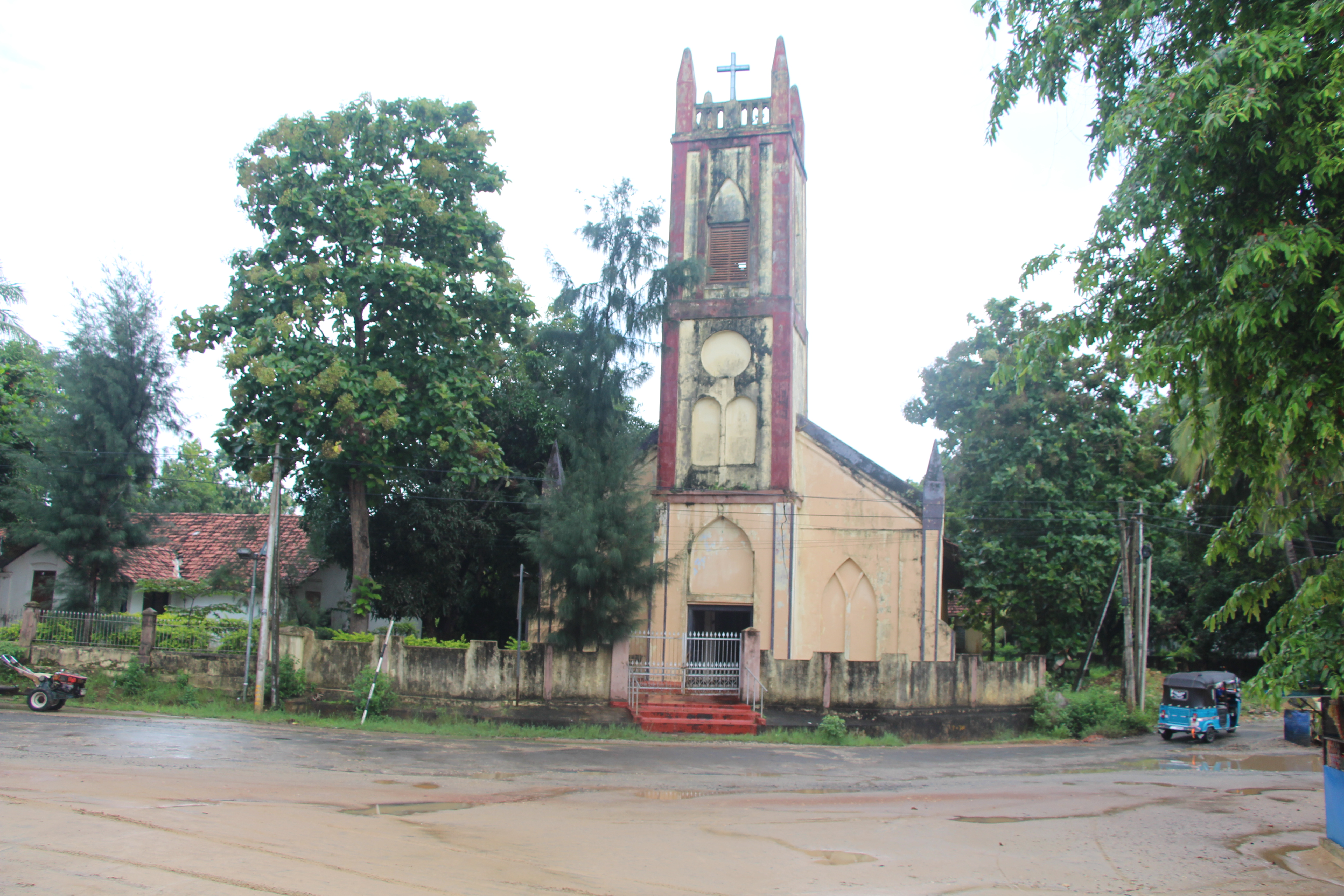
Church of the American Ceylon Mission is a Church located in Manipay near to town. It is one of the 1196 churches in Sri Lanka..Franciscan missionaries built a Catholic Church at Manipay between 1621 and 1626, named after a town in Portugal Lady Do Porto, located in the surrounds of green paddy fields during the seventeenth century. Its frontage was 24` wide and 22` high, and the church 35` in length, built by lime stones. The building included an attached `brick-built-stage` where the Gospel stories were illustrated in drama. Later it was used by the Dutch as a Protestant Reformed Church, and subsequently under the British the building was left unused due to lack of worshipping members! It was later handed over to the American missionaries in 1820. Rev Henry and Mrs Lydia Woodward occupied the repaired Mission House. The tower and spire were later built according to the American architectural tradition. The Church and Mission House might have been repaired from time to time over the next 170 years. In 1987, when Rev J JRatnarajah was appointed at Manipay, he replaced the decaying roof with a new roof, which was to be rededicated at a certain date in 1988. The Church (and the Mission House) was brought to a presentable condition in the last few years. The church celebrated its 175th anniversary in 2005 (1831-2006).
Manipay Maruthady Vinayakar Temple
( Religious place )
Location : Manipay
Maruthaddy Vinayakar temple is one of the most popular Vinayakar temple, situated along the Jaffna Manipay Karainagar Road and near Manipay junction. This temple is called as “Maruthaddy” because of the Arjun trees (Terminalia arjuna) are surrounded near this temple. Before historical period, this place was considered as a holy land for meditation and people and siddhas came here. People of this area had constructed a vinayakar temple and then it was destroyed by Portuguese and Paraniyar period. During the Dutch period, Thiyakagurukkal came from India and worked as priest. During the British period, the land with 7 Larchcham (paddy) for this temple was given by Queen Victoria in 1856 for local people`s worship according to the Likitha act No. 35 passed by her. This land called as “Pillaiyar Thidal”, The survey plan for this land was prepared by Rng. Hentry Pagirey who was working in the Department of Highway. Mr. Kumarasingam from Manipay was appointed as Supervisor for this temple. Anual high festival is celebrated during the April and Car festival is celebrated on April Tami New year day (on April 14 or 15).

 well.JPG)
Pokkanai (Urelu) well- Limestone cave
( Geographically important place )
Location : Urelu
Urellu Pokkanai well which is situated in Urelu village of Kopay Divisional Secretariat. This is limestone karst feature dolines or sinkhole. A sinkhole is a depression or hole in the ground caused by some form of collapse of the surface layer. Its shape is like a corn. The special characteristic of this well is it never dries up in any circumstances. According to the folklore, there are a few stories related to the formation of this well. It was formed after impact of thunder longtime before. Spiritual stories suggest that this sinkhole was formed when the Lord & Hero Rama in Ramayanam story shot his bow on earth as to find any spring to quit his thirsty. It also connects to the sea through underground naturally and passes the excess water to the sea in rainy days. It is used for irrigation purposes.
Kuthiyadi Kulam & Ruins of Sangiliyan Fort
( Historical site )
Location : Kopay
Kuthiyadi Kulam is situated near the Kopay junction and lies on lane of the Point Pedro Road. It is a freshwater tank which is situated in near to Kopay junction. This pond is belonging to Jaffna Kingdom.It is believed that King Sangliyan used to have bath and take safe abode in the tenements adjoining this pond for his security purposes. Jaffna Kings had built small forts outside of Nallur for the defense of Kingdom. Some scholars said that Ruins of Fort are found near this pond acted as sub capital and safety resort. Ruins of Fort are found near this pond. At present, everything has been erased and the place transformed into the place of cultivation.

Nilavarai well – Dolines/ Sinkhole
( Geological feature )
Location : Nilavarai Puththur
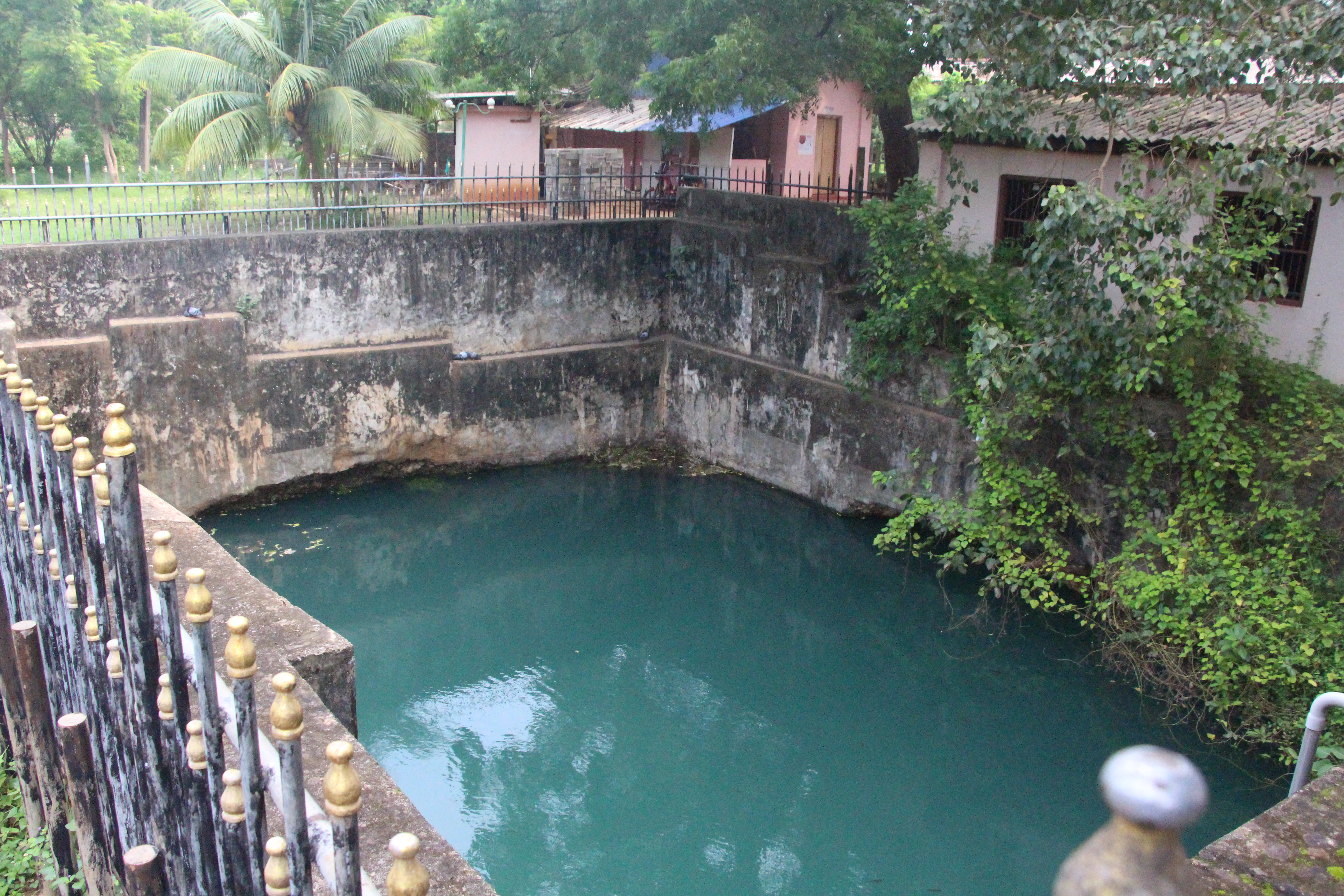
This well is situated in Navatkuri which is near to Puthur. It is formed resulting from the simple forms of closed depression in the Karst landscape. It is formed by solution of carbonate surface resulting from the drainage of water. They resemble various shapes such as dishes, bowls, corns, and cylinders. Nilavarai well is bowl shaped sinkhole. Spiritually, it is believed that it was formed by the Lord & hero Raman in Ramayana story. According to the story, Lord Rama shot his bow on earth as to find any spring to quit his wife Cheeta`s thirsty. It is believed Earlier that it has no bottom, but recently the bottom was identified at the depth of 52.5meters by the divers of Sri Lankan Navy and it was further discovered several tunnels. It connects to the sea through underground naturally and passes the excess water to the sea in rainy days. This well is used by Department of Irrigation for the purposes of providing drinking water for the neighboring areas.
Akkarai Beach
( Beach )
Location : Thondamanaru
Akkarai beach is situated in Thondamanaru which is near Sannithy Murugan Hindu Temple. This is also a white sandy beach, and it is a potential area for swimming. The quality of this beach is clean and tranquil. The land along the shore planted with coconut and palmyrah trees. Thondamanaru Lagoon mouth is associated with this beach. This place is naturally important place, and the bridge offers a panoramic view to enjoy the natural beauty. More local tourists nowadays visit this place regularly with their family members